Vacuum Pumps: How to Choose the Right System for Industrial Performance & Uptime
Vacuum pumps are the unsung workhorses behind modern manufacturing. Whether you’re pulling air out of a sealed environment, supporting pneumatic conveying, powering material handling, or ensuring clean, dependable vacuum in specialty applications, the right vacuum system keeps operations moving, and the wrong one becomes a primary source of downtime, inefficiency, and lost revenue.
In a world where production schedules are tight and uptime is non-negotiable, engineers and facility managers are now more critical than ever about selecting vacuum pumps built for long-term performance. This guide breaks down the fundamentals of vacuum systems, the key specs that matter, and the engineering-level considerations behind choosing a pump that fits your workflow, not just for today, but for the next decade of operation.
What Exactly Is a Vacuum Pump? A Quick Technical Breakdown
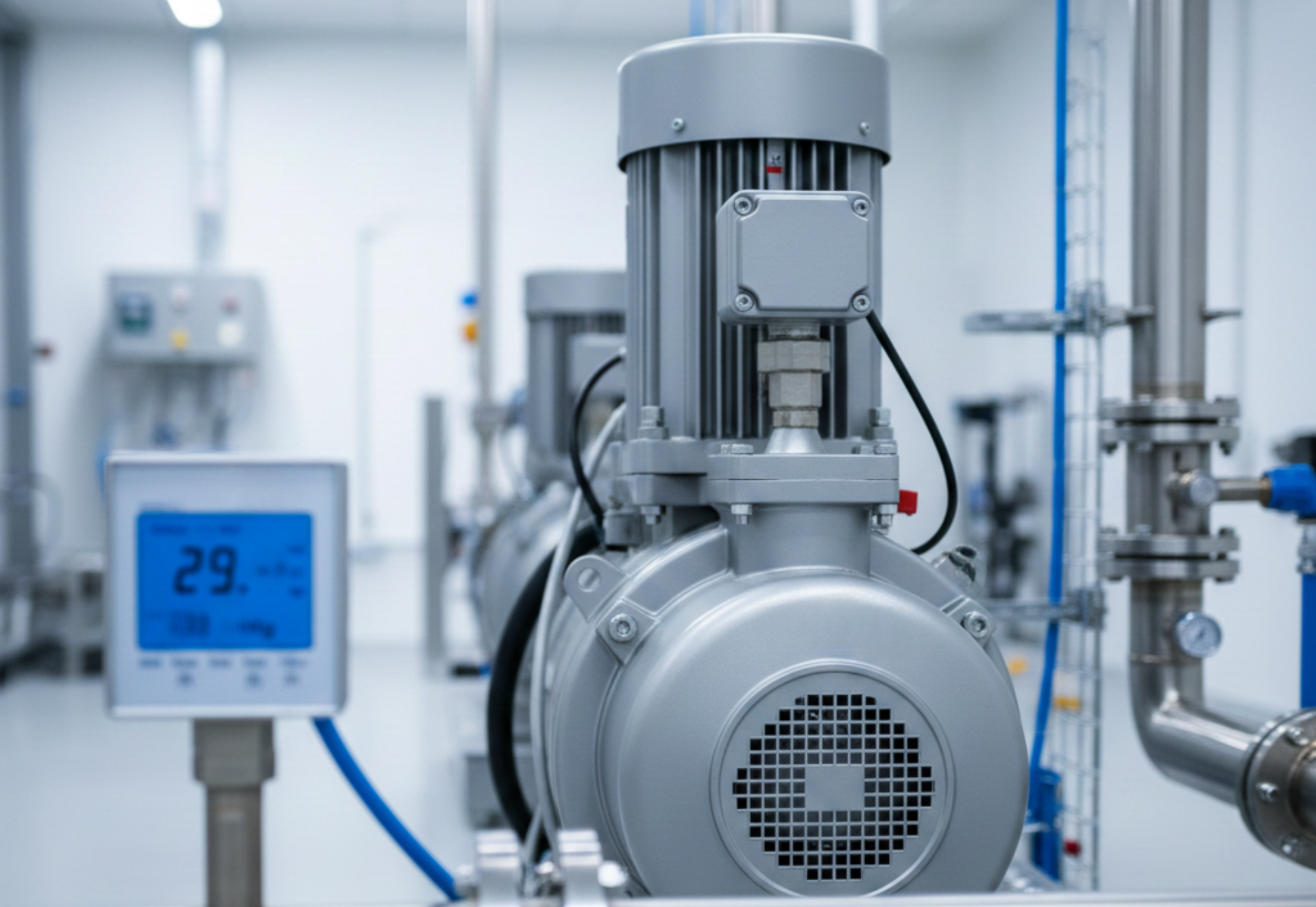
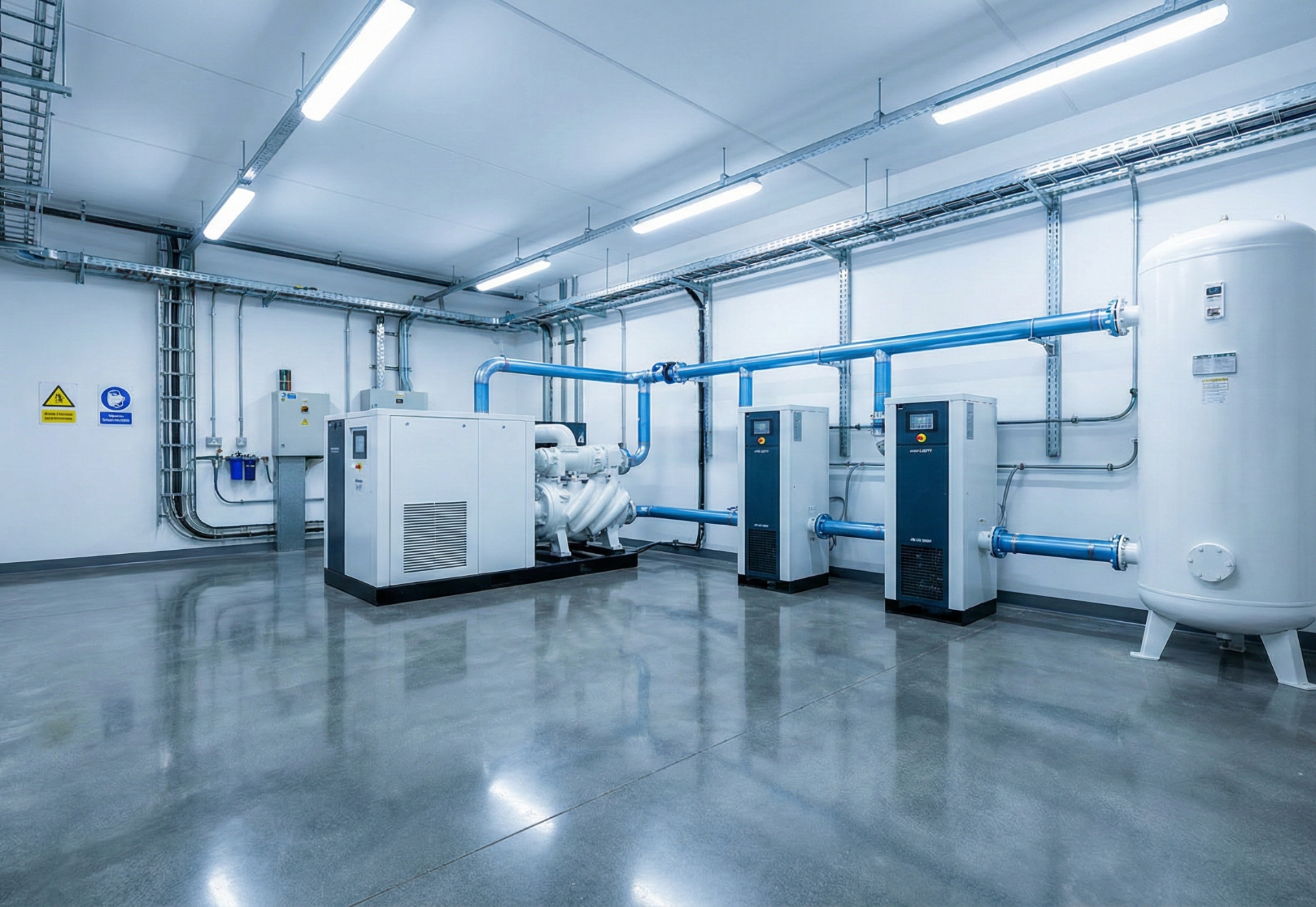
A vacuum pump removes air and gas molecules from a sealed chamber, creating the pressure differential needed to support industrial processes. The level of vacuum required varies dramatically depending on the application; pharmaceutical packaging needs deep vacuum precision, while woodworking clamps and semiconductor processes depend on stability and flow consistency.
The best-performing vacuum pumps share three traits:
- Efficiency: minimal energy loss and low operating costs
- Reliability: fewer failure points and robust construction
- Serviceability: easy access to wear parts and predictable maintenance cycles
For engineers, the “best” pump is rarely the largest or most expensive. It’s the one that aligns with your operational load, environmental demand, and uptime expectations.
Common Types of Industrial Vacuum Pumps (And Where They Excel)
Choosing the right pump starts with knowing the pros and cons of each technology. The four most widely used pump types include:
1. Rotary Vane Vacuum Pumps
Best for: manufacturing, packaging, plastics, CNC, and general industrial use. Rotary vanes offer consistent vacuum levels, long service life, and stable performance. They’re widely used because they’re reliable and easy to maintain.
Pros: high efficiency, compact, cost-effective
Cons: requires oil and regular maintenance
Learn more about rotary vane systems from Becker Pumps.
2. Liquid Ring Vacuum Pumps
Best for: chemical processing, food production, high-moisture environments. Liquid ring pumps excel where gases are wet or contaminated. They tolerate harsh vapors better than oil-lubricated models.
Pros: handles vapor well, low noise, rugged
Cons: lower efficiency, water supply needed
Engineering reference from Graham Corporation.
3. Dry Screw Vacuum Pumps
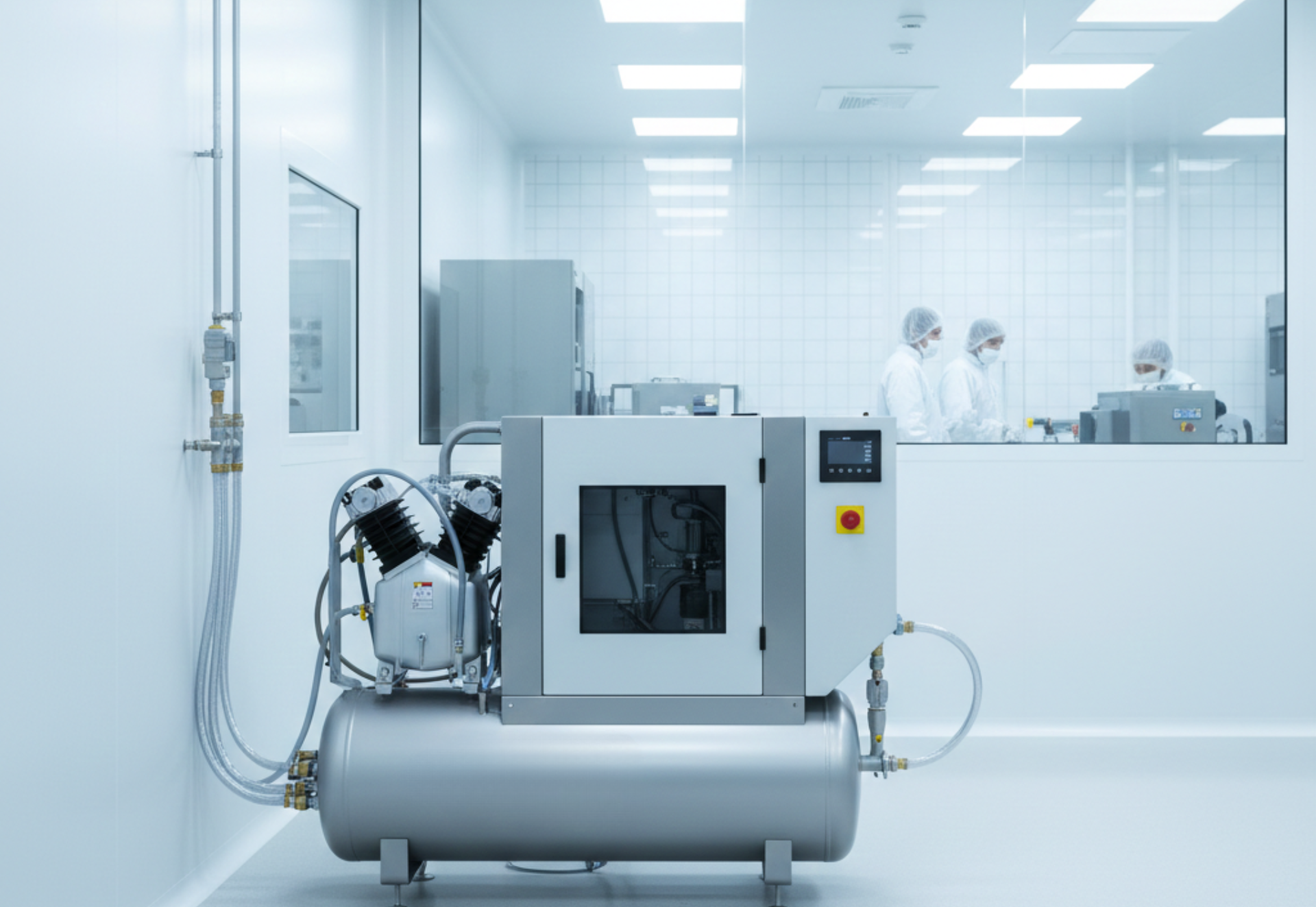
Best for: clean applications, electronics, pharma, sensitive materials. Dry screw pumps operate without oil in the compression chamber, perfect where cleanliness is key.
Pros: oil-free, minimal contamination, long life
Cons: higher upfront cost
Read more via Atlas Copco
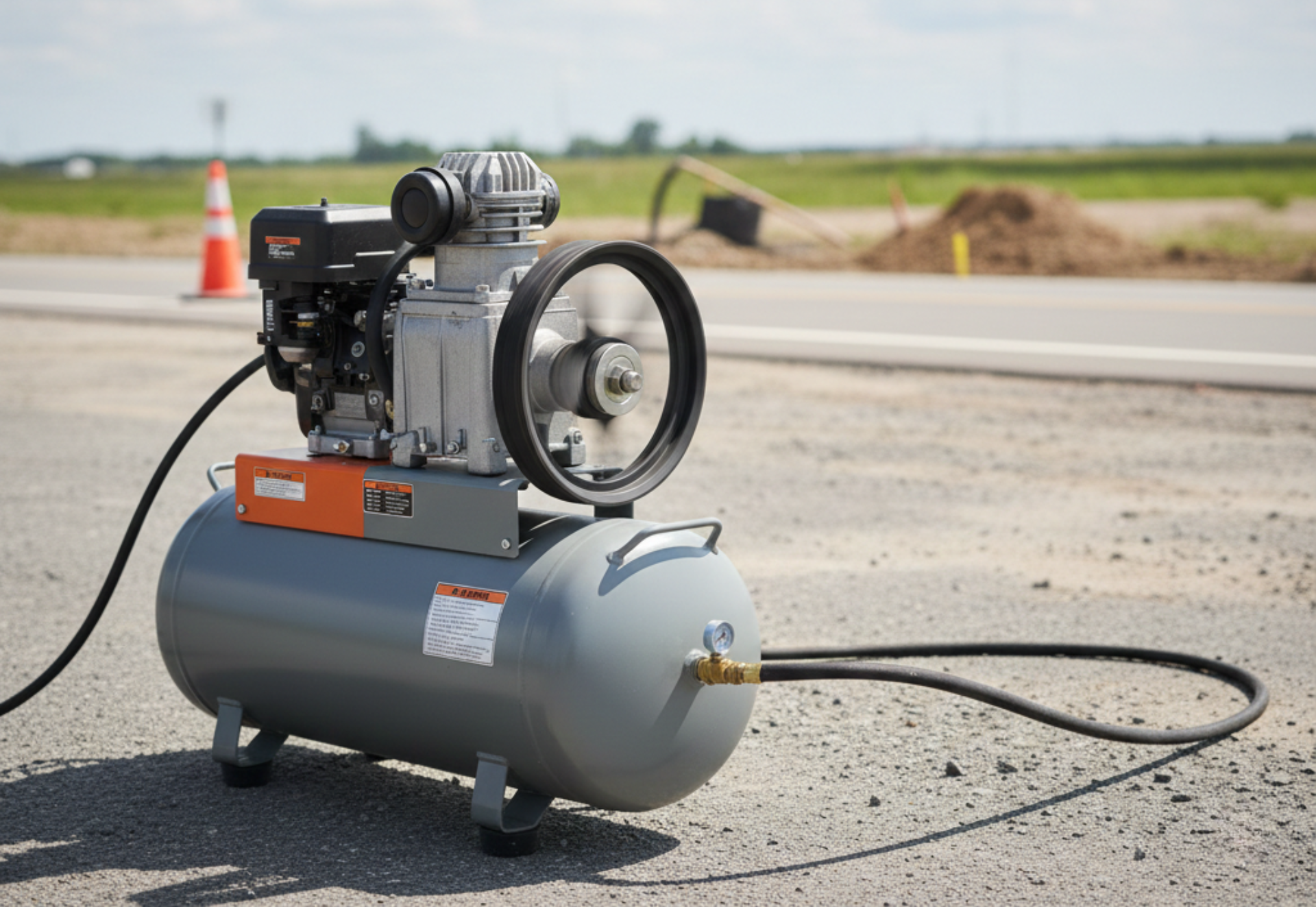
4. Piston (Reciprocating) Vacuum Pumps
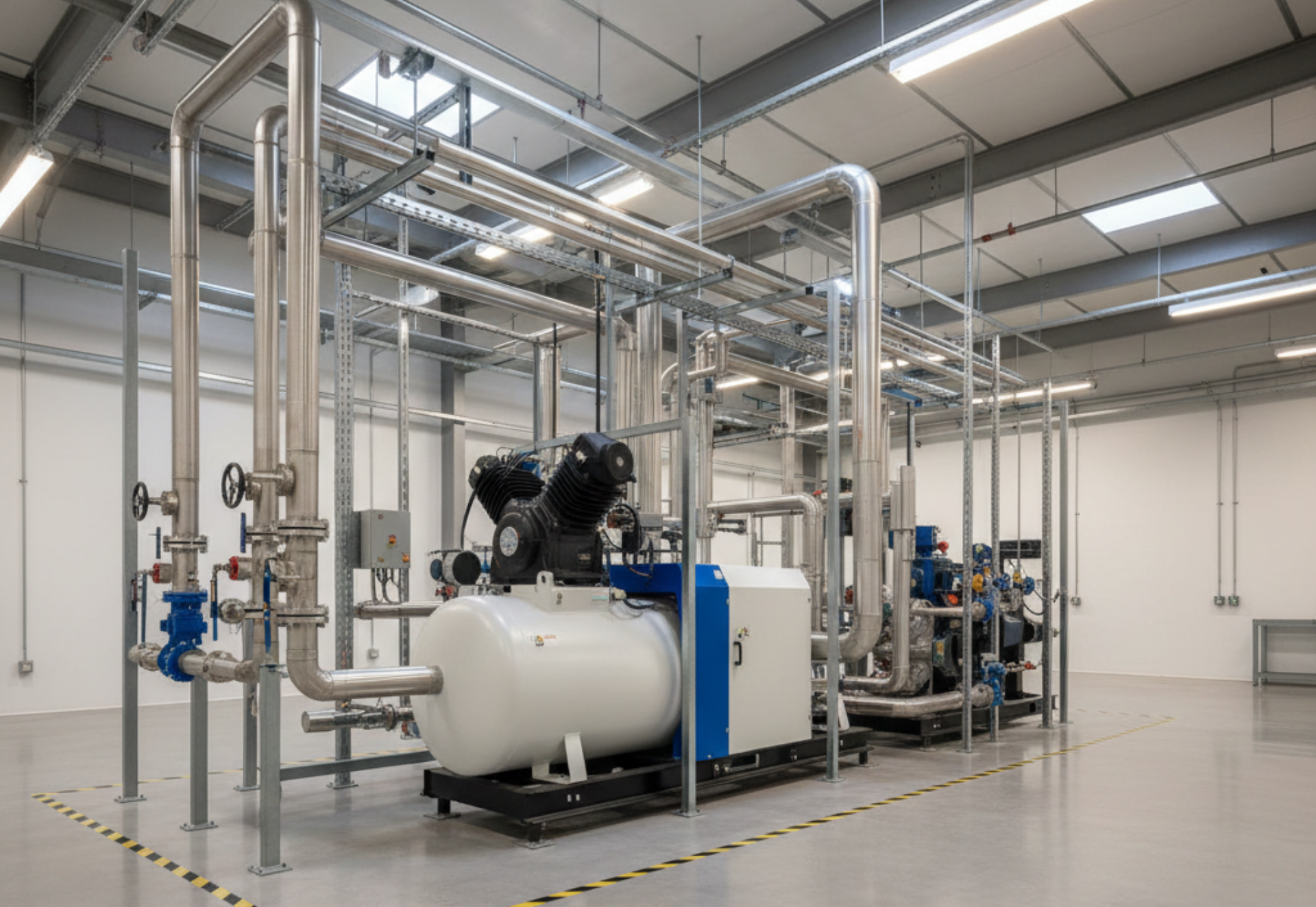
Best for: heavy-duty applications, legacy systems, rugged industrial use
Piston pumps generate high vacuum levels and resist wear, though they’re bulkier and louder.
Pros: strong vacuum power, durable
Cons: vibration, noise, larger footprint
How Vacuum Pumps Impact Uptime and Operational Efficiency
Downtime isn’t just inconvenient; it’s expensive. In continuous operations, a failing vacuum system can shut down entire production lines.
Key performance factors that directly affect uptime include:
1. Flow Rate (CFM)
The higher the flow rate, the faster a pump can evacuate a chamber. Undersizing leads to slow cycles and inconsistent performance.
2. Ultimate Vacuum (Pressure Level)
Different processes require specific vacuums; too low or too high can damage materials or compromise results.
3. Duty Cycle
Some pumps operate best intermittently, while others are designed for continuous 24/7 workloads.
4. Environmental Conditions
Heat, humidity, dust, vapor, and chemical exposure all influence the pump’s life expectancy.
5. Maintenance Requirements
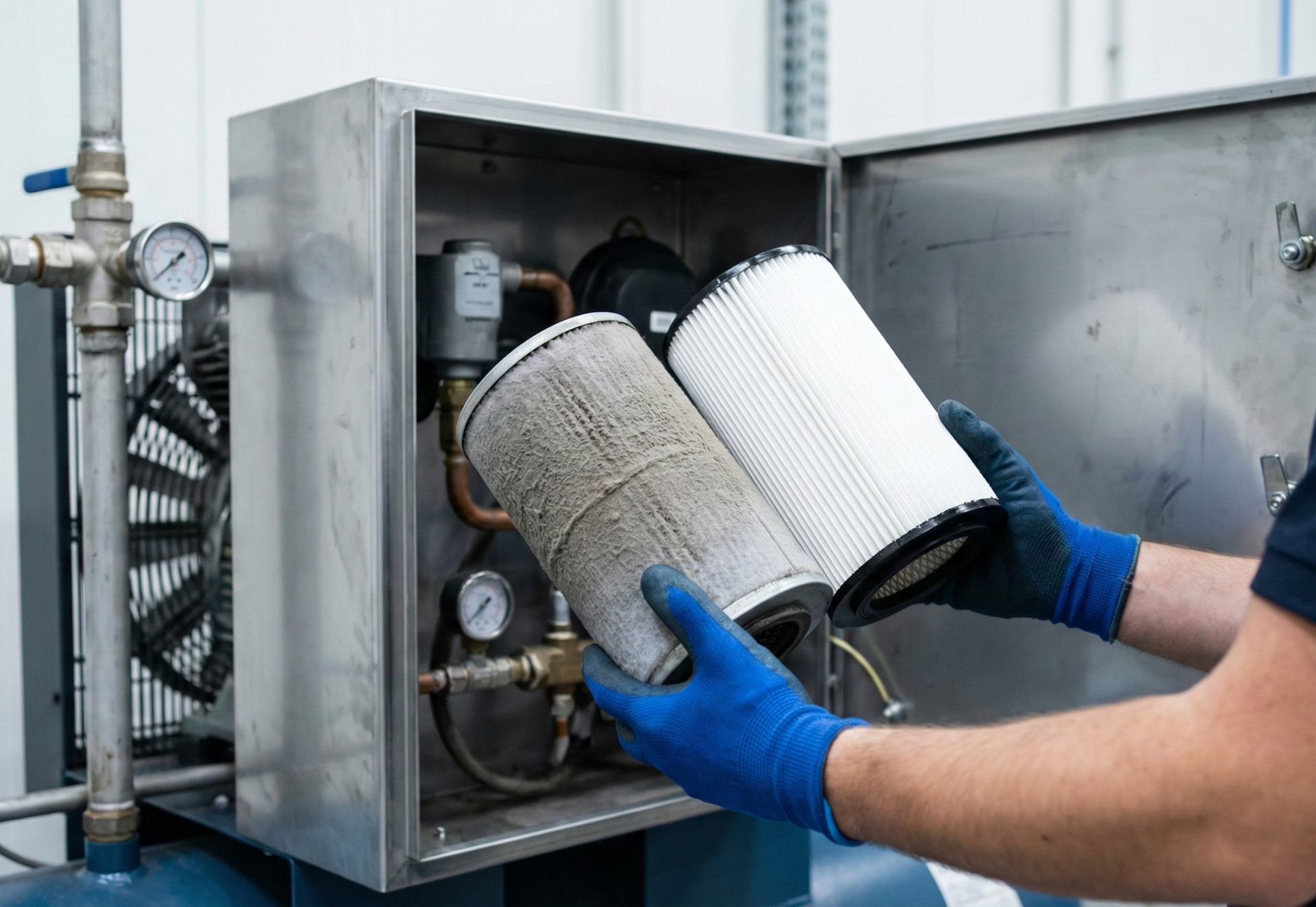
Oil changes, filter replacements, seal checks, and rebuild cycles impact ROI and long-term reliability.
A well-selected pump reduces:
- energy costs
- downtime risk
- maintenance labor
- replacement parts frequency
- production bottlenecks

How to Choose the Right Vacuum Pump: Engineer-Level Decision Criteria
Here’s the framework Industrial Air Services uses when evaluating a pump for your facility:
1. Define the Operational Load
- Required CFM
- Process vacuum level
- Duty cycle (continuous or batch)
- Peak loads and operational variability
A pump should be sized for peak demand, not average demand, to protect against performance collapse.
2. Evaluate the Working Environment
- Are vapors present?
- Is moisture part of the workflow?
- Will the pump run in dusty or high-heat environments?
- Is oil contamination a risk?
For example:
- Woodworking → rotary vane
- Chemical processes → liquid ring
- Semiconductor → dry screw
3. Consider Contamination Risks
If your process requires absolutely clean air (medical, pharmaceutical, electronics), invest in oil-free technology.
If your application is forgiving and the workload is heavy:
Oil-lubricated systems are more cost-effective.
4. Check Maintenance Accessibility
Downtime during repairs matters just as much as downtime during failure.
Look for:
- easily accessible service points
- predictable maintenance cycles
- available replacement parts
- local service support
Industrial Air Services provides OEM-level servicing to extend pump life and ensure peak efficiency.
5. Evaluate Total Cost of Ownership (TCO)
A lower sticker price doesn’t always mean long-term savings. True TCO includes:
- energy consumption
- maintenance frequency
- availability of spare parts
- projected life span
A well-engineered system pays for itself through uptime and efficiency gains, not just purchase price.
Signs You’re Using the Wrong Vacuum Pump
If you notice these symptoms, your system may be mismatched to your application:
- Slow evacuation times
- Rising energy bills
- Excessive heat
- Oil contamination
- Frequent rebuild cycles
- Loud or irregular noise
- Inconsistent vacuum levels
- Moisture inside the pump
Correcting the mismatch improves both performance and budget allocation.
Why Partner With Industrial Air Services?
When uptime is mission-critical, you need a partner who understands engineering constraints, operational goals, and long-term system reliability.
Industrial Air Services offers:
- Industrial-grade vacuum pump solutions from trusted manufacturers
- System design and engineering support
- Routine and emergency maintenance
- OEM parts and accessories
- Energy-efficient upgrades
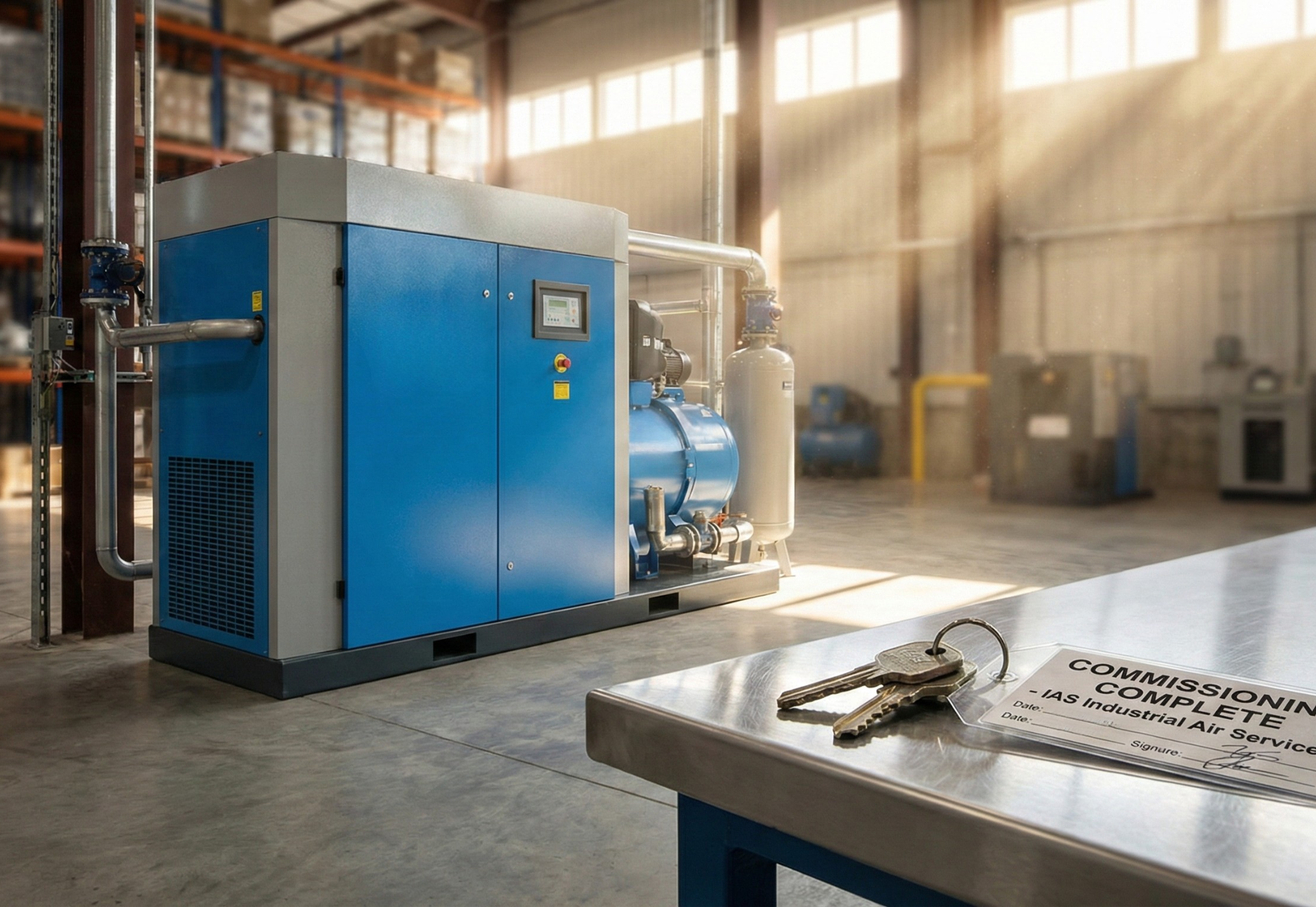
- Turnkey installation and commissioning
Your equipment doesn’t just need to run; it needs to run with precision.
Build a High-Performance Vacuum System With Confidence
Need help choosing the right vacuum pump?
Looking to upgrade an aging system?
Want OEM-certified maintenance to protect uptime?
Visit Industrial Air Services today and request a consultation
Our engineers will assess your application, recommend the optimal system, and ensure your vacuum performance stays reliable for years to come.
FAQs
1. What industries rely most on vacuum pumps?
Vacuum pumps are widely used in manufacturing, packaging, pharmaceuticals, woodworking, automotive, semiconductor production, plastic molding, laboratories, and chemical processing. Each industry requires different vacuum levels and pump types depending on the process.
2. How often should vacuum pumps be serviced?
Most pumps require:
- Oil change every 2–3 months (for oil-lubricated systems)
- Filter replacement every 3–6 months
- Seal and gasket inspection annually
A full rebuild may be needed every 8,000–15,000 operating hours, depending on workload. Industrial Air Services provides preventive maintenance plans to extend pump longevity.
3. What’s the difference between oil-free and oil-lubricated pumps?
Oil-free pumps prevent contamination and are ideal for clean environments like medical, food processing, and electronics. Oil-lubricated pumps offer superior efficiency and durability for heavy-duty industrial workflows. The right choice depends on your process requirements and contamination tolerance.