A10 Compressed Air Systems: What They Are, How They Work, and Who They’re Right For
When a potential customer specifically searches for A10 compressed air, their intent is precise and goes beyond a simple request for a definition. They are not looking to understand the fundamentals of pneumatics; rather, they are performing a final, critical validation of a system choice they have likely been researching for some time. This search is a signal that they are in the final stages of a major procurement decision.
At this advanced stage of the decision-making funnel, the fundamental questions "What is compressed air?" or "How does a basic compressor work?" are irrelevant. Instead, their immediate concerns are highly focused on operational fit, financial viability, and long-term support. The questions dominating their mind are:
- Is this system right for my operation? They need assurance that the A10 system architecture is compatible with their existing plant infrastructure, industry regulations, and specific production demands, such as food-grade purity or high-volume continuous output.
- Will it handle my load reliably? The core concern here is uptime and performance. They are looking for proof, through specifications, case studies, or guarantees, that the A10 system can meet or exceed their peak and average flow requirements (CFM/m³/hr) without suffering catastrophic failure, excessive pressure drops, or constant maintenance demands.
- Who can install and support it long-term? An A10 system represents a significant capital investment. They require a trusted, local partner capable of professional installation, rapid-response emergency service, routine preventative maintenance, and long-term parts stocking to minimize the Total Cost of Ownership (TCO) and maximize the life expectancy of the equipment.
At
Industrial Air Services (IAS), we exclusively partner with facilities across Texas, from petrochemical plants in Houston to advanced manufacturing facilities in San Antonio and Austin, that already operate with a sophisticated understanding of their needs. They recognize that compressed air is not an afterthought or a "set it and forget it" commodity; it is a mission-critical
production utility.
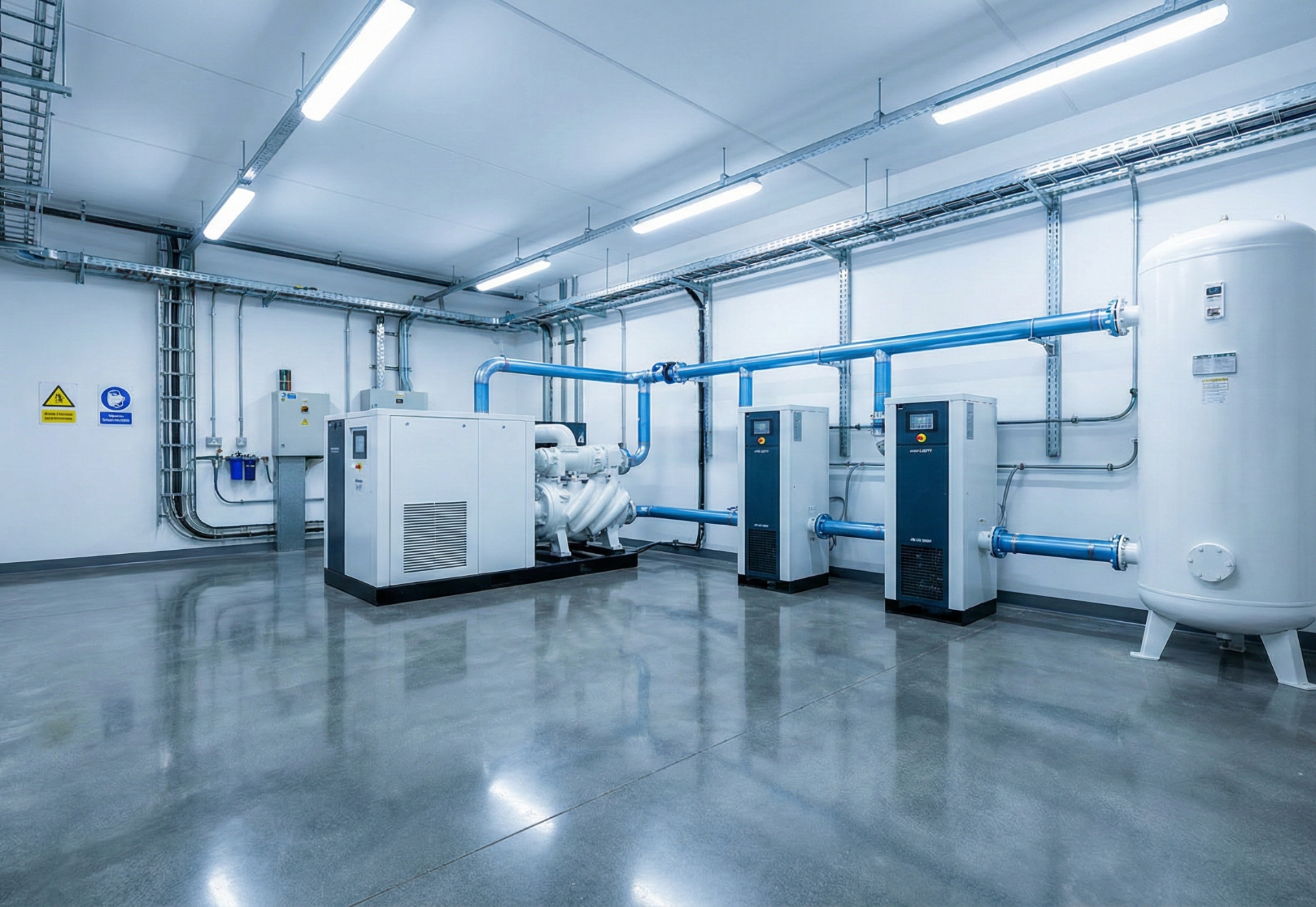
A10 compressed air systems are not chosen merely to fill a space. They are typically considered for industrial environments where the following non-negotiable factors take precedence over simply finding the lowest initial sticker price:
- System Reliability and Redundancy: These systems are engineered for minimal downtime, often incorporating redundant components, advanced diagnostics, and robust build quality necessary for 24/7 operations.
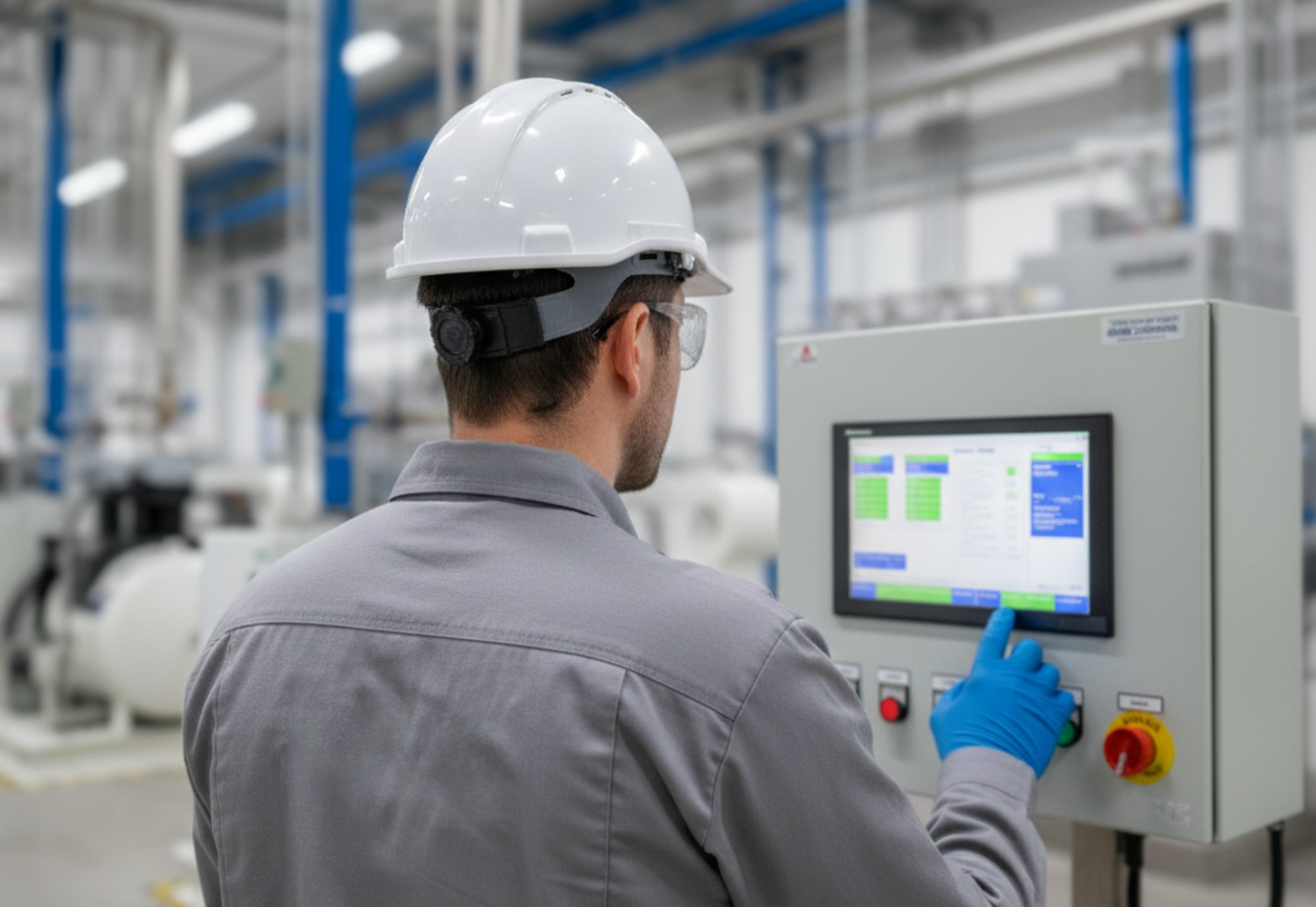
- Seamless Integration and Control: A10 systems offer sophisticated control interfaces that allow for seamless integration with existing plant-wide SCADA or Building Management Systems (BMS), optimizing air production across multiple compressors for maximum efficiency.
- Measurable System Efficiency: The A10 designation frequently corresponds to systems that prioritize energy efficiency (kWh/100 CFM). In large-scale industrial operations, where compressed air can account for 20-30% of total plant energy consumption, a more efficient system translates directly into hundreds of thousands of dollars in annual savings.
This comprehensive guide is designed to move beyond the superficial. It breaks down precisely what constitutes an A10 compressed air system, examines how these complex units function under the pressures of real-world industrial environments, and provides the critical operational and financial context necessary to determine exactly when they represent the only sensible, long-term solution for high-stakes production needs.
What Is an A10 Compressed Air System?
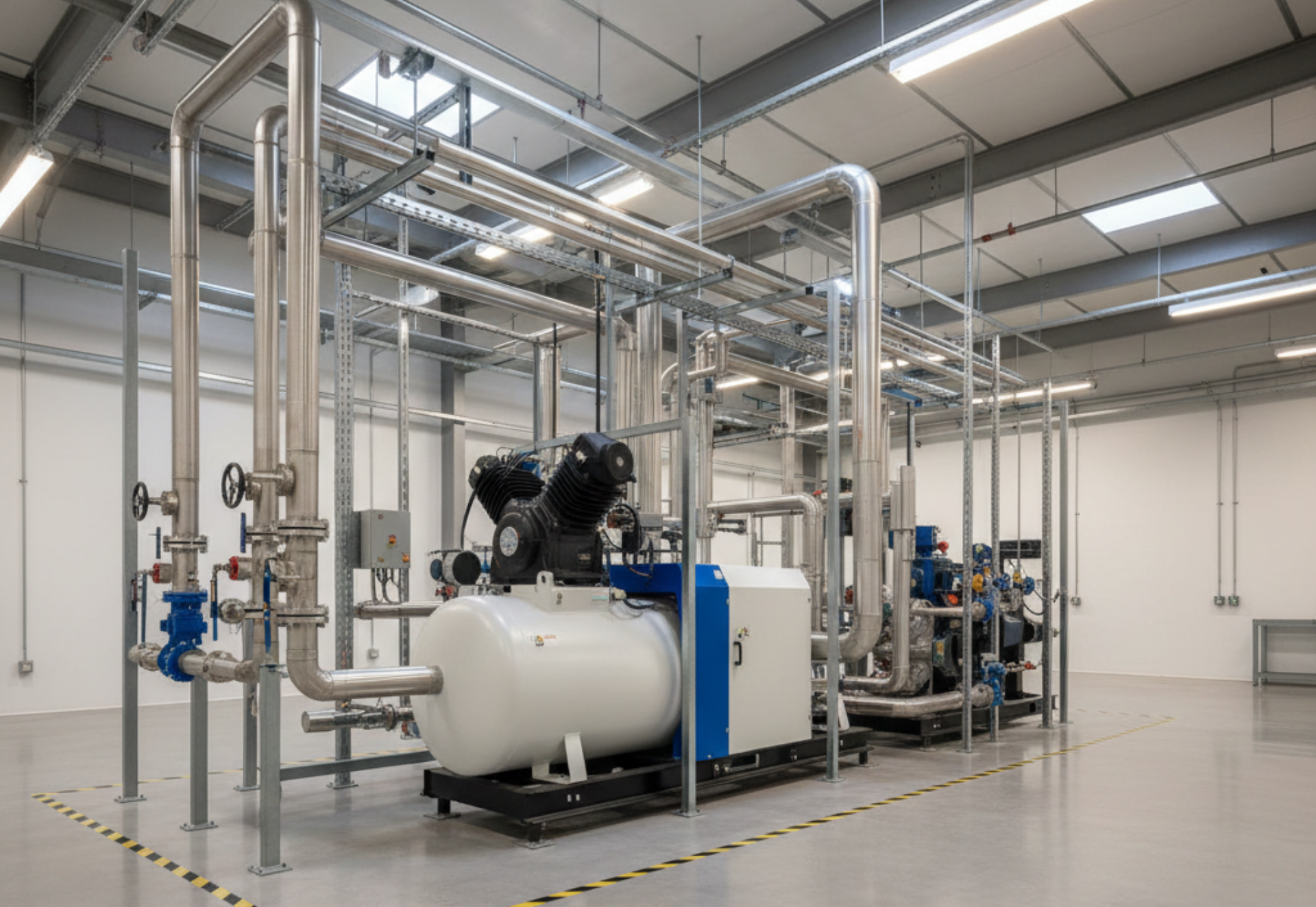
An A10 compressed air system generally refers to a packaged, industrial-grade compressed air solution designed for continuous-duty environments. Rather than a standalone compressor dropped into a corner, A10 systems are typically engineered as part of a broader air system, compressor, controls, and integration working together.
In practical terms, A10 compressed air systems are selected for:
- Stable, high-demand airflow
- Predictable pressure control
- Industrial reliability
- Compatibility with modern controls and monitoring
They’re commonly used in operations where air demand is steady, production is sensitive to pressure fluctuations, and downtime isn’t tolerated.
Why System Design Matters More Than the Name
One of the biggest misconceptions in compressed air is focusing on the unit instead of the system.
A compressor, A10 or otherwise, can only perform as well as:
- The airflow demand calculation
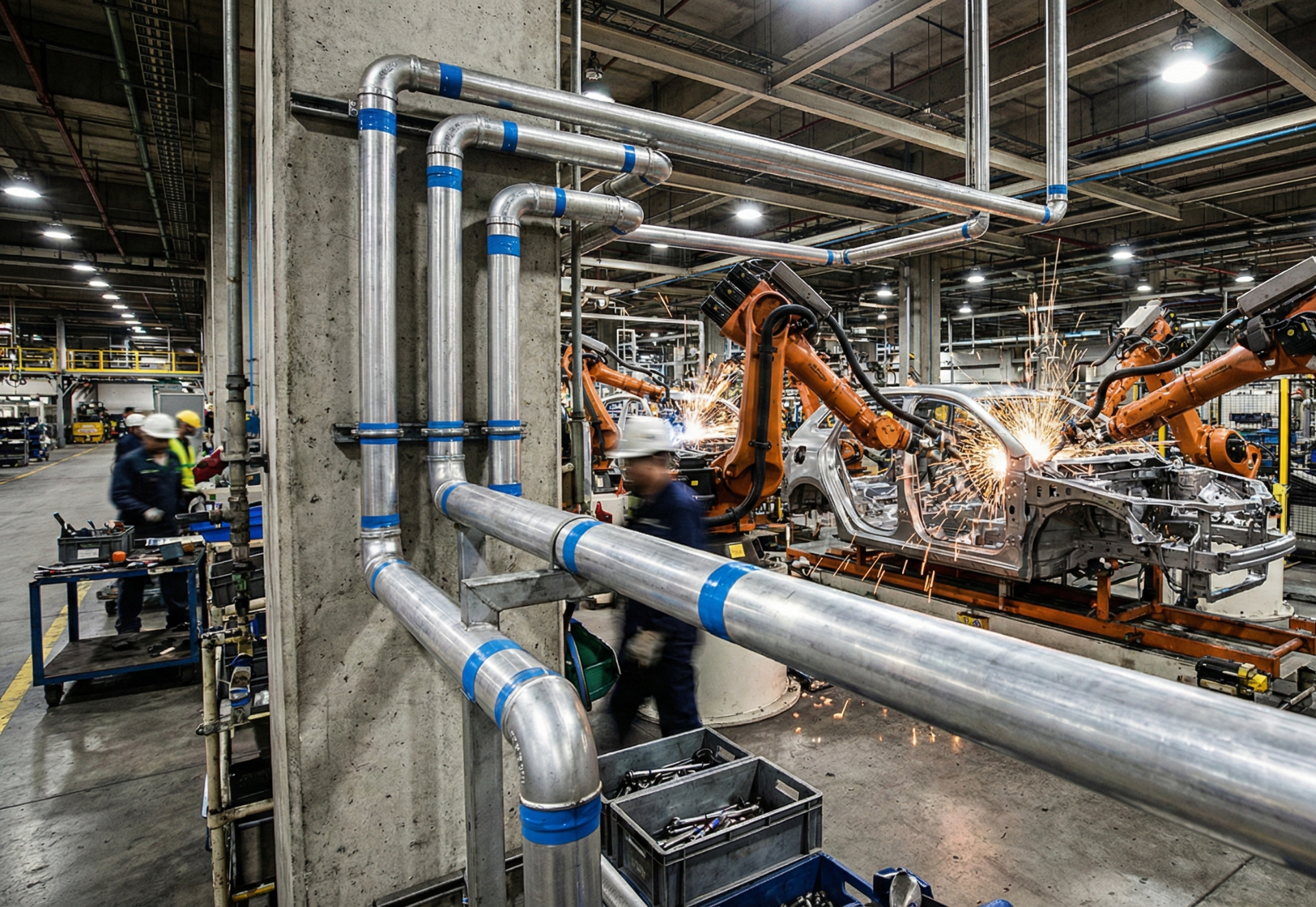
- The piping layout
- The electrical supply
- The cooling and ventilation strategy
- The maintenance plan behind it
According to guidance from the U.S. Department of Energy, poor compressed air system design is a major driver of wasted energy and premature equipment wear, often exceeding losses caused by the compressor itself.
IAS approaches A10 systems as engineered solutions, not catalog items.
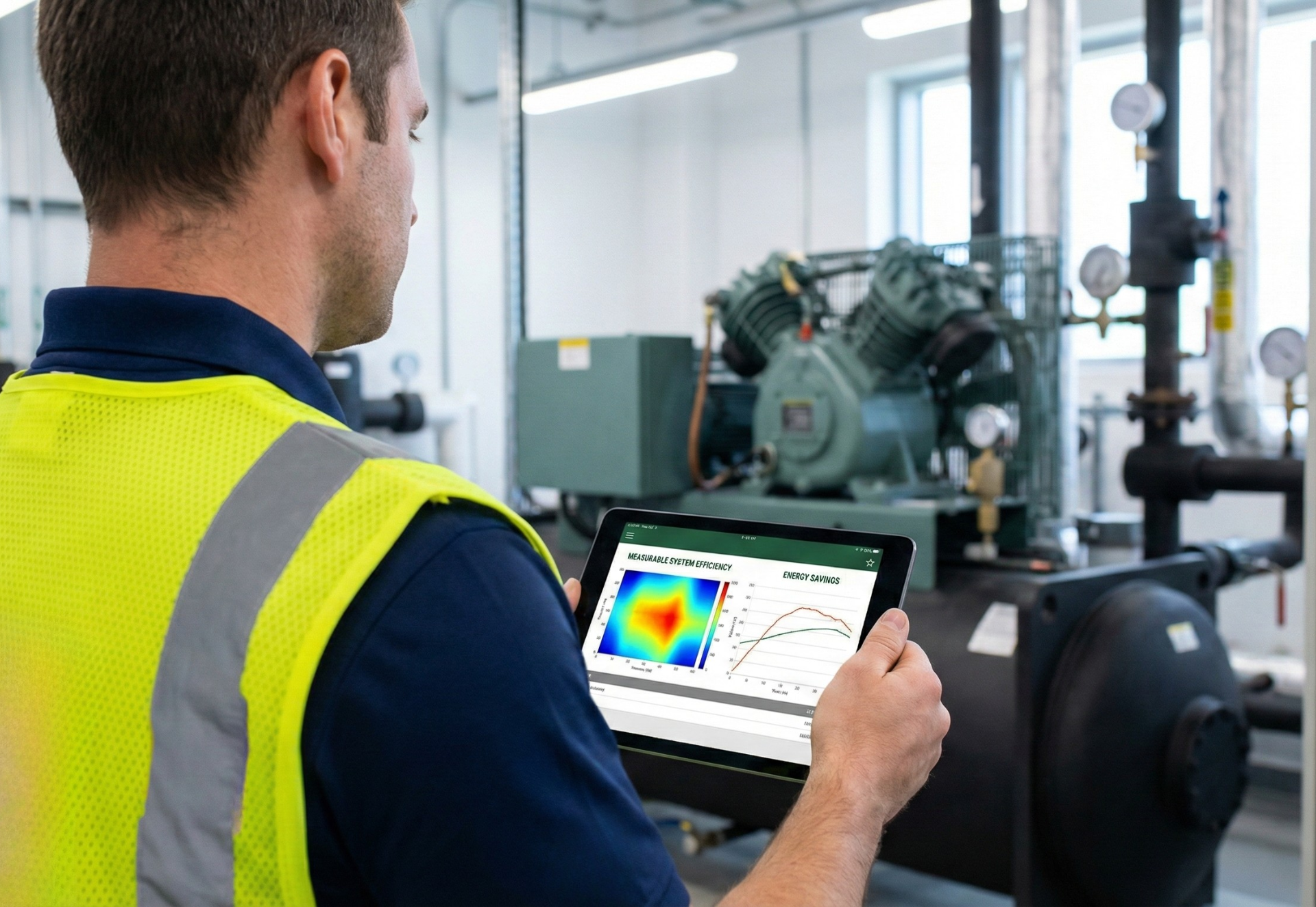
How A10 Compressed Air Systems Perform in Industrial Use
In real-world operations, performance is measured by consistency, not peak numbers on a spec sheet.
Key Performance Characteristics
- Continuous airflow delivery under load
- Stable pressure control during demand swings
- Efficient energy usage across operating ranges
- Integration-ready controls for monitoring and diagnostics
These systems are often paired with variable speed technology, allowing output to match real demand rather than running flat-out unnecessarily.
The result is lower energy waste and smoother operation across shifts.
Energy Efficiency: Where A10 Systems Add Value
Compressed air is one of the most expensive utilities in manufacturing. The real cost isn’t just kilowatts—it’s inefficiency.
Organizations like the Compressed Air Challenge consistently highlight that system optimization, not just equipment upgrades, drives the biggest energy savings.
A10 compressed air systems support efficiency by:
- Maintaining consistent pressure without overshoot
- Reducing unload/run inefficiencies
- Supporting modern control strategies
- Integrating with dryers, filtration, and downstream equipment
When paired with proper system design, facilities often see measurable reductions in energy consumption and operating strain.
Typical Applications for A10 Compressed Air
A10 compressed air systems are commonly deployed in environments where reliability and consistency outweigh low initial cost.
Typical applications include:
- Manufacturing and assembly lines
- Food and beverage processing
- Packaging and materials handling
- Fabrication and finishing operations
- Distribution and logistics facilities
These environments share one thing in common: air interruptions disrupt production immediately.
Installation: Where Most Systems Succeed or Fail
Even a well-designed A10 compressed air system can underperform if installation is rushed or poorly executed.
Common installation issues include:
- Inadequate ventilation leading to heat buildup
- Improper electrical sizing
- Restrictive or poorly laid-out piping
- No allowance for future expansion
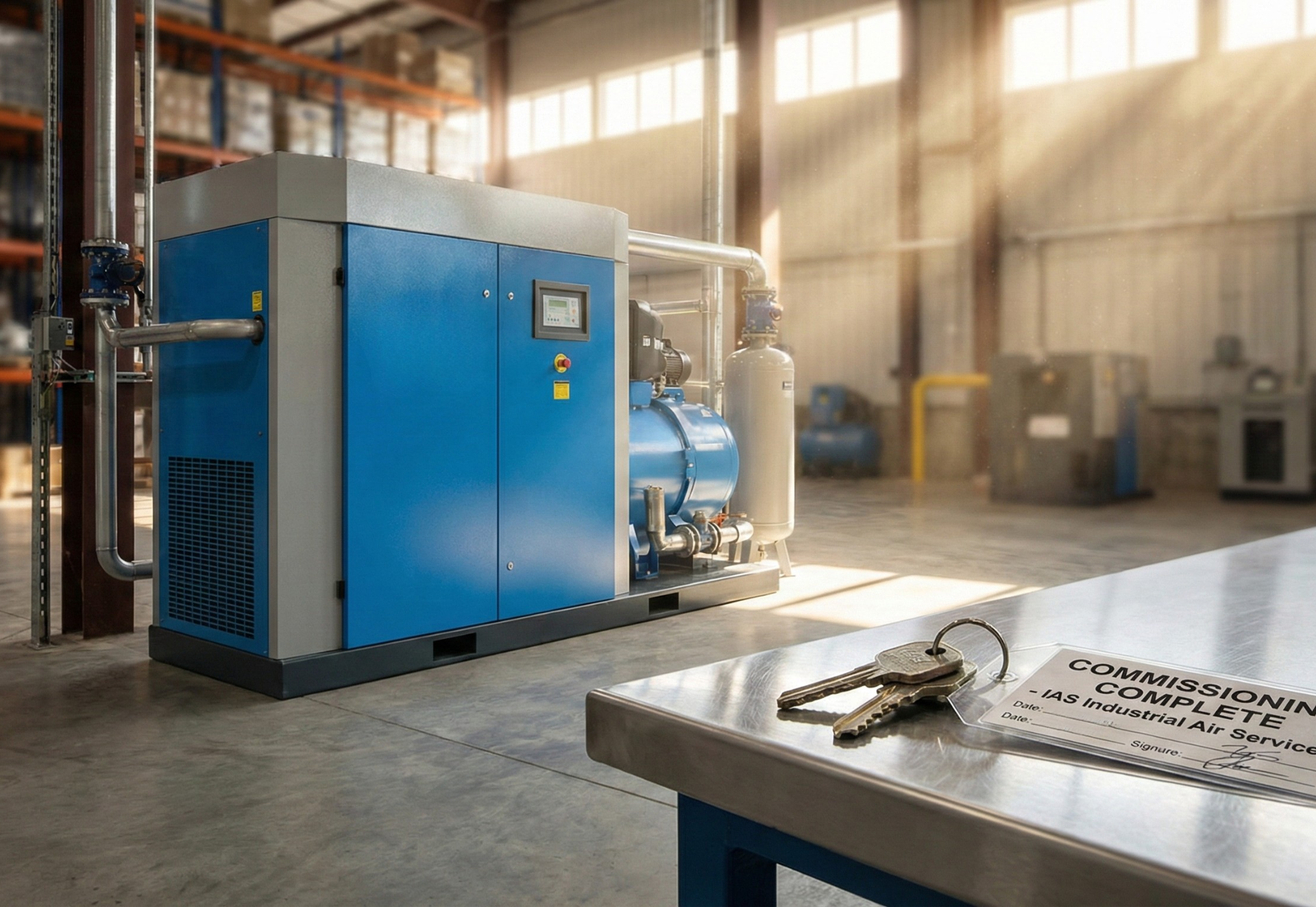
- Skipping commissioning and verification
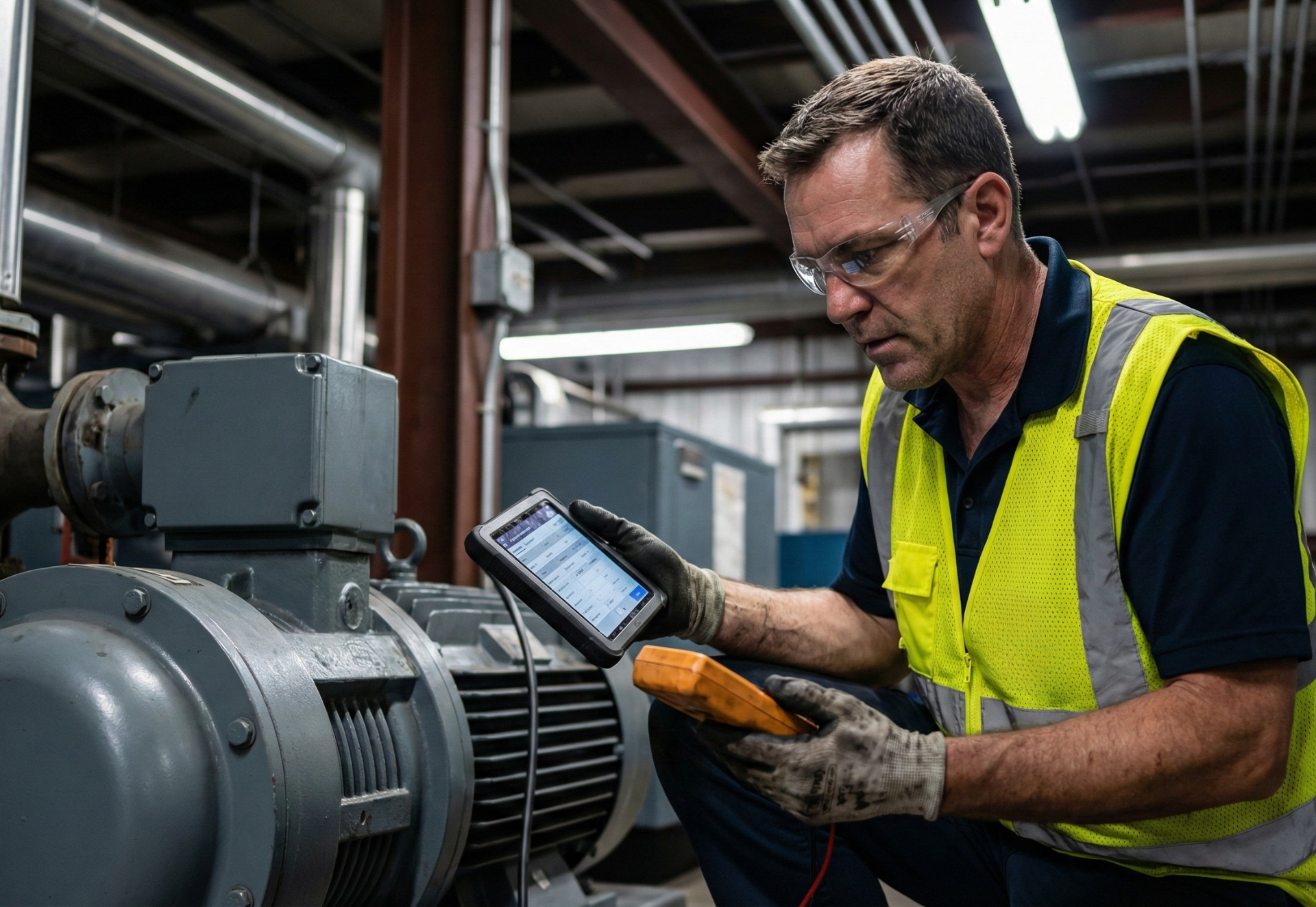
IAS handles turnkey installation, including layout planning, airflow analysis, electrical coordination, and startup testing, because a system that isn’t installed correctly becomes a liability fast.
Maintenance and Service: Protecting the Investment
Industrial compressed air systems aren’t “set and forget.”
Proper servicing includes:
- Lubrication management
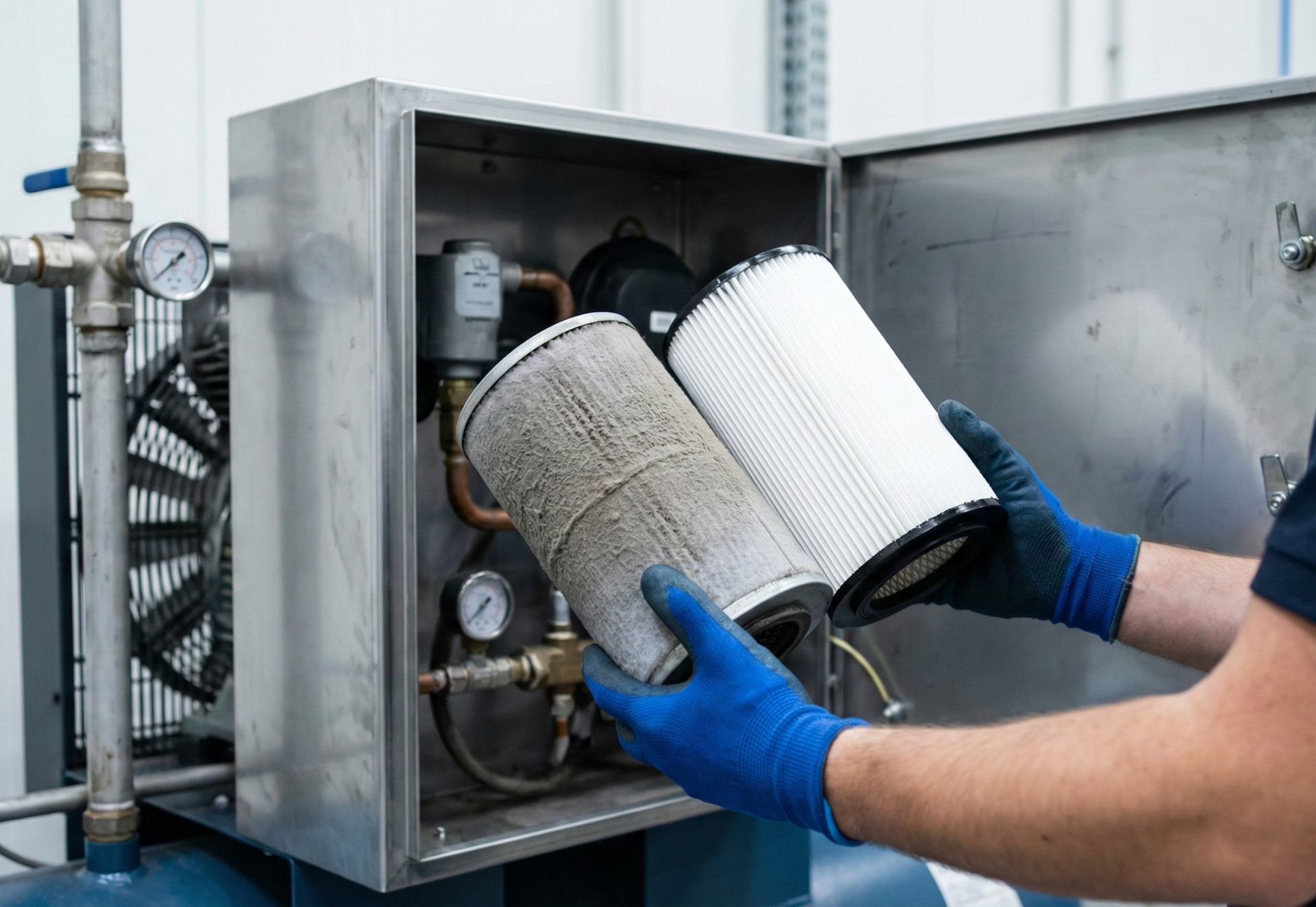
- Filter and separator maintenance
- Control system verification
- Leak detection and correction
- Performance trending over time
The International Organization for Standardization outlines air quality and performance standards that depend heavily on consistent system maintenance, not just equipment condition.
Facilities that maintain A10 compressed air systems proactively experience:
- Fewer emergency shutdowns
- Lower total operating costs
- Longer equipment lifespan
- More predictable production schedules
Why IAS Is the Right Partner for A10 Compressed Air Systems
An A10 system is only as reliable as the team supporting it.
Industrial Air Services provides:
- System evaluation and airflow analysis
- Professional installation and commissioning
- Preventive maintenance programs
- Troubleshooting and repair support
- Long-term optimization strategies
We don’t sell equipment and disappear. We stay involved because uptime depends on it.
Our approach is simple:
- Design it right
- Install it correctly
- Maintain it consistently
- Support it when it matters
That’s how industrial compressed air systems earn their keep.
Frequently Asked Questions
1. Is an A10 compressed air system right for every facility?
No. A10 systems are best suited for operations with steady demand and low tolerance for pressure fluctuations. IAS evaluates airflow, duty cycle, and production sensitivity before recommending any system.
2. How long does an A10 compressed air system last?
With proper installation and maintenance, industrial compressed air systems commonly last 15–20 years. Longevity depends more on servicing and operating conditions than the nameplate.
3. Can IAS support existing A10 compressed air installations?
Yes. IAS provides service, optimization, and repair support for existing A10 compressed air systems—even if we didn’t install them originally.
Build a Compressed Air System That Works as Hard as You Do
If you’re evaluating A10 compressed air or questioning whether your current system is delivering what it should, don’t rely on assumptions.
Industrial Air Services helps Texas facilities:
- Evaluate compressed air demand
- Design and install reliable systems
- Reduce energy waste
- Maintain uptime year after year
Contact IAS today to talk with a team that understands industrial compressed air from the floor up, not just from a brochure.