Compressed Air Services in San Antonio: Reliable Systems That Keep Industrial Operations Running
Compressed air is often called the fourth utility, right alongside electricity, water, and gas. For industrial operations in San Antonio, it plays a critical role in powering tools, controlling automation, maintaining safety systems, and supporting production uptime. When compressed air systems fail or underperform, the impact is immediate: downtime, inefficiency, and rising operating costs.
This guide explains what reliable compressed air services in San Antonio really mean, why system-level thinking matters, and how industrial facilities can protect performance in demanding Texas operating conditions.
Why Compressed Air Is Mission-Critical for San Antonio Industries
San Antonio’s industrial landscape spans manufacturing, construction, food processing, automotive service, utilities, and energy support. Across all of these sectors, compressed air is not optional; it is foundational.
Compressed air systems are used to:
- Power pneumatic tools and equipment
- Control automated production lines
- Support packaging and material handling
- Operate safety and control valves
- Maintain clean and dry process air
Unlike other utilities, compressed air is generated on-site, which means performance depends entirely on system design, maintenance, and monitoring. Poorly designed systems waste energy, suffer pressure drops, and introduce moisture or contamination into operations.
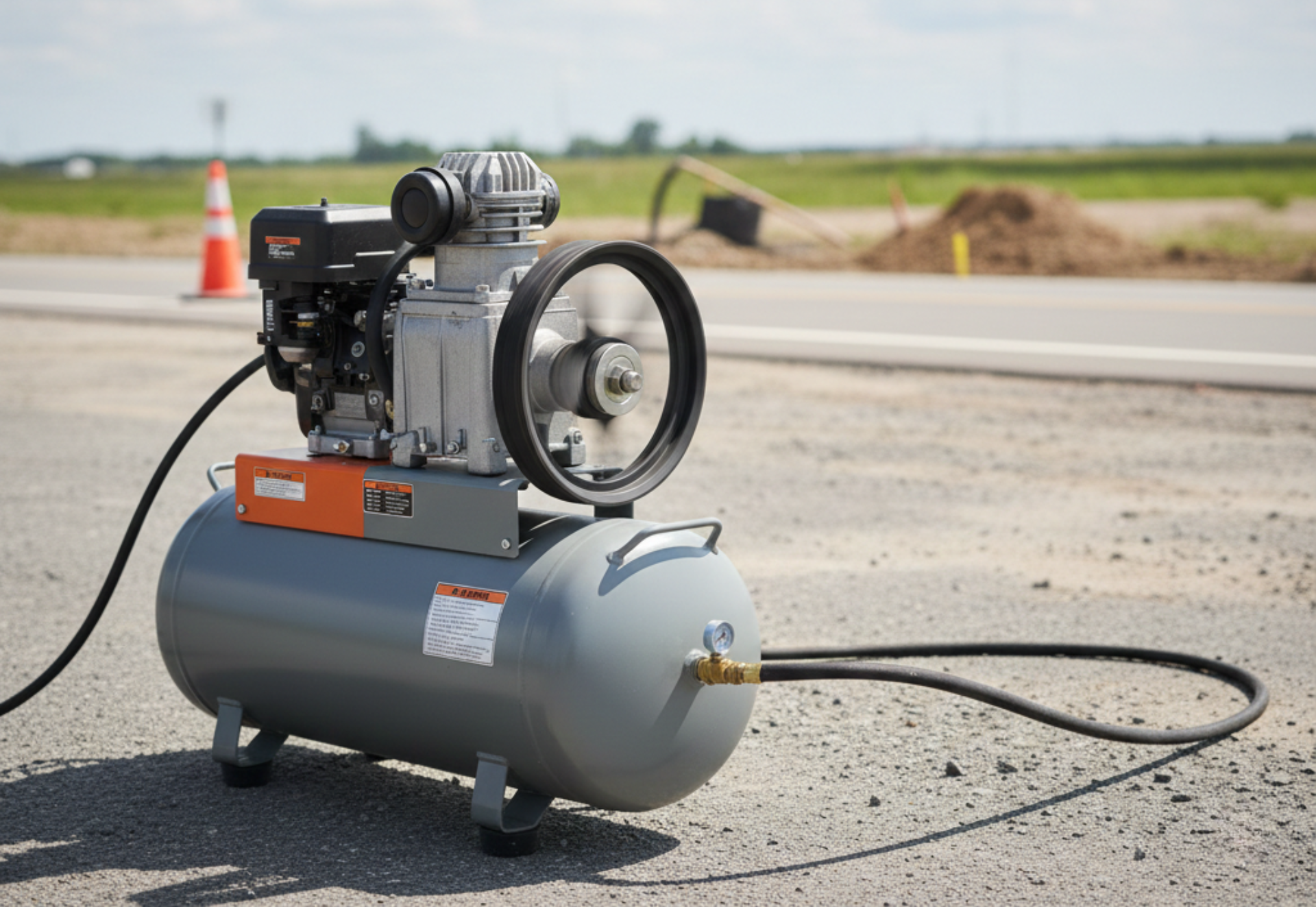
In high-heat environments like South Texas, inefficiencies are amplified. Elevated ambient temperatures increase compressor load, accelerate wear, and raise moisture levels—making professional compressed air services essential, not optional.
External reference (Section 1 of 3):
What “Compressed Air Services” Actually Include
Many businesses assume compressed air service means fixing a broken compressor. In reality, professional compressed air services address the
entire system, not just one component.
Core Service Categories
1. System Design & Installation
Proper sizing ensures the compressor delivers the right pressure and airflow without excessive cycling or energy waste.
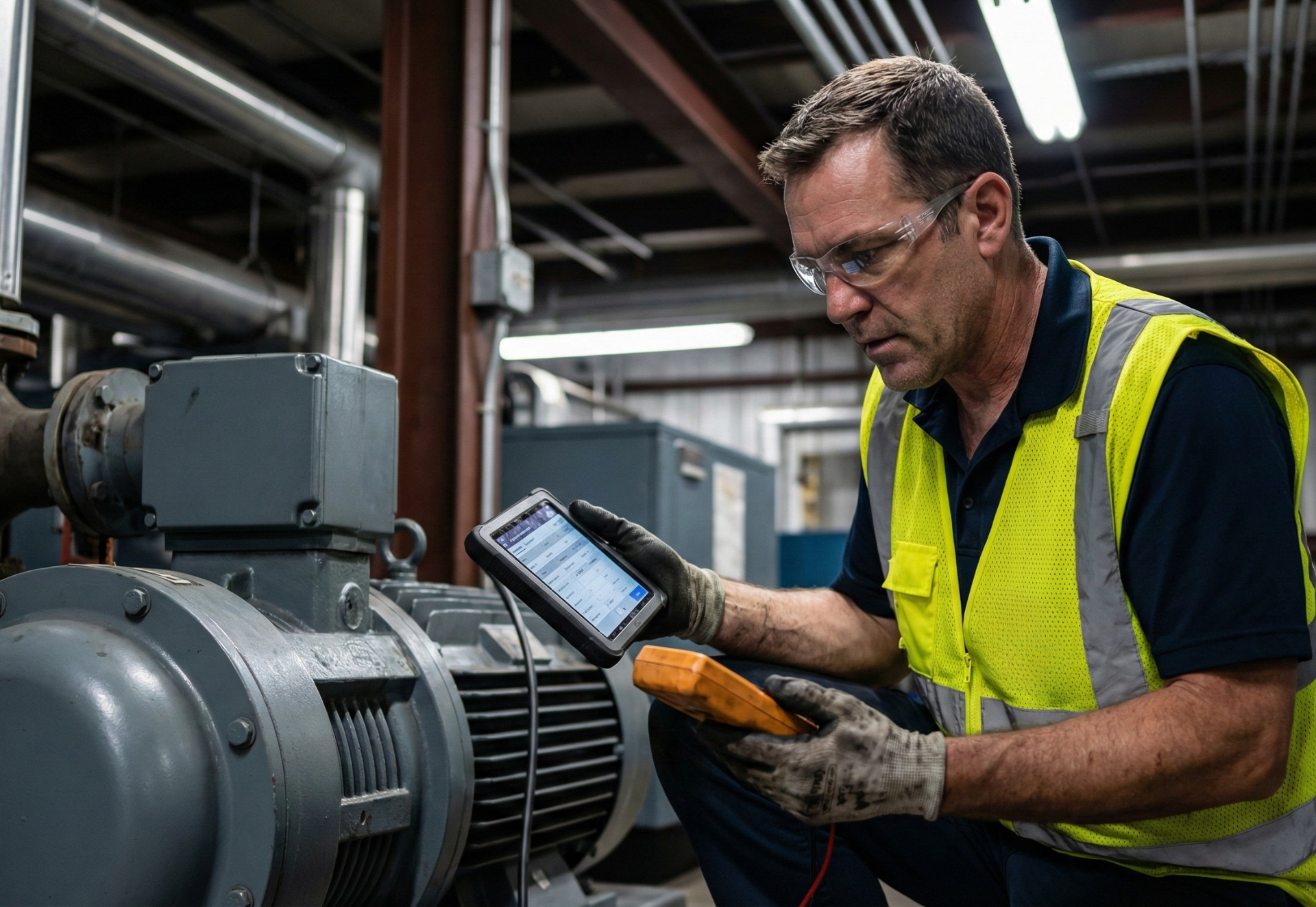
2. Preventive Maintenance
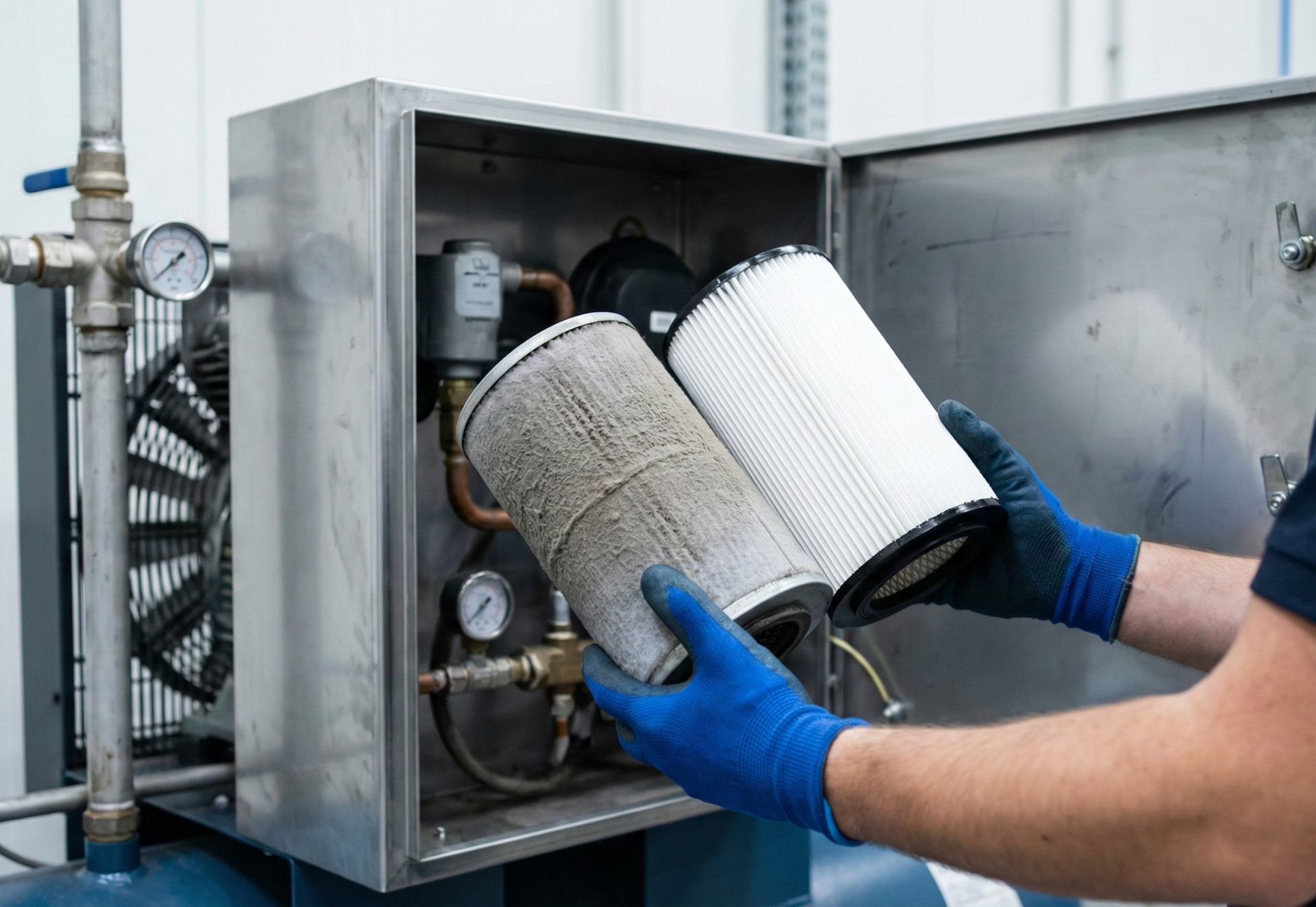
Scheduled inspections reduce unplanned downtime, extend equipment life, and stabilize operating costs.
3. Leak Detection & Repair
Air leaks can waste 20–30% of generated compressed air, silently driving up energy bills.
4. Dryer & Filtration Management
Moisture and contaminants damage tools, corrode piping, and compromise product quality.
5. Performance Audits & Optimization
Evaluating pressure stability, flow demand, and energy use identifies improvement opportunities.
The difference between reactive service and strategic compressed air management is the difference between constant firefighting and controlled reliability.
Common Compressed Air Problems in Industrial Facilities
Compressed air systems rarely fail all at once. Instead, they degrade gradually—often unnoticed until productivity suffers.
Frequent Issues Seen in San Antonio Facilities
- Pressure drops during peak demand
- Excessive moisture in air lines
- Overworked compressors running continuously
- Rising energy costs without increased output
- Inconsistent tool or equipment performance
Heat, humidity, and continuous-duty cycles common in Texas accelerate these issues. Without regular system evaluation, small inefficiencies compound into major operational risks.
Facilities that treat compressed air as a managed asset consistently outperform those that treat it as background equipment.
Energy Efficiency: The Hidden Cost of Compressed Air
Compressed air is one of the least energy-efficient utilities in industrial operations. Only a fraction of the electrical or fuel energy used to generate compressed air is converted into usable work.
Energy losses typically come from:
- Air leaks
- Oversized or undersized compressors
- Excessive system pressure
- Poorly maintained filters and dryers
- Inadequate control strategies
In many facilities, compressed air accounts for 10–30% of total electricity usage. Optimizing the system doesn’t just improve reliability, it directly impacts operating margins.
External reference (Section 2 of 3):
- https://www.energy.gov/eere/amo/compressed-air-systems
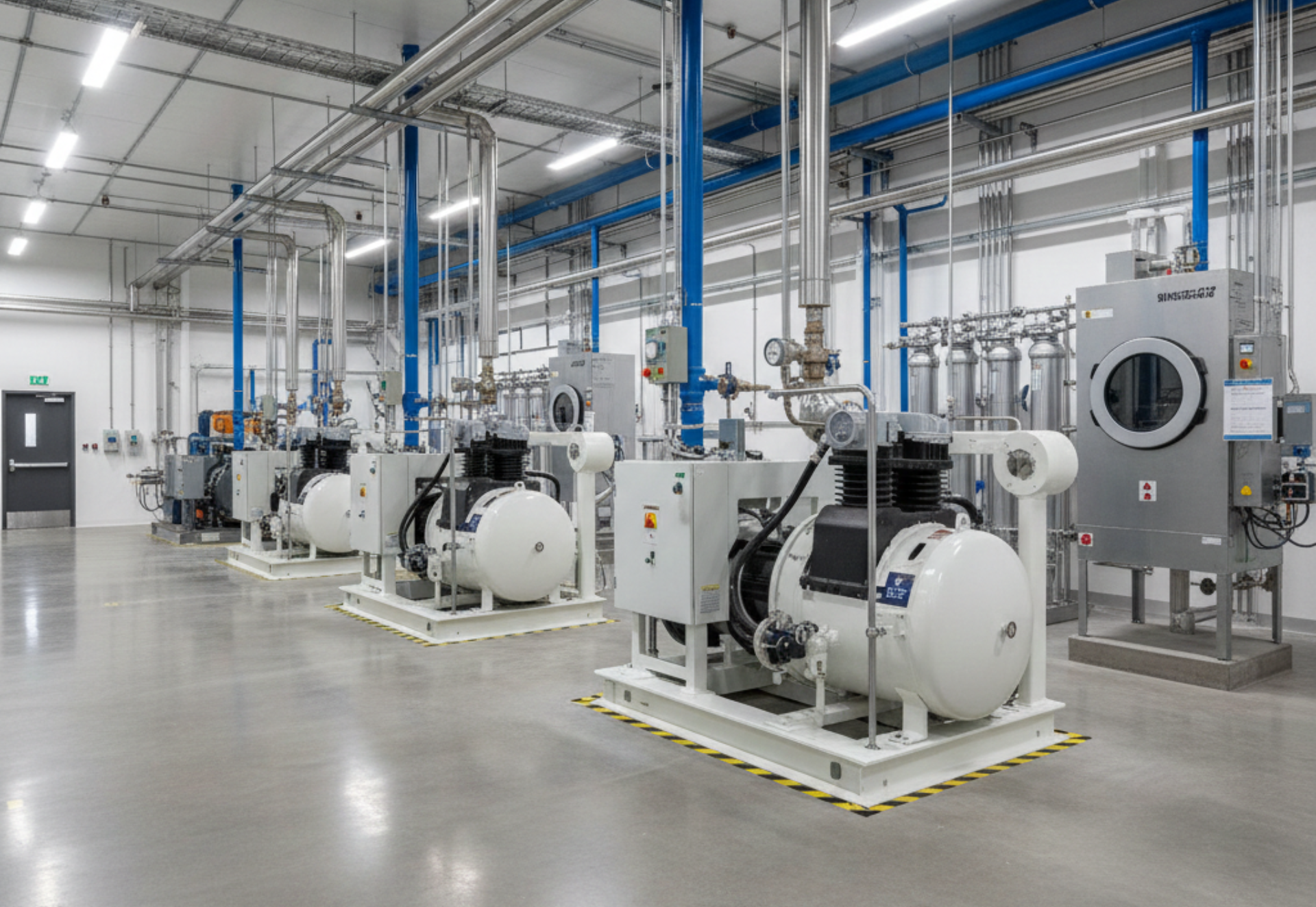
Why Local Expertise Matters in San Antonio
Compressed air systems are affected by local operating conditions. In San Antonio, those conditions include:
- High ambient temperatures
- Seasonal humidity swings
- Dust and airborne particulates
- Extended operating hours
Local compressed air specialists understand how these factors influence:
- Compressor cooling efficiency
- Moisture management strategies
- Dryer selection and placement
- Maintenance scheduling
A system designed for cooler or drier climates may struggle in South Texas. Local expertise ensures systems are configured for real environmental conditions, not theoretical averages.
Preventive Maintenance vs Reactive Repairs
Reactive repairs address failures after they occur. Preventive maintenance prevents failures from happening in the first place.
Preventive Maintenance Benefits
- Reduced unplanned downtime
- Stable air pressure and quality
- Lower long-term repair costs
- Extended equipment lifespan
- Improved safety and compliance
Facilities that rely on reactive repairs often experience:
- Emergency service premiums
- Production interruptions
- Accelerated equipment wear
Preventive maintenance transforms compressed air from a liability into a controlled, predictable utility.
External reference (Section 3 of 3):
Compressed Air as a System, Not a Machine
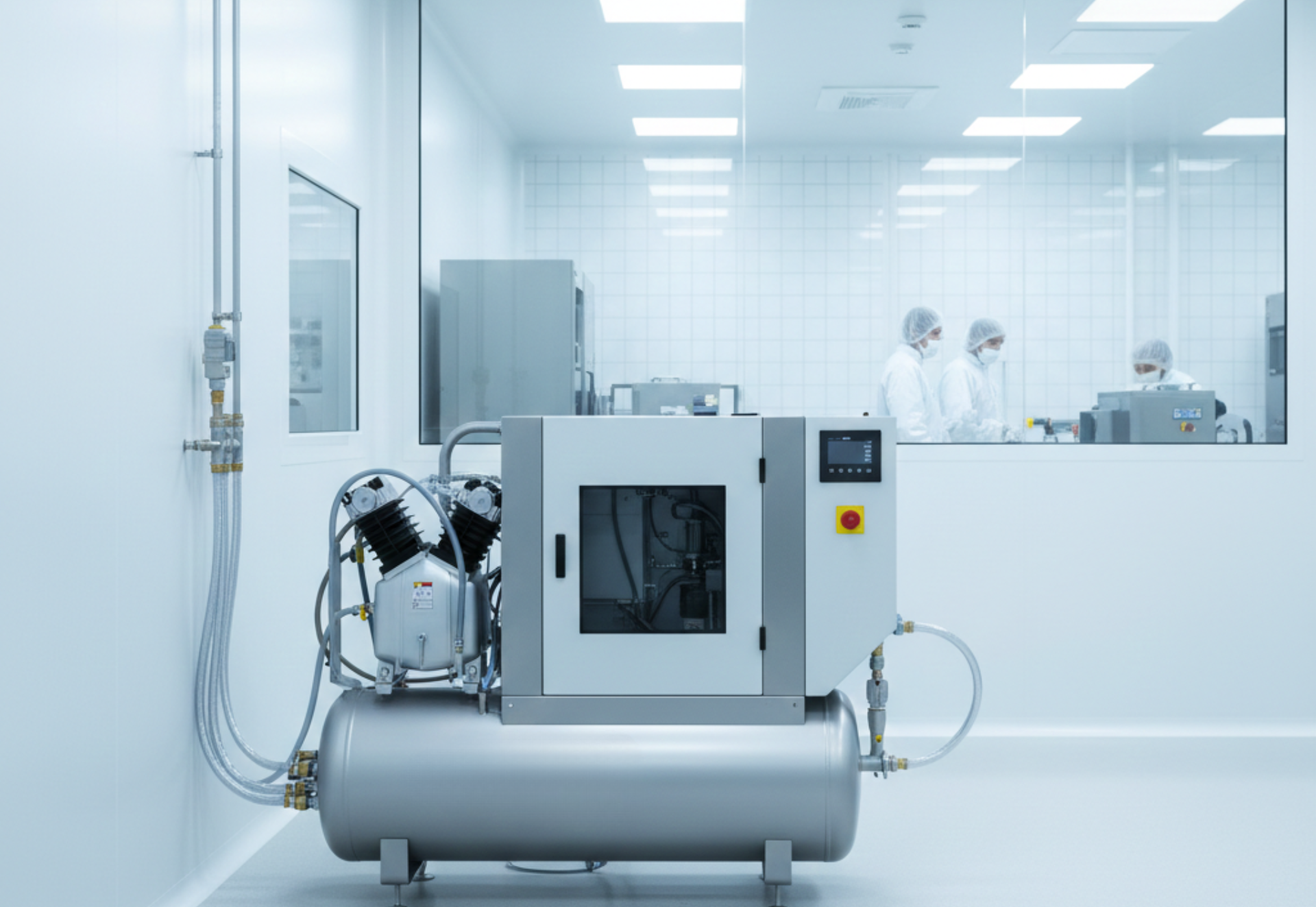
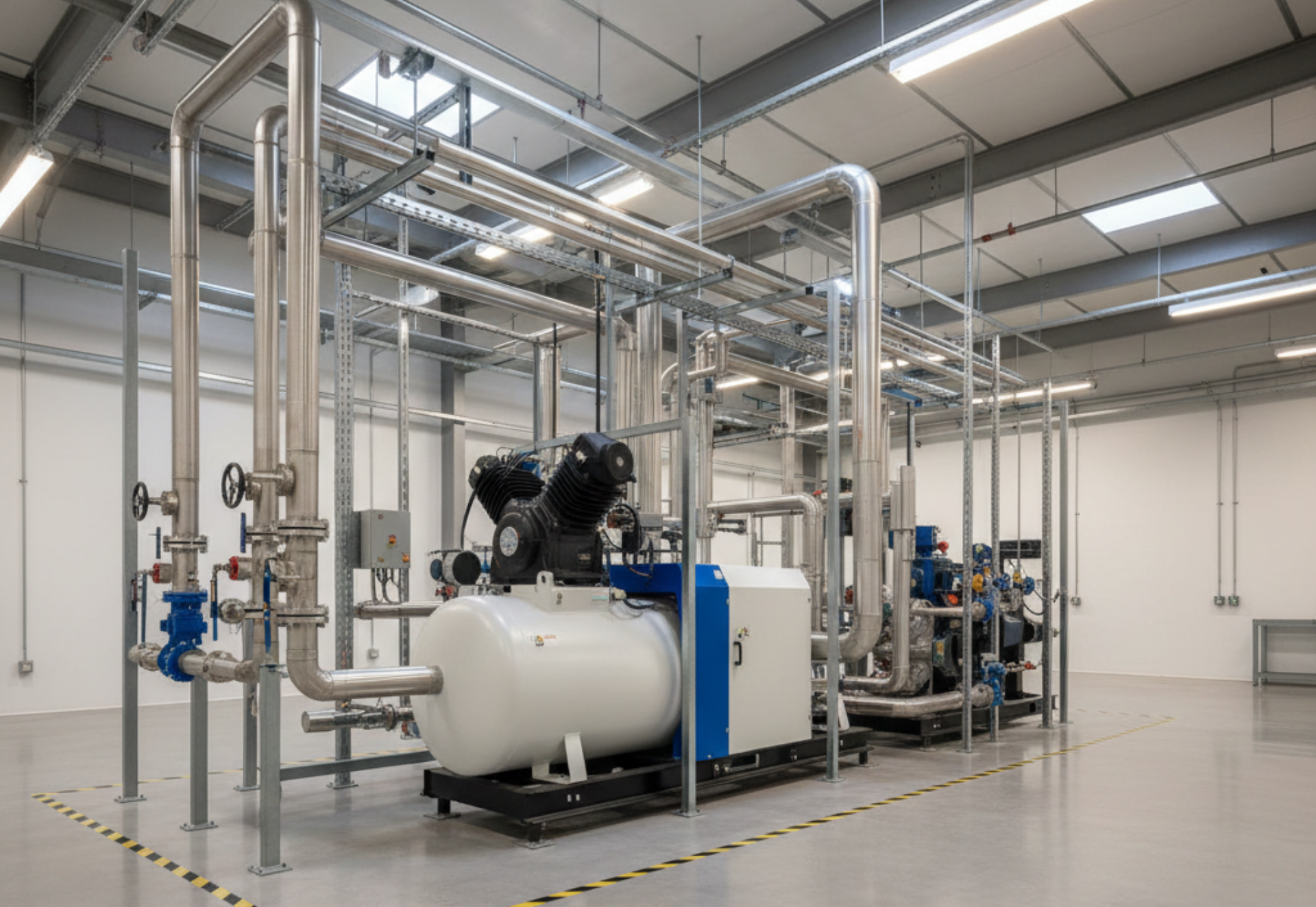
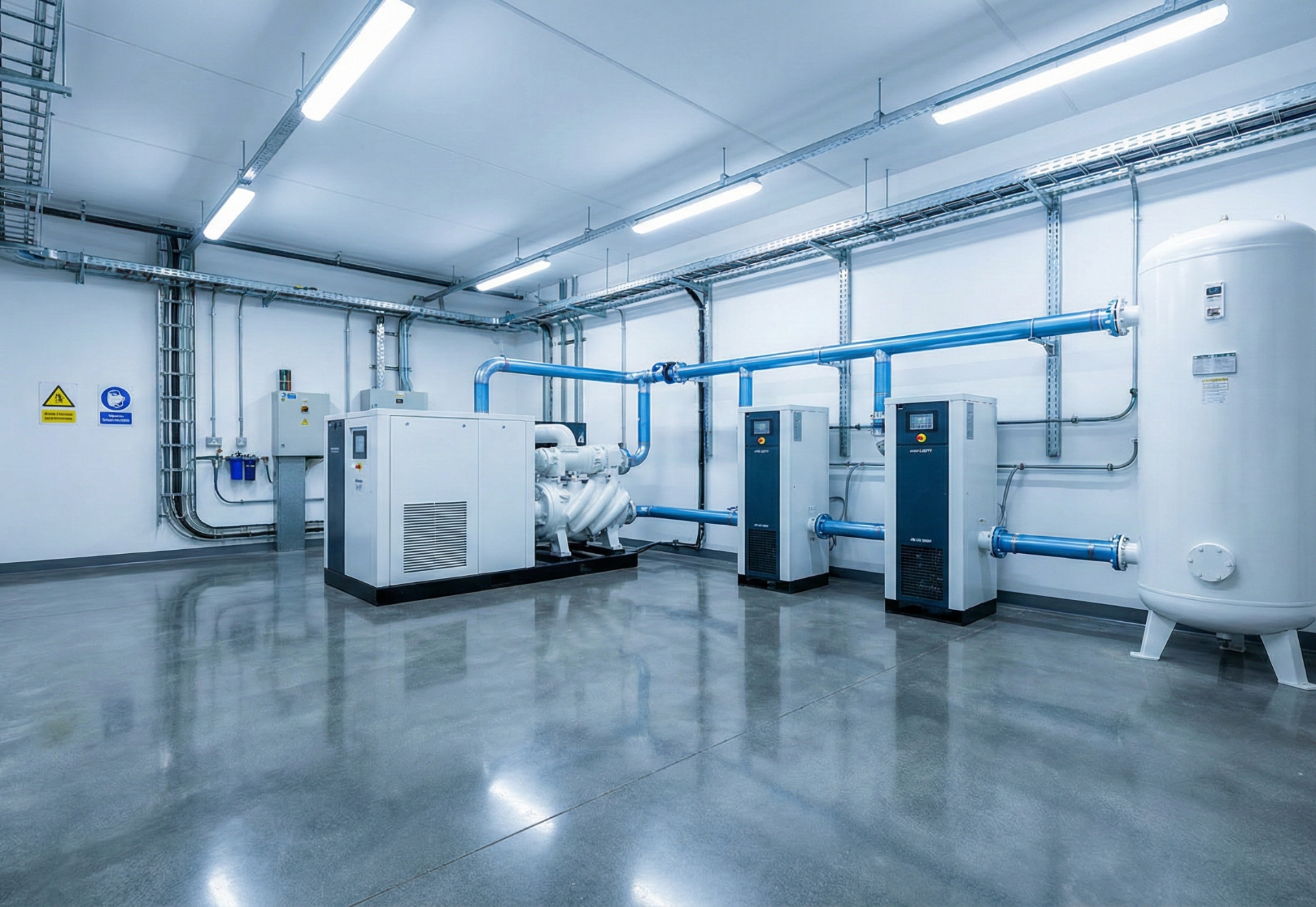
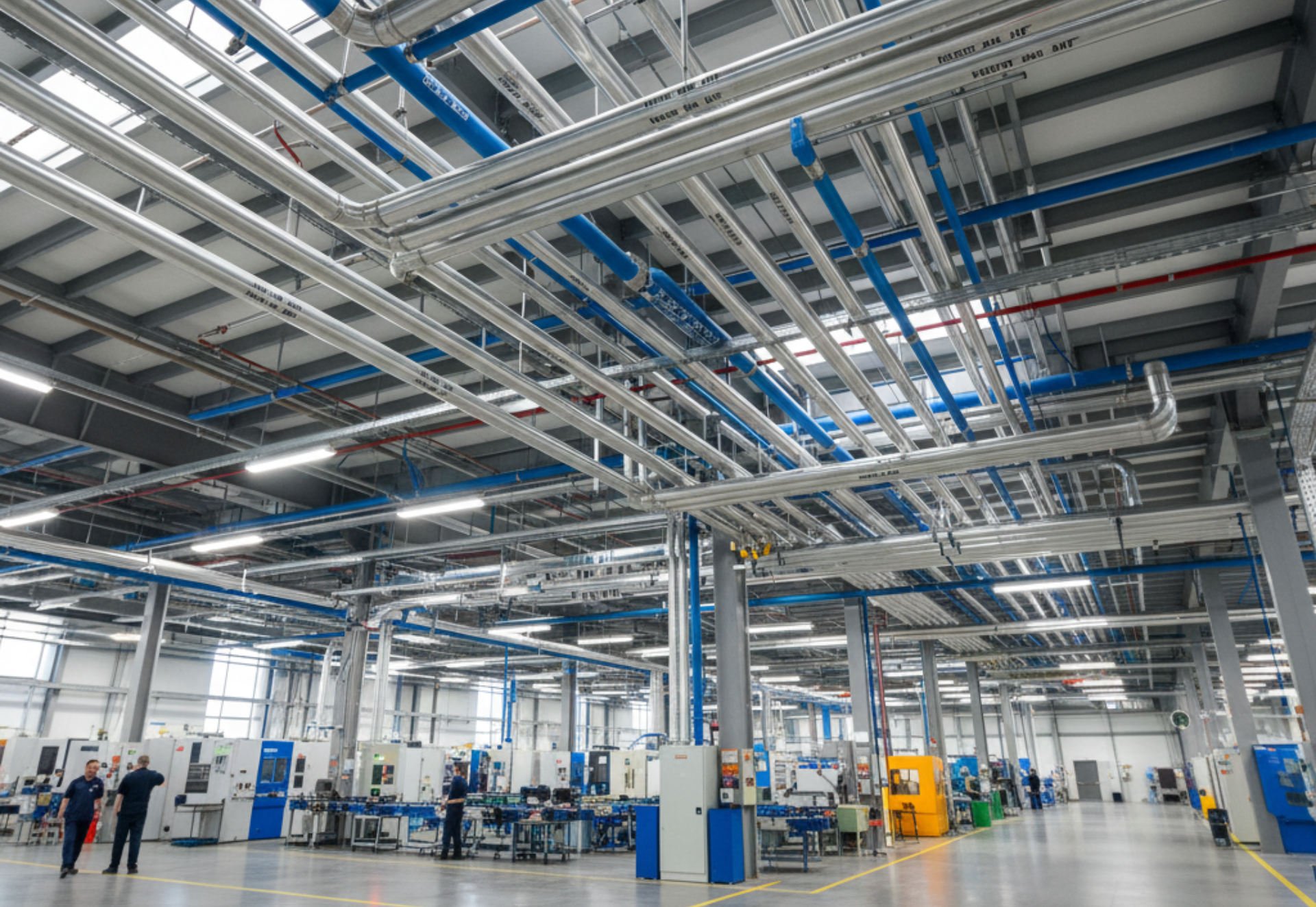
One of the most common mistakes in industrial facilities is focusing on the compressor alone. In reality, compressed air performance depends on:
- Compressor capacity and control
- Storage tanks
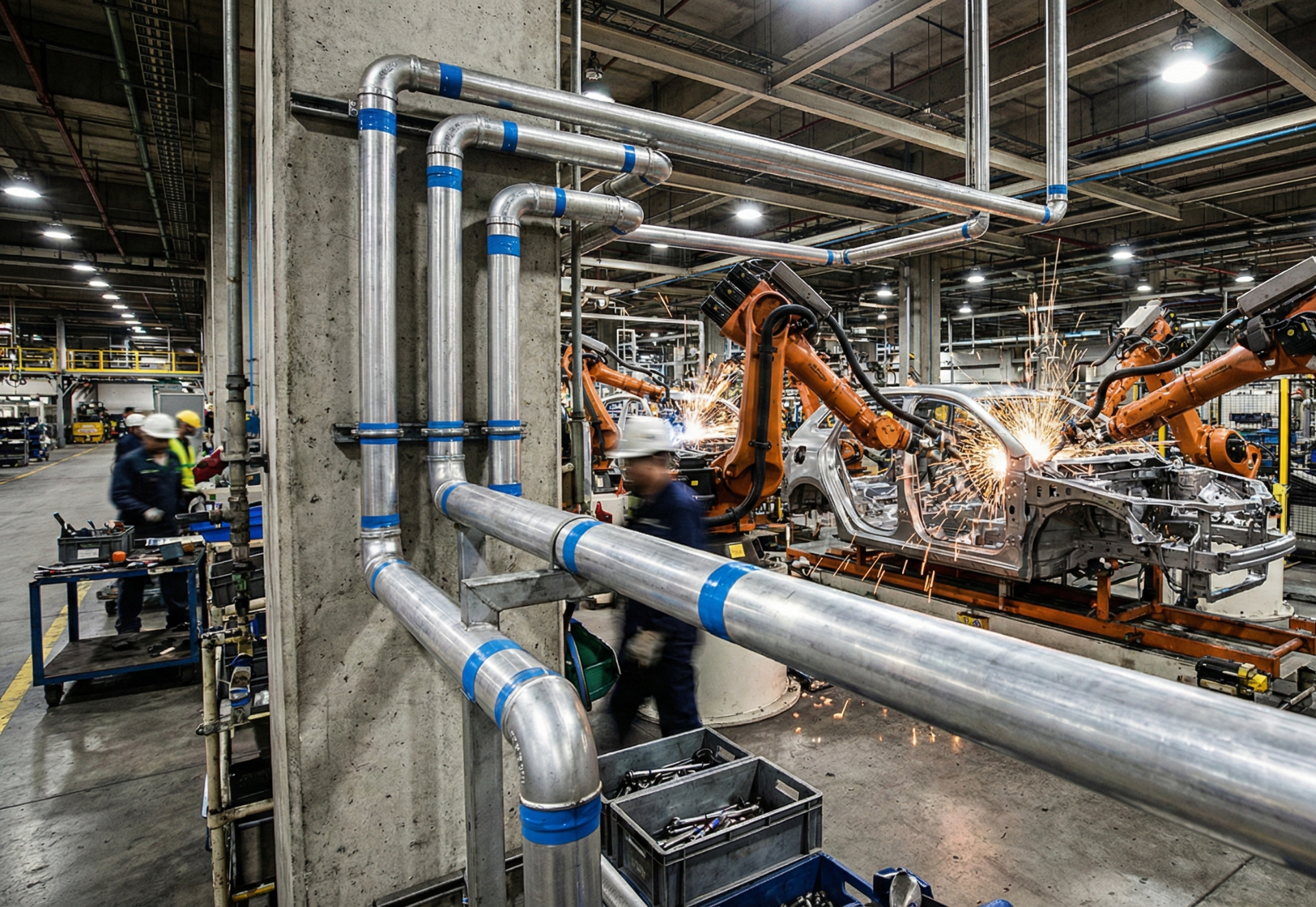
- Distribution piping
- Dryers and filters
- End-use demand patterns
A high-quality compressor cannot overcome poor piping design or unmanaged leaks. True reliability comes from system-level thinking, where every component supports stable pressure, clean air, and efficient delivery.
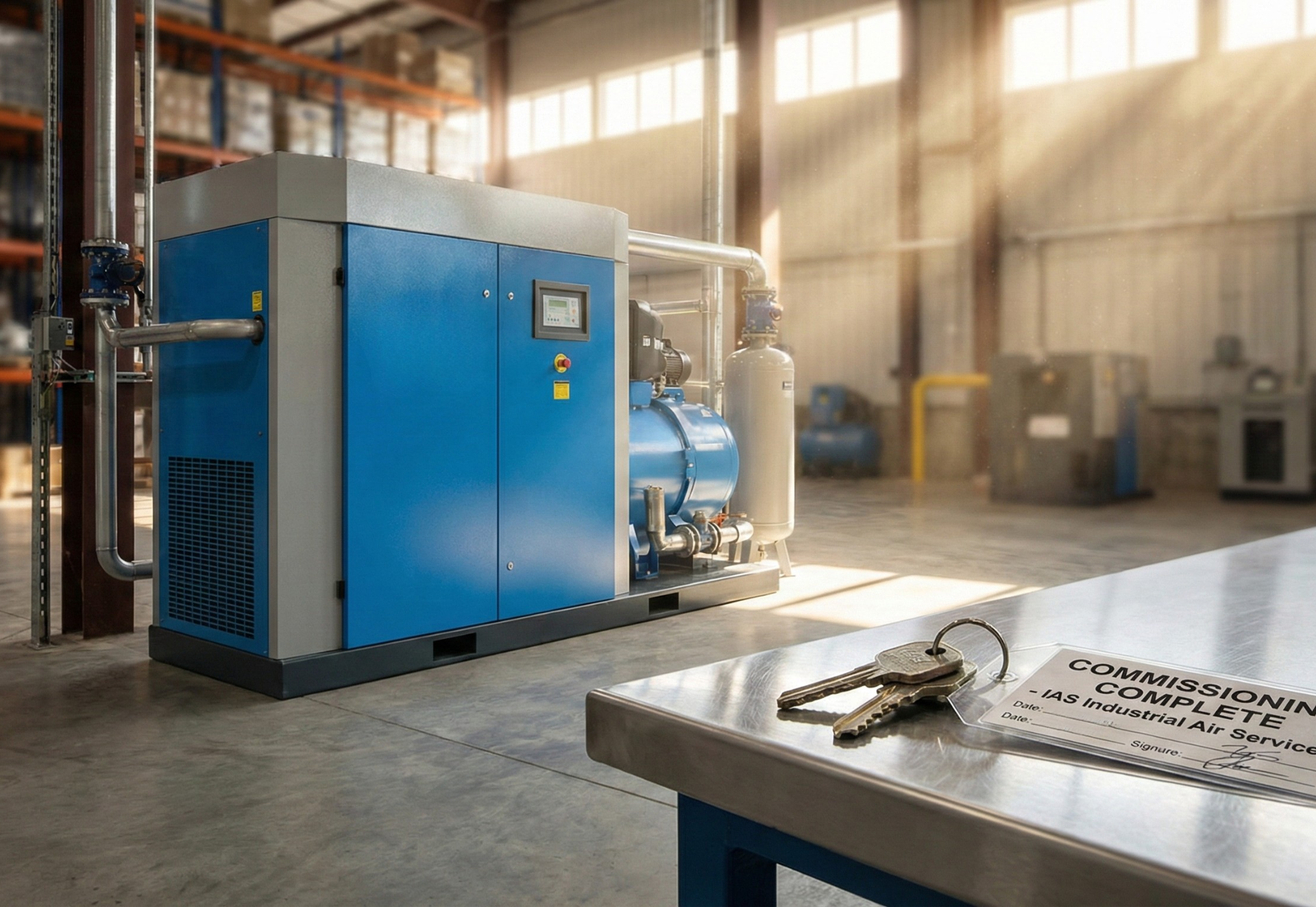
Industrial Air Services approaches compressed air as an integrated system engineered for uptime, efficiency, and long-term value.
Frequently Asked Questions
1. How often should compressed air systems be inspected?
At minimum, systems should be professionally evaluated annually, with critical components inspected more frequently depending on usage and environment.
2. Can compressed air inefficiencies really impact energy costs?
Yes. Leaks, pressure mismanagement, and poor controls can waste thousands of dollars annually in energy alone.
3. Is compressed air maintenance worth it for smaller facilities?
Absolutely. Smaller systems often run closer to capacity, making them more vulnerable to downtime and inefficiency without proper maintenance.
Why Industrial Air Services for Compressed Air in San Antonio
Industrial Air Services delivers more than repairs; we deliver operational reliability. Our approach is grounded in engineering expertise, real-world industrial experience, and a deep understanding of South Texas operating conditions.
With IAS, you get:
- System-focused solutions
- Data-driven recommendations
- Preventive maintenance strategies
- Long-term performance planning
Compressed air should support your operation, not limit it.
If your operation relies on compressed air, it deserves professional oversight.
Speak with Industrial Air Services today to optimize your compressed air system in San Antonio.