A Practical Guide to Medical Equipment: Types, Standards, and Why Reliable Systems Save Lives
Medical equipment is the backbone of modern healthcare. From diagnostic imaging machines to medical air compressors powering life-support tools, every device plays a critical role in protecting patient safety and supporting clinical efficiency. When equipment fails, the cost isn’t just operational; it affects care quality, compliance, and ultimately, lives.
For hospitals, clinics, laboratories, and surgical centers, choosing the right medical equipment and ensuring that the supporting systems are maintained to regulatory standards isn’t optional. It’s a fundamental requirement for patient outcomes, regulatory compliance, and uptime.
In this guide, we break down the major categories of medical equipment, the essential standards facilities must meet, and why reliable medical air and vacuum systems are central to a safe healthcare environment.
What Counts as Medical Equipment? A Breakdown of the Core Categories
Healthcare facilities use hundreds of specialized tools, but all devices fall into several major categories. Understanding these helps administrators and clinical engineers build a more resilient equipment strategy.
1. Diagnostic Equipment
Diagnostic tools help clinicians identify diseases and conditions quickly and accurately.
Examples:
- X-ray machines
- MRI and CT scanners
- Ultrasound systems
- Electrocardiograms (ECG)
- Medical laboratory analyzers
Reference: Cleveland Clinic overview of diagnostic technology
These tools depend heavily on consistent power, stable air supply, and tightly controlled environmental conditions.
2. Therapeutic Equipment
Devices that support treatment or recovery.
Examples:
- Infusion pumps
- Dialysis machines
- Nebulizers
- Physical therapy devices
- Ventilators
Ventilators and respiratory therapy machines rely on clean, dry, medical-grade air, a core system where facility infrastructure matters.
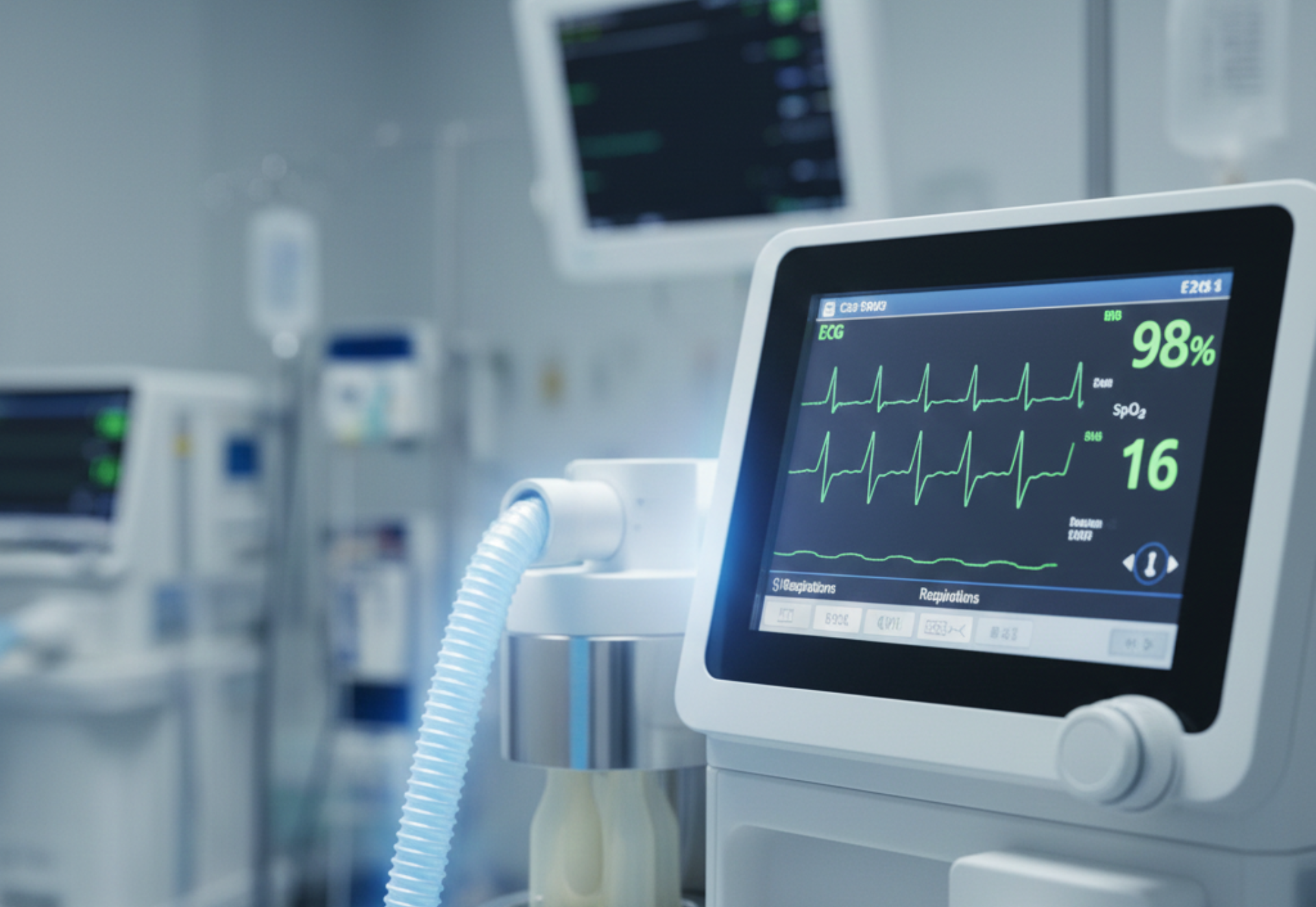
3. Monitoring Equipment
These devices provide continuous visibility into a patient’s condition.
Examples:
- Patient monitors (ECG, SpO2, BP)
- Fetal monitoring systems
- ICU vital signs monitors
- Wearable medical monitoring devices
In critical care, monitoring accuracy can determine life-or-death decisions; reliable power and medical gas support are essential.
4. Life-Support Equipment
Devices that sustain essential bodily functions.
Examples:
- Anesthesia machines
- Ventilators
- Cardiac life-support devices
- Medical air and oxygen delivery systems
These systems rely on uninterrupted airflow, fault-free vacuum performance, and redundancy, areas where Industrial Air Services provides critical support.
5. Surgical & Procedural Equipment
Includes general and minimally invasive surgical instruments, operating tables, and sterilization systems.
Sterile processing equipment, such as autoclaves, depends on proper vacuum and pressure systems for effective sterilization.
Reference:
CDC sterile processing guidelines
Why Standards Matter: Safety, Compliance, and Uptime
Healthcare isn’t an industry where “close enough” is acceptable. Medical equipment must comply with strict regulatory standards that protect patient safety and ensure facility readiness.
Key Regulatory Standards for Medical Equipment
1. ISO Standards
ISO sets global benchmarks for medical device safety, manufacturing, and quality control.
Common standards include:
- ISO 13485 (quality management for medical devices)
- ISO 7396-1 (medical gas pipeline systems)
- ISO 8573-1 (compressed air purity standards)
2. FDA Regulations
In the United States, the FDA regulates medical devices based on risk classification (Class I, II, III).
Facilities must ensure that the equipment they purchase is compliant and properly documented.
3. NFPA 99 – Health Care Facilities Code
NFPA 99 outlines the safety requirements for medical gas systems, vacuum systems, and electrical reliability.
This includes:
- Medical air purity
- Vacuum system performance
- Redundancy and backup
- Emergency preparedness
NFPA 99 compliance forms the backbone of safe clinical operations.
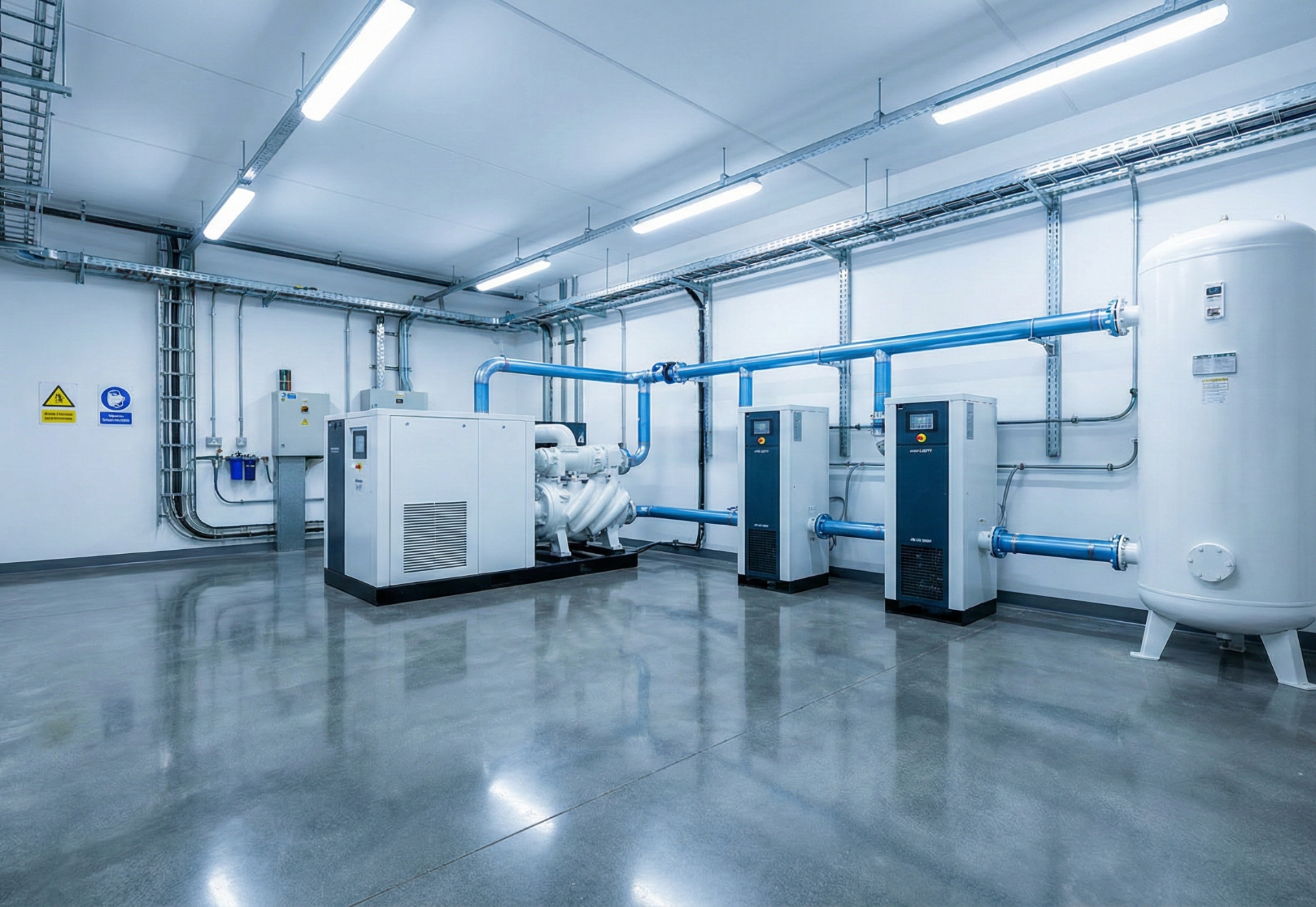
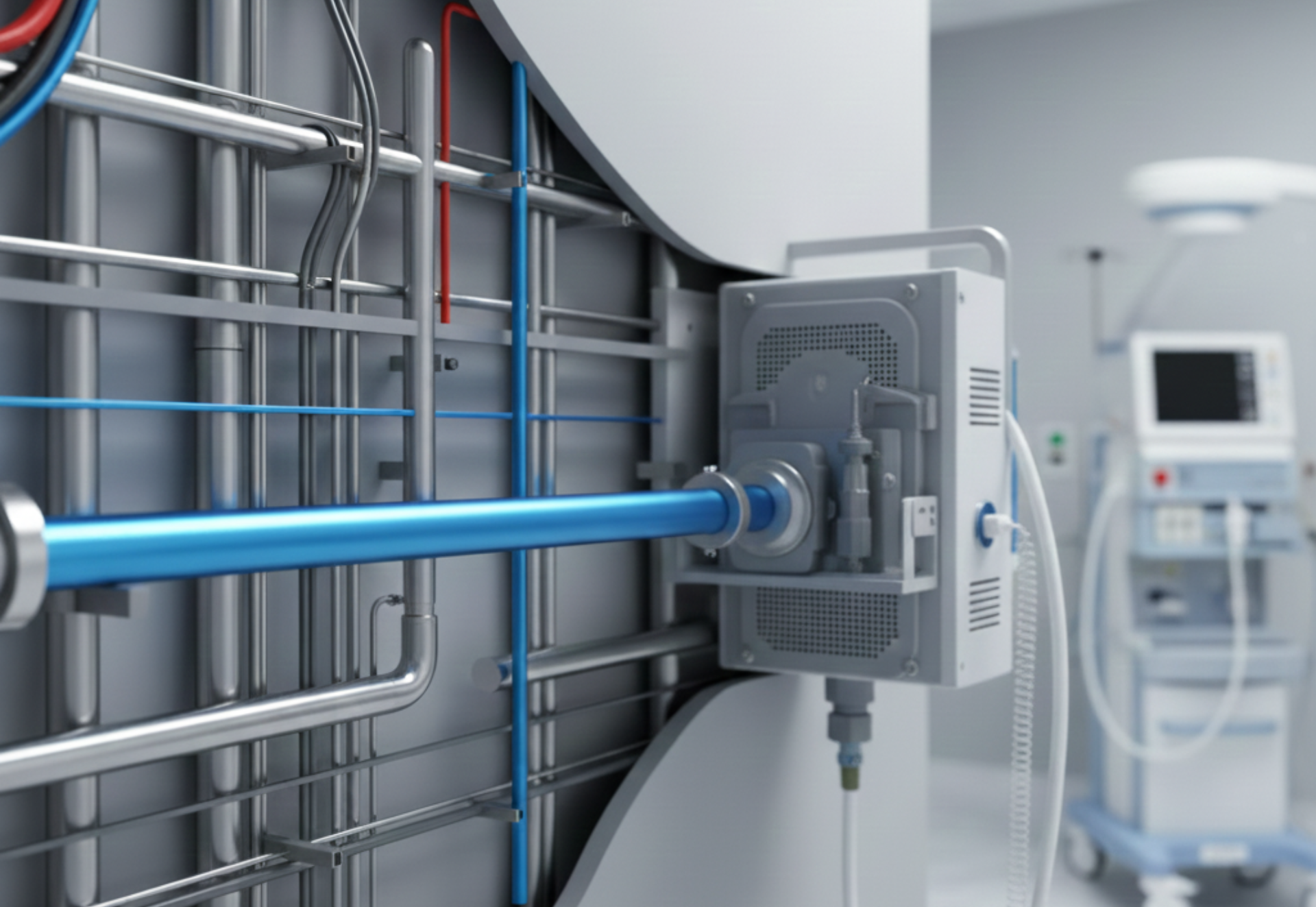
Medical Air & Vacuum Systems: The Hidden Infrastructure Behind Every Patient Care Area
Behind every functioning hospital is a complex web of mechanical systems that support patient care, sterilization, and environmental control. Among the most critical:
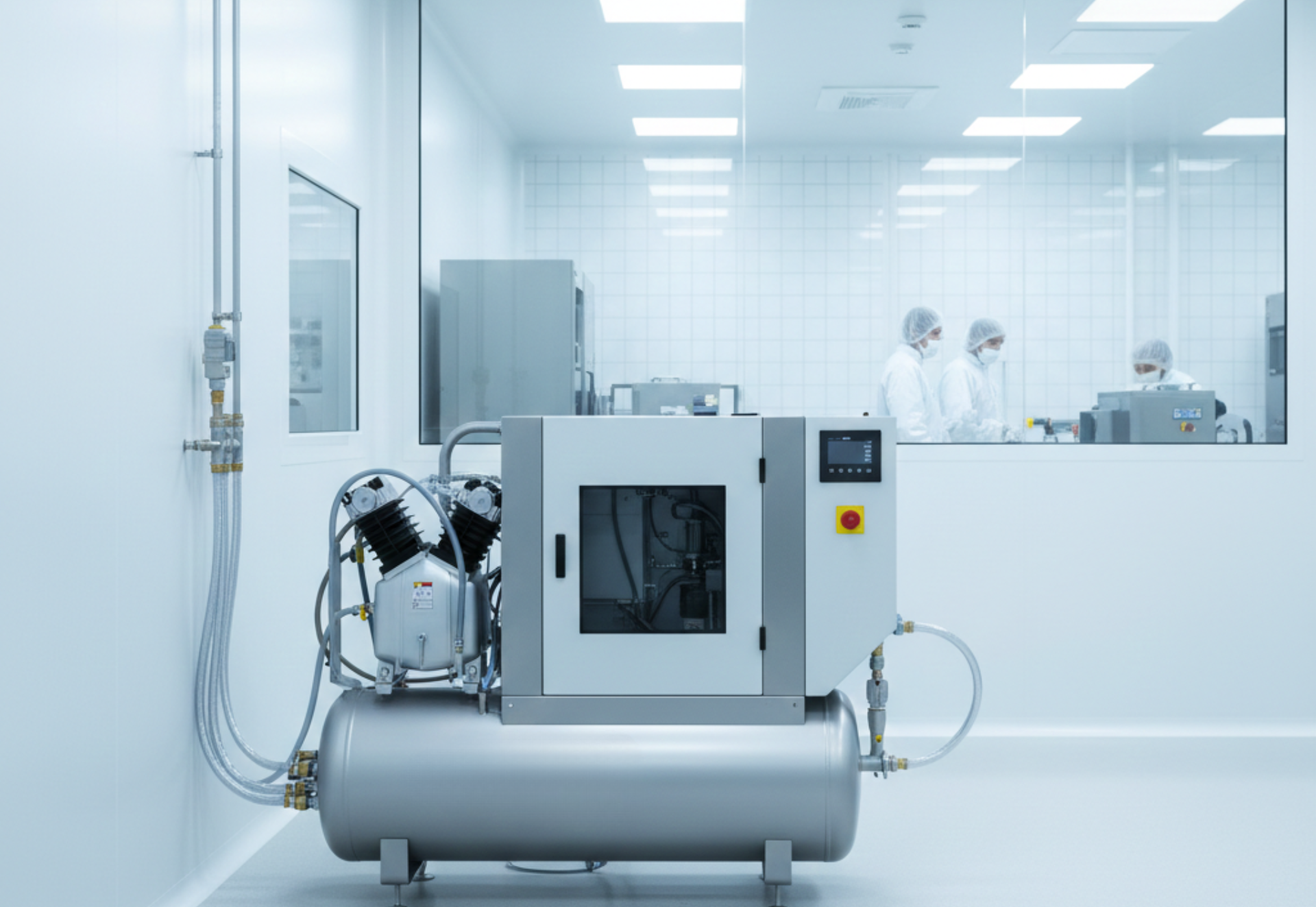
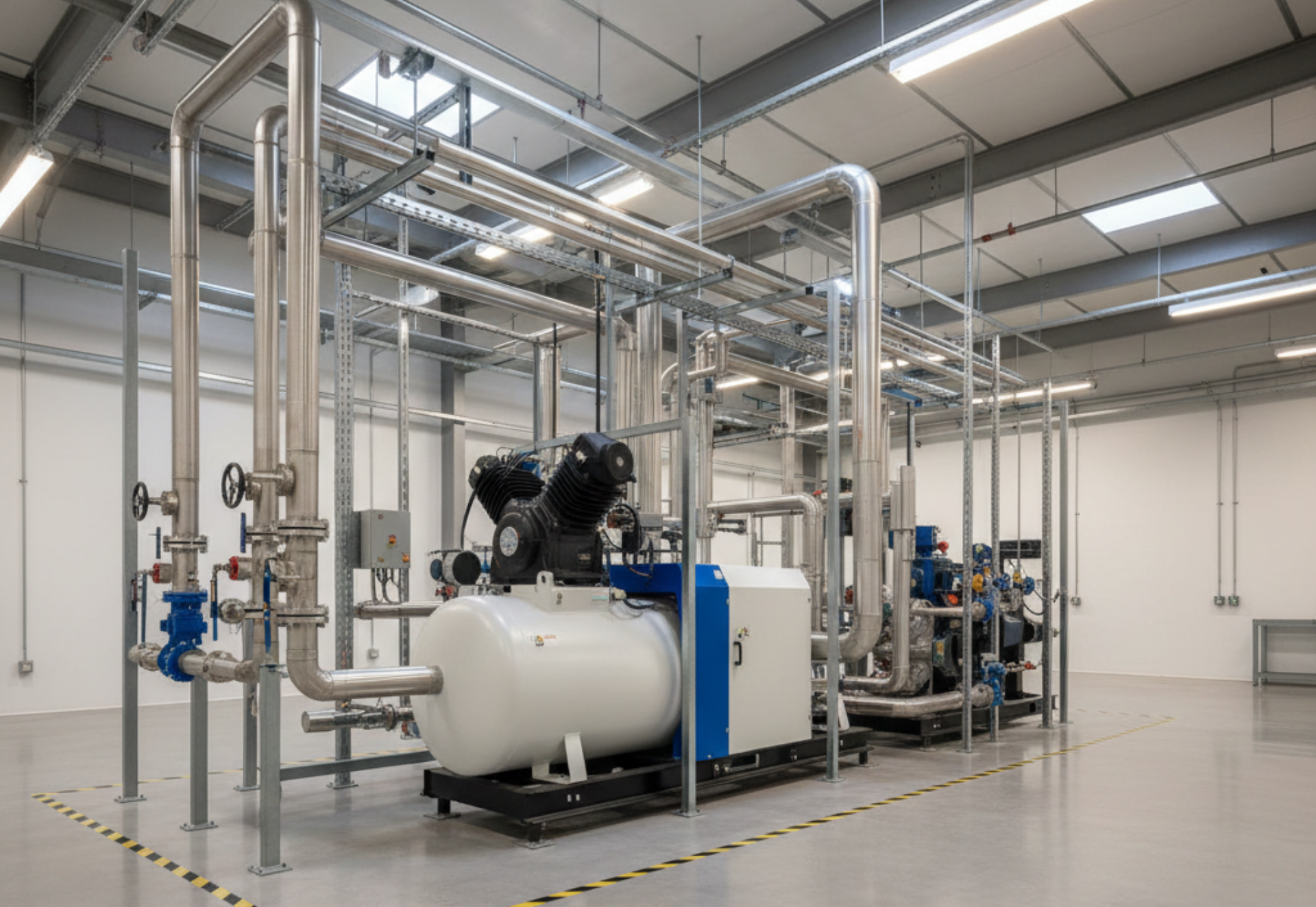
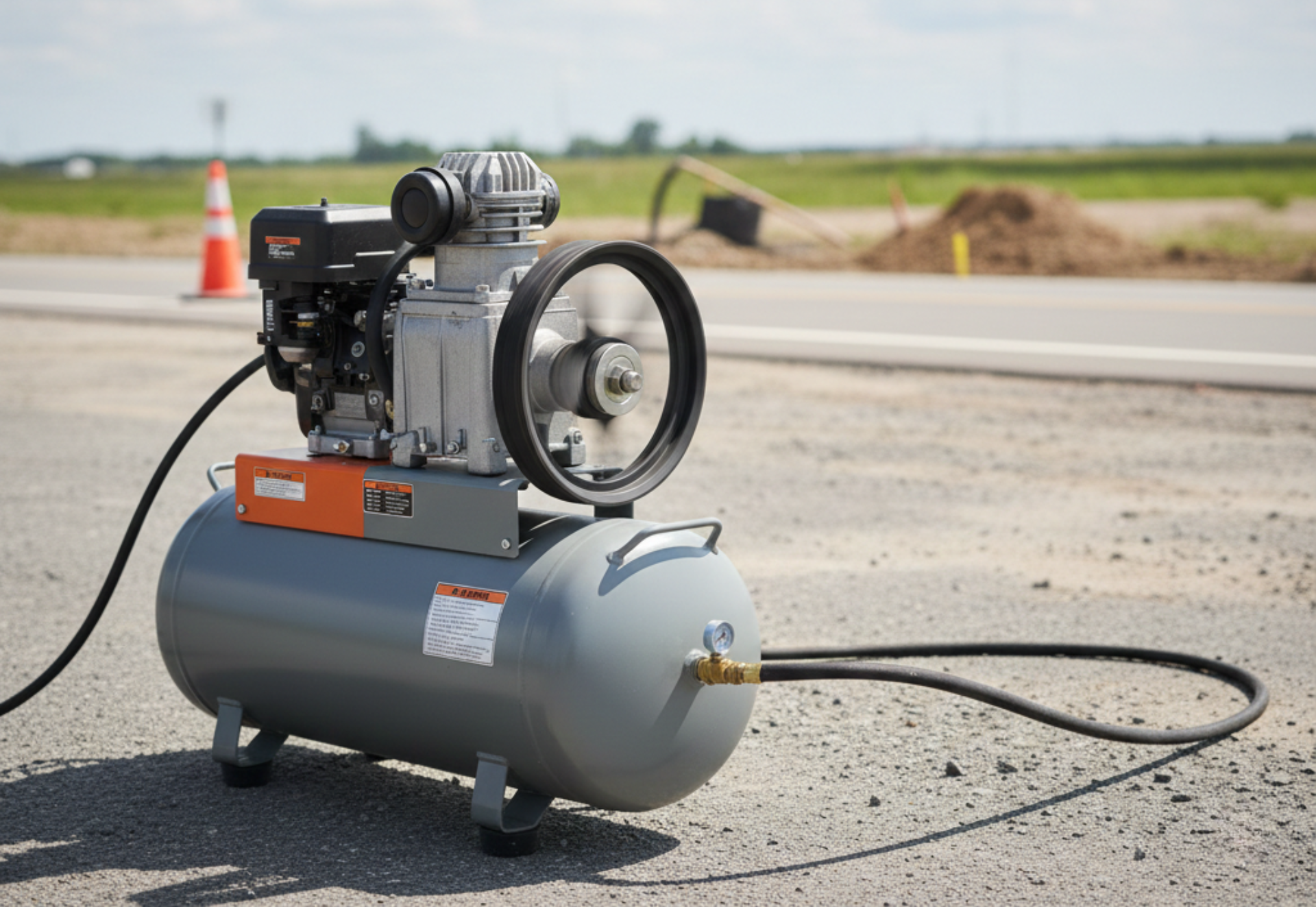
1. Medical Air Compressors
These systems provide:
- Clean, dry, medical-grade air
- Stable pressure for ventilators
- Airflow for surgical tools
- Breathing support in emergency rooms and ICUs
Medical-grade air requires oil-free compression, precise filtration, and constant monitoring to prevent contamination.
2. Medical Vacuum Systems
Vacuum systems support:
- Surgical suction
- Waste anesthetic gas disposal (WAGD)
- Sterile processing
- Laboratory environments
A failing vacuum pump can shut down an entire operating suite.
3. Environmental Control & Sterilization
Autoclaves, HVAC systems, and laboratory equipment rely on:
- Stable pressure
- Clean air
- Precision vacuum
Even minor fluctuations can affect sterilization logs or lab sample accuracy.

Choosing the Right Medical Equipment: Engineering-Level Considerations
Selecting medical equipment isn’t only about brand or cost; it’s about matching the equipment to clinical demands, standards, and operational realities. Here’s the criteria healthcare engineers must evaluate:
1. Clinical Need & Workload
- How often will the device run?
- Is it required for critical care or general use?
- Does the workload demand redundancy?
High-utilization devices (e.g., ventilators) require greater durability and service flexibility.
2. Safety & Compliance Requirements
Ensure compliance with:
- Local healthcare codes
- NFPA 99
- ISO standards
- Manufacturer documentation
Noncompliance can lead to shutdowns during audits and accreditation reviews.
3. Supporting Infrastructure
Even the best medical equipment fails if paired with poor facility systems.
You must evaluate:
- Medical air compressors
- Central vacuum systems
- Backup power
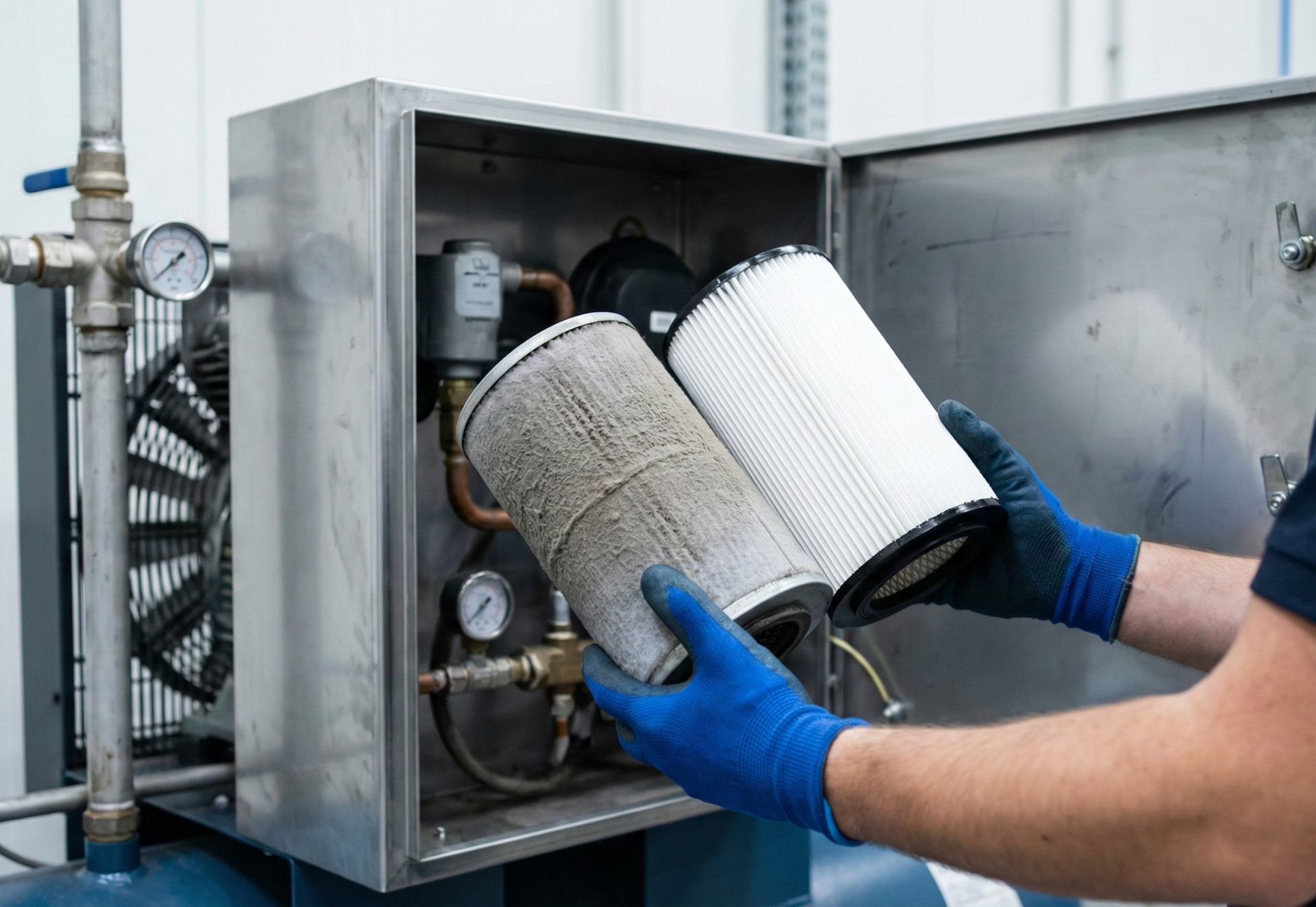
- Filtration
- Piping integrity
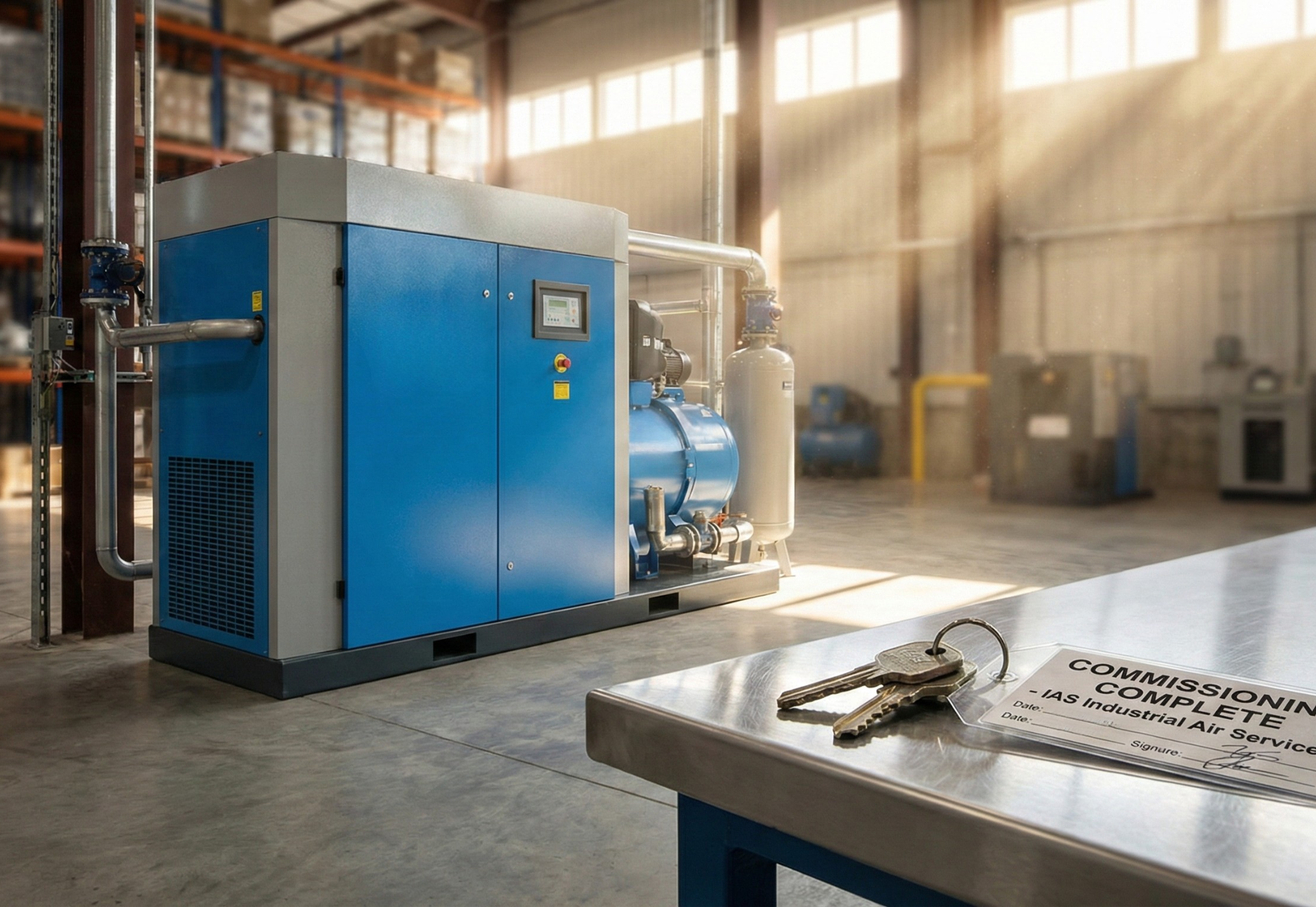
Industrial Air Services specializes in ensuring this infrastructure remains compliant and operational.
4. Total Cost of Ownership (TCO)
More than the purchase price, TCO includes:
- Maintenance
- Energy usage
- Filter and part replacements
- Downtime risk
- Expected lifespan
Healthcare facilities that plan TCO properly reduce emergency repair costs by 30–40%.
Why Reliability Isn’t Optional in Healthcare
Unlike industrial plants, where delays affect production schedules, equipment failure in healthcare affects human lives. That’s why the most successful facilities partner with mechanical service providers that deliver:
- 24/7 responsiveness
- OEM-certified maintenance
- Preventive diagnostics
- Rapid part replacement
- System monitoring
- Compliance support during audits
This is where Industrial Air Services strengthens healthcare operations.
Protect Patient Safety With Reliable Medical Equipment Support
Whether you’re upgrading equipment, expanding your facility, or improving compliance across your medical air and vacuum systems, you need a partner who understands healthcare standards at the engineering level.
Visit Industrial Air Services to learn how we support hospitals, clinics, and surgical centers with medical-grade air solutions.
Your facility’s uptime matters, and so do the lives depending on it.
FAQs
1. What is the most important factor when choosing medical equipment?
The most important factor is compliance with healthcare safety standards such as ISO, FDA regulations, and NFPA 99. These ensure the equipment is safe, reliable, and approved for clinical use.
2. How often should medical air and vacuum systems be inspected?
Medical air compressors and vacuum systems should be inspected monthly, with full preventive maintenance performed quarterly. Systems supporting critical care may require even more frequent testing.
3. Why is medical-grade air different from industrial compressed air?
Medical-grade air meets strict purity standards (ISO 8573-1 and NFPA 99). It must be oil-free, dry, clean, and continuously monitored. Industrial air does not meet these requirements and can be unsafe for patients.