175 PSI Gas Air Compressors Under 15 HP: High-Pressure Performance for Demanding Job Sites
When compressed air is needed in remote, rugged, or power-limited environments, electric compressors simply aren’t enough. That’s where 175 PSI gas air compressors under 15 HP prove their value. These compact, high-pressure systems deliver serious performance without relying on grid power, making them indispensable across construction, maintenance, industrial service, and emergency response operations.
This guide breaks down how these compressors work, what makes them effective, and how to choose the right configuration for real-world jobsite demands, not just spec sheets.
What Is a 175 PSI Gas Air Compressor Under 15 HP?
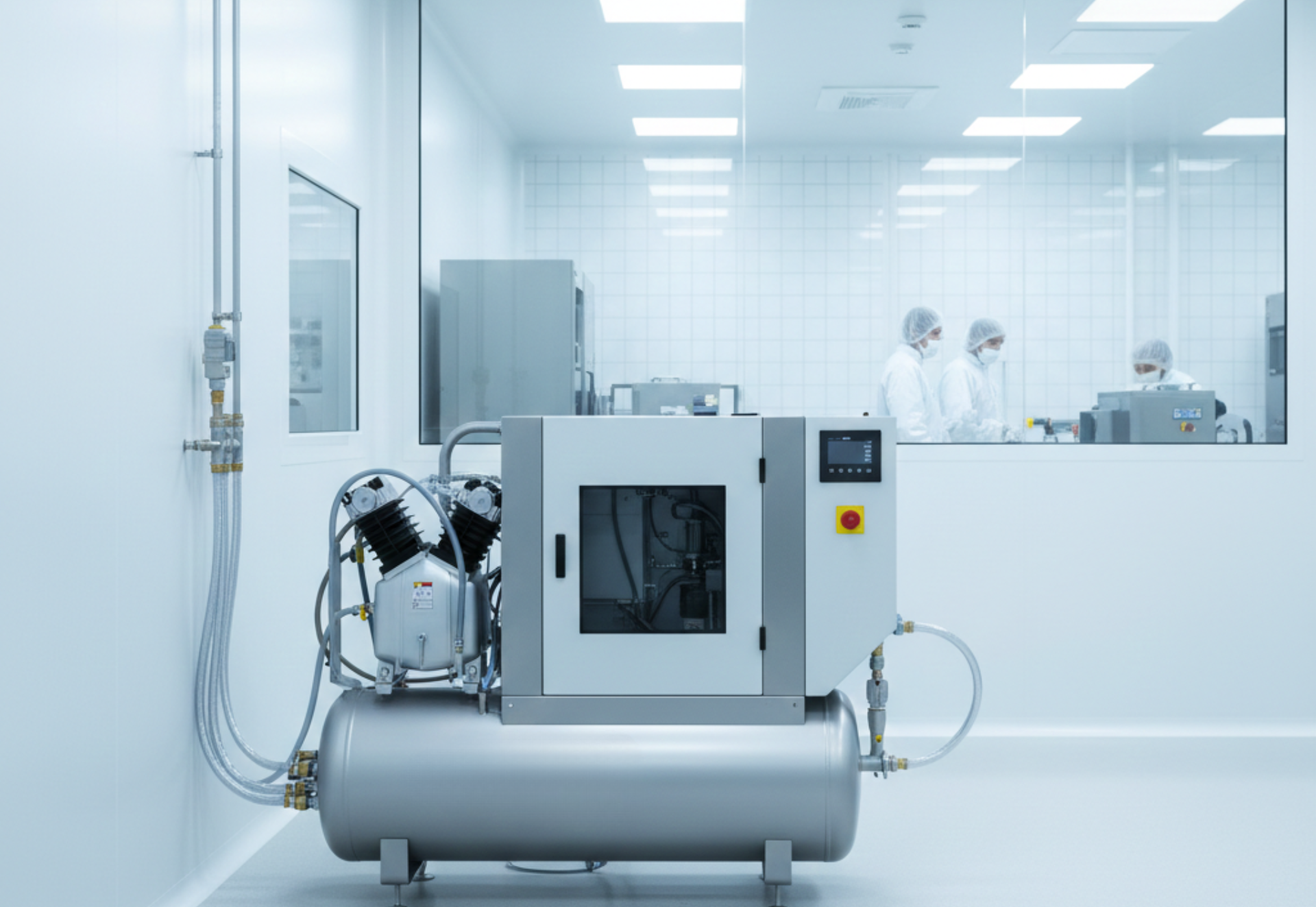
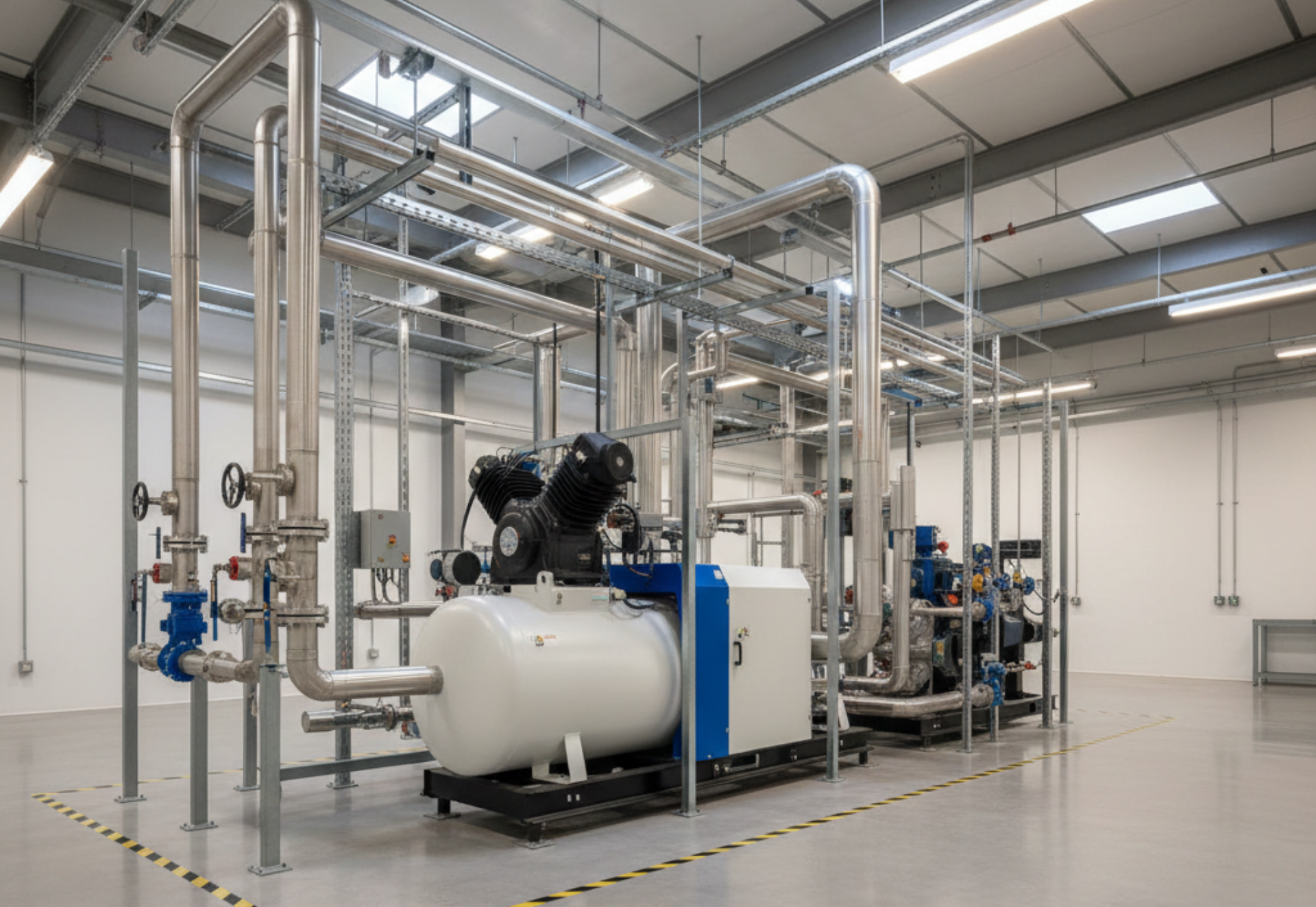
A 175 PSI gas air compressor is a portable or semi-portable compressed air system capable of delivering air pressures up to 175 pounds per square inch using a gasoline-powered engine. When paired with a motor under 15 horsepower, the result is a balanced machine designed for:
- Mobility
- High-pressure air delivery
- Moderate-to-heavy industrial use
- Operation without electrical infrastructure
Unlike standard 125–135 PSI compressors, 175 PSI units are built for tools and applications that demand higher pressure consistency, longer hose runs, or more force at the point of use.
Gas-powered compressors in this category often use two-stage compression, allowing air to be compressed twice before reaching the tank. This design improves efficiency, pressure stability, and durability, critical factors in harsh environments.
External references (for context):
Why 175 PSI Matters in the Field
Pressure isn’t just a number, it directly impacts tool performance, productivity, and reliability.
A 175 PSI compressor allows operators to:
- Maintain consistent pressure over long hose distances
- Power high-demand pneumatic tools without pressure drop
- Reduce cycle times for air-intensive applications
- Compensate for pressure loss in filters, dryers, and fittings
In field operations, pressure loss is inevitable. Higher starting PSI provides a buffer, ensuring tools still perform at optimal levels even when system inefficiencies exist.
For industrial users, this means:
- Fewer work stoppages
- Improved tool lifespan
- More predictable output
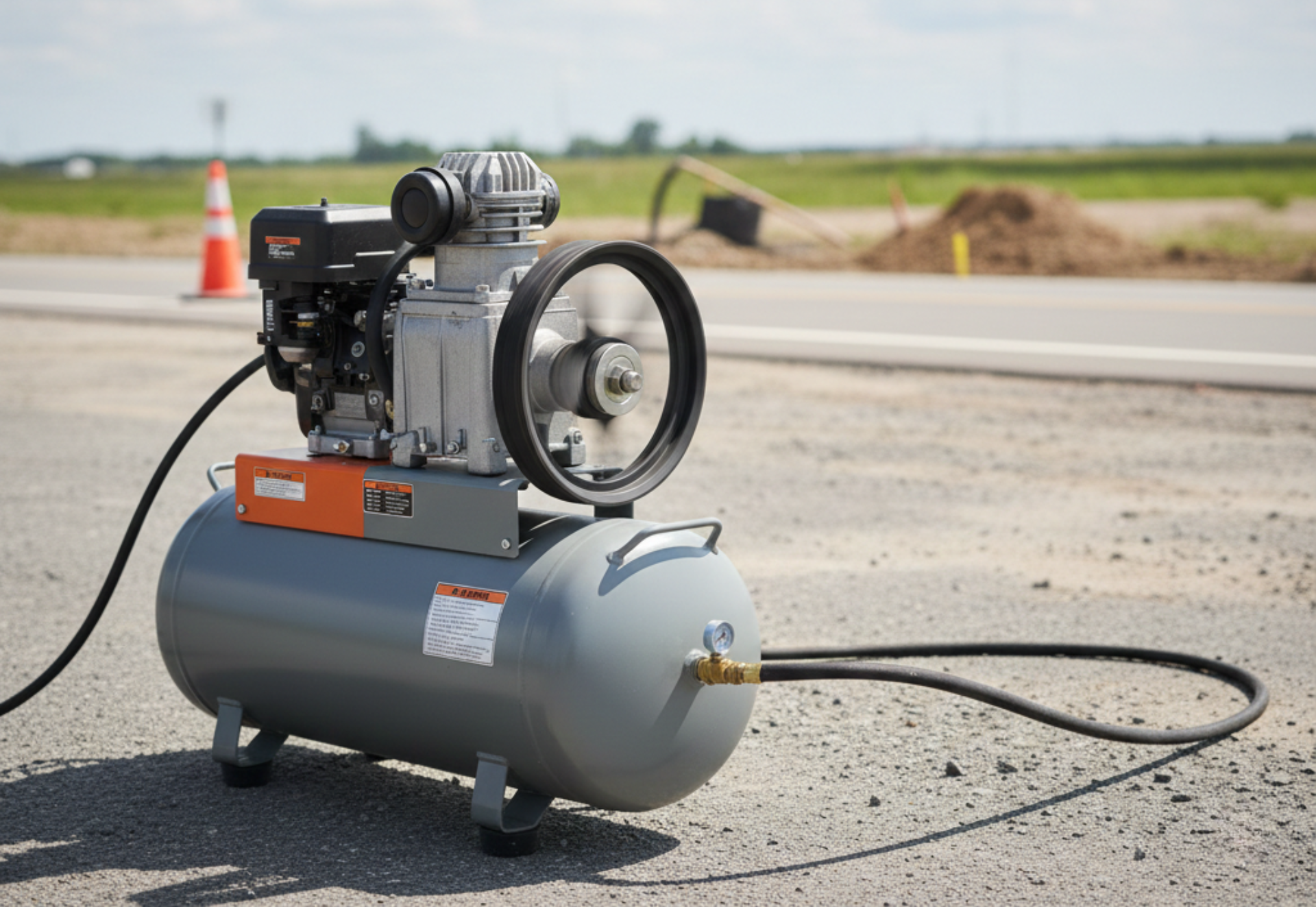
Gas-Powered vs Electric: Why Gas Wins Off-Grid
While electric compressors dominate controlled environments, gas air compressors are unmatched when power access is unreliable or nonexistent.
Key Advantages of Gas-Powered Systems
- Complete independence from electrical grids
- Faster deployment on temporary job sites
- Higher tolerance for outdoor and rough conditions
- Ideal for mobile service trucks and trailers
Electric compressors often require:
- Stable voltage
- Dedicated circuits
- Weather protection
Gas units remove those constraints. As long as fuel is available, compressed air remains accessible, making them ideal for infrastructure projects, oil & gas service, roadwork, and emergency repairs.
External references:
Understanding HP, PSI, and CFM (And Why Balance Matters)
One of the most misunderstood aspects of compressor selection is the relationship between horsepower (HP), pressure (PSI), and airflow (CFM).
Horsepower (HP)
HP determines how much work the engine can perform. Under 15 HP compressors strike a balance between:
- Portability
- Fuel efficiency
- Output capability
Pressure (PSI)
PSI represents force. Higher PSI enables:
- Greater tool torque
- Longer hose runs
- Reduced pressure drop
Airflow (CFM)
CFM determines volume. Insufficient airflow causes:
- Tool lag
- Overcycling
- Excessive wear
A well-designed 175 PSI gas compressor under 15 HP prioritizes system efficiency, ensuring PSI and CFM are matched to real operational demands—not just peak ratings.
External references:
Common Applications for 175 PSI Gas Air Compressors
These compressors are widely used in industries where uptime and mobility matter.
Construction & Infrastructure
- Jackhammers
- Nail guns
- Concrete spraying
- Roadwork tools
Industrial Maintenance & Repair
- Impact wrenches
- Air ratchets
- Sandblasting
- Pipe cleaning
Oil, Gas & Utility Services
- Valve actuation
- Pressure testing
- Remote equipment servicing
Emergency & Disaster Response
- Temporary air supply
- Mobile repair units
- Backup compressed air systems
Their versatility makes them a workhorse solution rather than a niche tool.
External references:
Key Design Features to Look For
Not all compressors are built the same. For long-term reliability, focus on these critical components:
Two-Stage Compression
Improves efficiency and reduces operating temperatures.
Cast-Iron Pump Construction
Enhances durability under continuous use.
Heavy-Duty Gas Engine
Engines from reputable manufacturers ensure consistent torque and longer service life.
Oversized Aftercoolers
Lower discharge temperatures reduce moisture and protect downstream tools.
Fuel Efficiency & Duty Cycle
Optimized fuel consumption lowers operating costs over time.
Maintenance Considerations for Maximum Uptime
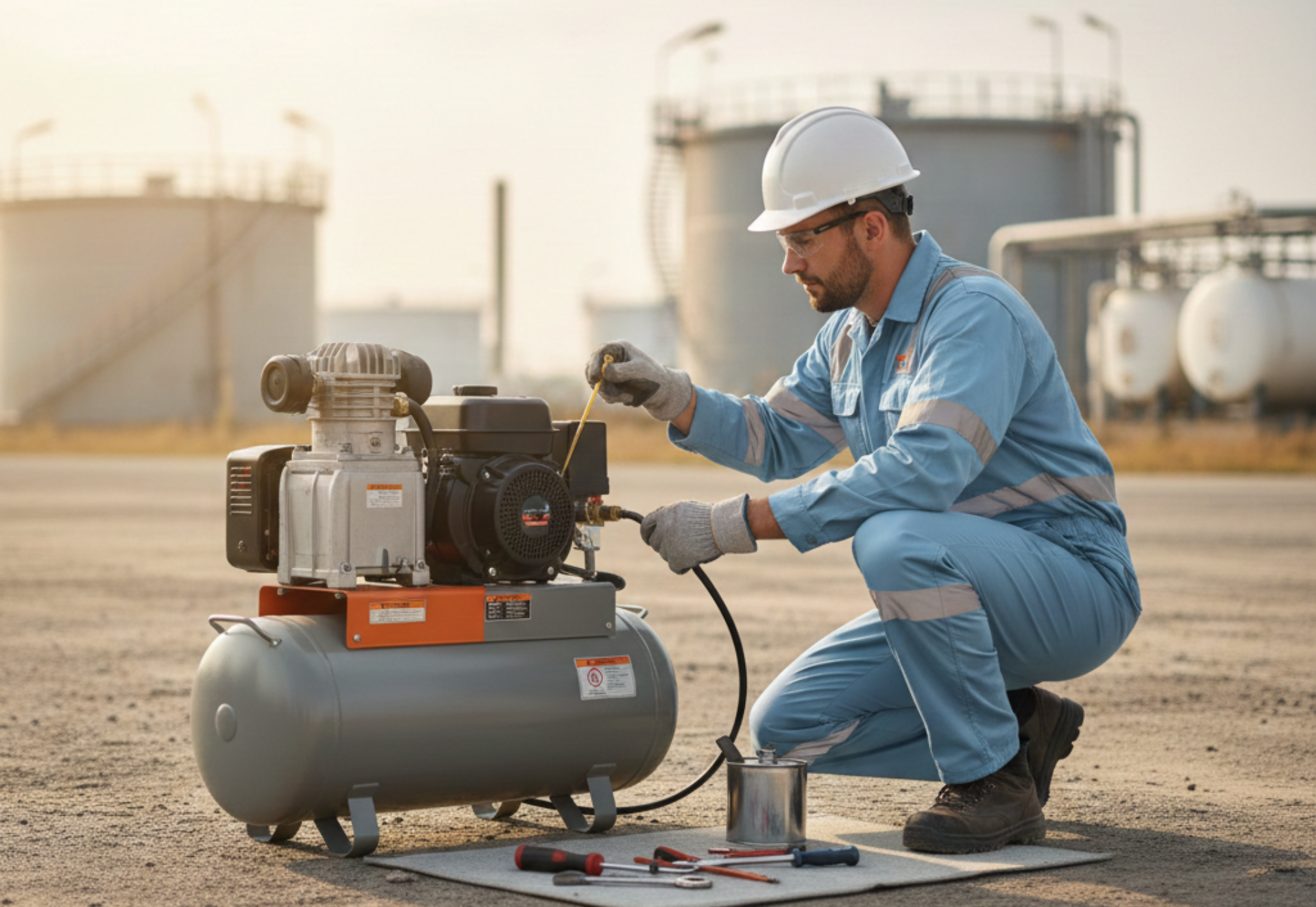
Gas-powered compressors require proactive maintenance, especially in industrial conditions.
Best practices include:
- Regular oil changes
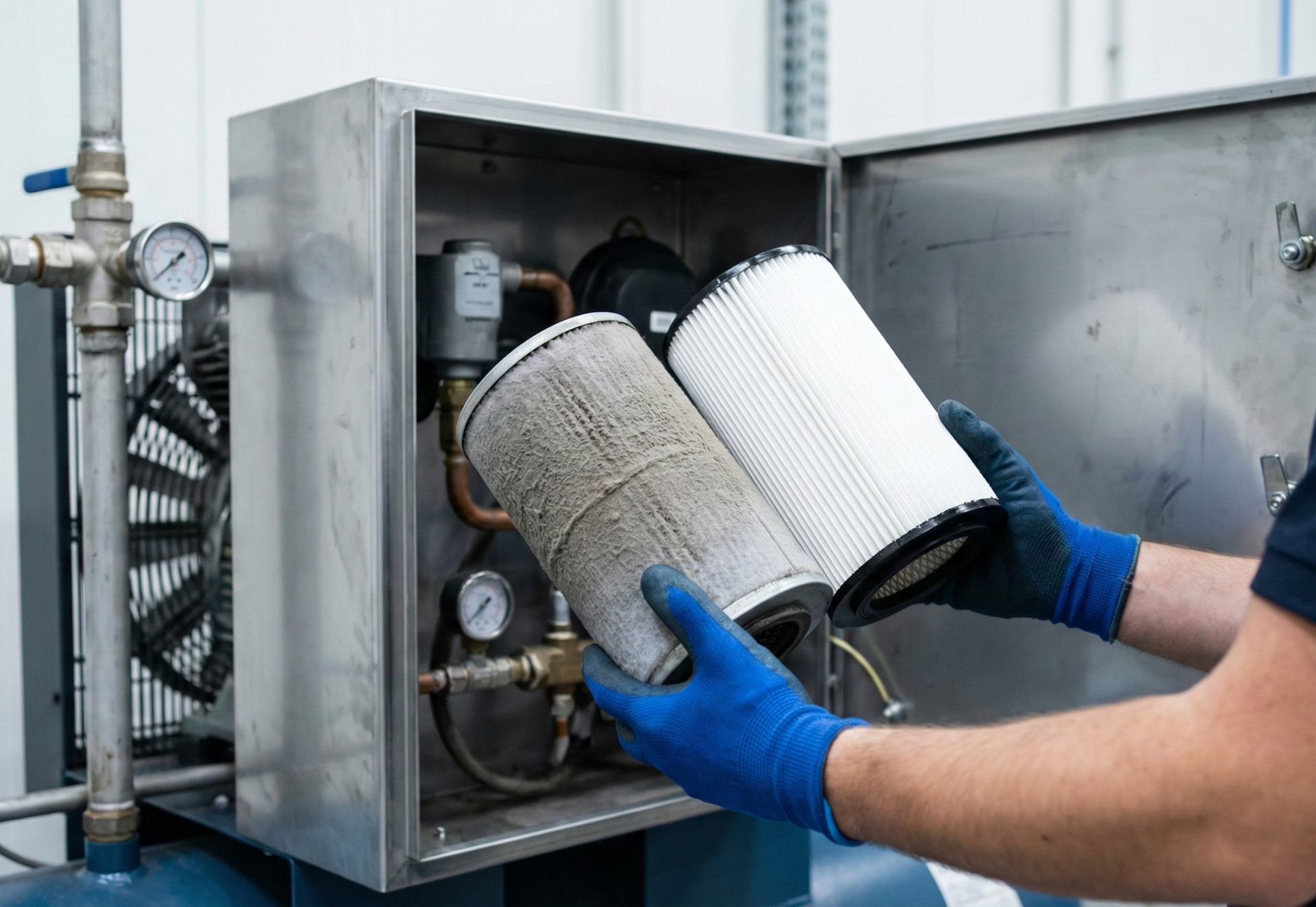
- Air filter inspection and replacement
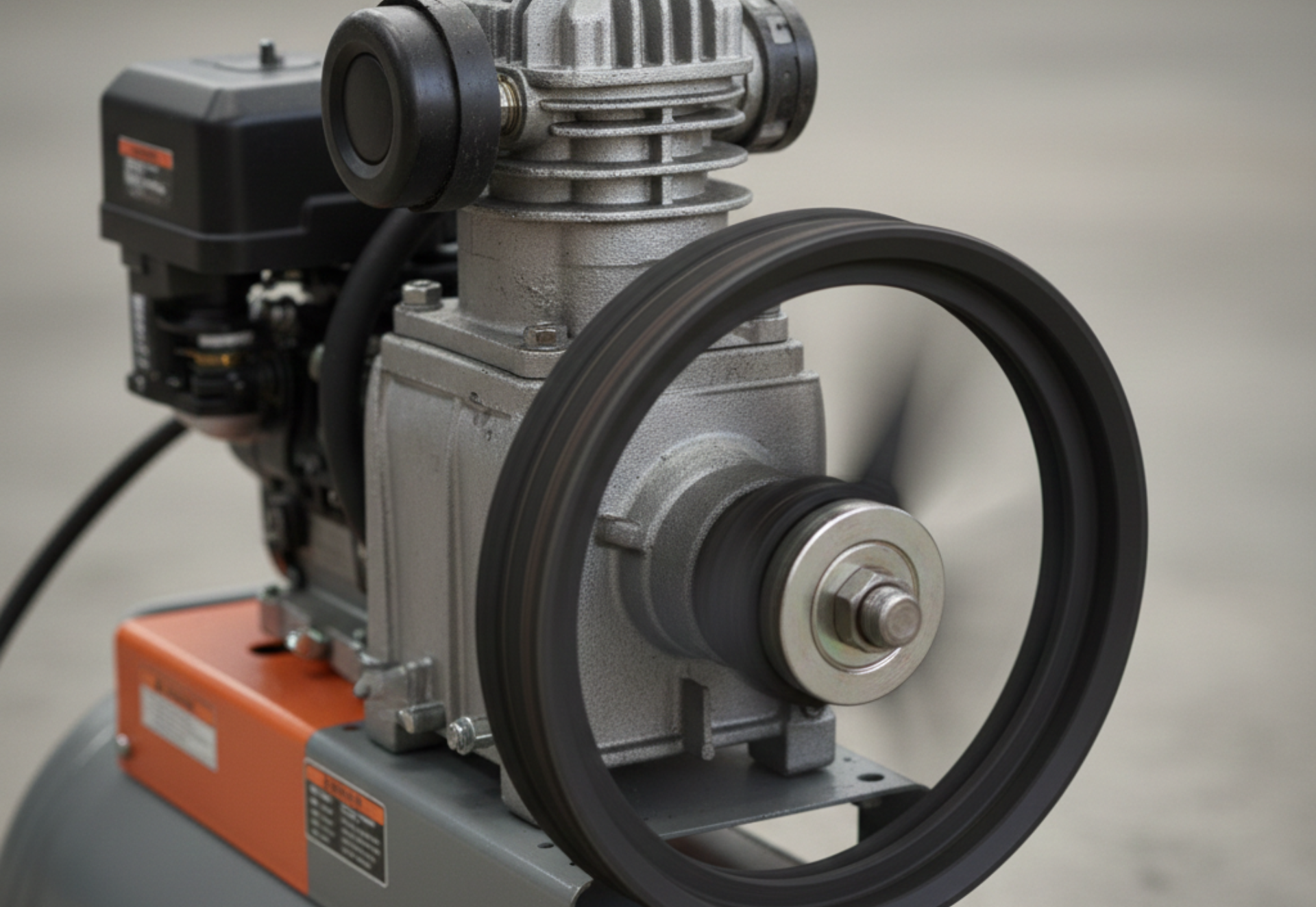
- Belt tension checks
- Monitoring operating temperature
- Draining moisture from tanks
Neglecting maintenance leads to:
- Reduced pressure output
- Engine wear
- Unexpected downtime
A disciplined maintenance schedule protects both performance and investment.
Choosing the Right Compressor for Your Jobsite
Before purchasing or deploying a unit, evaluate:
- Required tool PSI and CFM
- Duty cycle demands
- Jobsite mobility needs
- Environmental conditions
- Long-term operating costs
The right compressor isn’t the biggest or most powerful; it’s the one properly sized for your application.
Industrial Air Services approaches compressor selection as a
system decision, not a single piece of equipment.
Frequently Asked Questions
1. Is 175 PSI necessary for most pneumatic tools?
Not always, but it provides a margin of safety against pressure loss, ensuring consistent performance for high-demand applications.
2. Are gas air compressors louder than electric ones?
Yes, generally. However, modern designs incorporate mufflers and vibration isolation to reduce operational noise.
3. How long can a gas compressor run continuously?
This depends on engine quality, cooling design, and maintenance. Well-maintained units can operate for extended periods within rated duty cycles.
Why Industrial Air Services Is the Right Partner
Compressed air systems are more than equipment; they’re infrastructure. Poor selection leads to inefficiency, downtime, and rising operational costs.
Industrial Air Services delivers:
- Expert system evaluation
- Application-specific recommendations
- Long-term reliability planning
- Industrial-grade support
Whether you’re sourcing a new compressor or optimizing an existing setup, IAS ensures your air system works as hard as you do.
Need help selecting the right 175 PSI gas air compressor under 15 HP for your operation?
Talk to compressed air professionals who understand real-world jobsite demands.