Oil-Injected Compressors: How They Work, Benefits, and Industrial Use Cases
When industrial operators search for an oil-injected compressor, they’re usually comparing options, not browsing.
They’re asking:
- Will this system hold up under load?
- Is it reliable enough for continuous operation?
- What are the maintenance realities long-term?
At Industrial Air Services (IAS), we work with Texas facilities where compressed air isn’t optional; it’s a core utility. Oil-injected compressors remain one of the most widely used solutions in industrial environments because they balance durability, efficiency, and cost-effectiveness when applied correctly.
This guide explains how oil-injected compressors work, where they perform best, and how to decide if they’re the right fit for your operation.
What Is an Oil Injected Compressor?
An oil-injected compressor uses lubricating oil inside the compression chamber to:
- Seal internal clearances
- Reduce friction and wear
- Absorb and remove heat
- Improve overall compression efficiency
Most oil-injected systems are rotary screw compressors, designed for continuous-duty industrial use. The oil is injected during compression, then separated from the air downstream before the air enters the system.
This design allows oil-injected compressors to operate reliably under high load, long run hours, and demanding industrial conditions.
How Oil-Injected Compressors Work in Practice
In real-world operation, oil-injected compressors function as an integrated loop:
- Air enters the compression chamber
- Oil is injected to seal, cool, and lubricate
- Air and oil exit together
- Oil is separated, filtered, and reused
- Clean compressed air moves downstream
This cycle repeats continuously, often for thousands of hours per year.
The result is a compressor that can run hard without overheating, provided it’s installed and maintained correctly.
Why Oil Injection Improves Reliability
Heat and friction are the primary enemies of compressed air equipment.
Oil-injected compressors manage both effectively:
- Oil absorbs compression heat
- Lubrication reduces mechanical wear
- Sealing improves efficiency and pressure stability
Compared to dry-running designs, oil-injected compressors typically experience lower internal stress during heavy-duty operation.
That’s why they remain common in:
- Manufacturing plants
- Fabrication shops
- Packaging and processing facilities
- Industrial production lines
Oil Injected vs. Oil-Free Compressors: The Real Comparison
This decision isn’t about which technology is “better.” It’s about application requirements.
Oil-injected compressors Are Best When:
- Continuous-duty operation is required
- Heavy industrial loads are present
- Budget efficiency matters
- Small amounts of residual oil are acceptable downstream
Oil-Free Compressors Are Preferred When:
- Zero oil contamination is mandatory
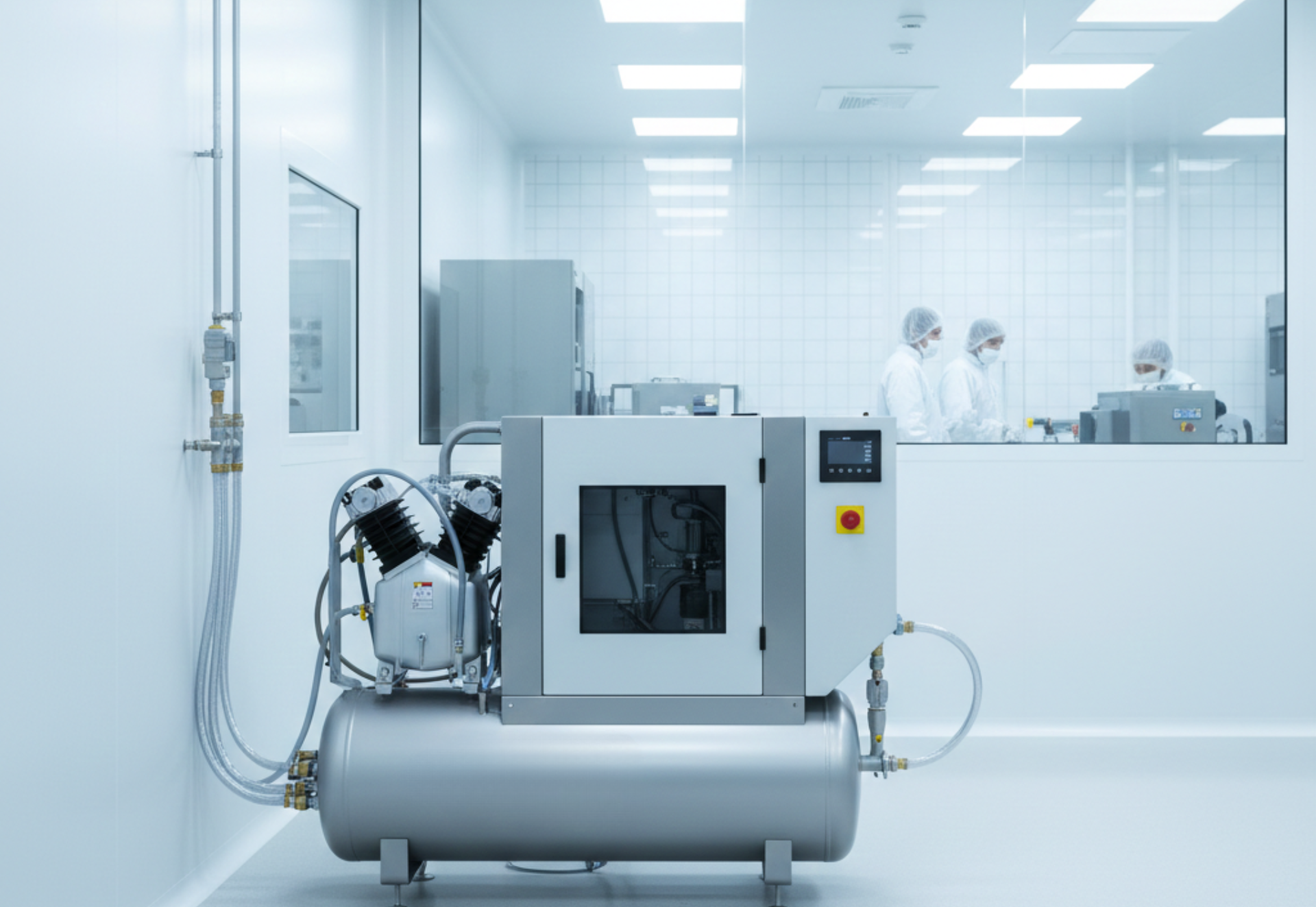
- Air contacts products directly (pharma, electronics)
- Regulatory requirements demand oil-free air
According to the International Organization for Standardization, compressed air quality classes define acceptable oil content depending on application; not all industries require oil-free air.
IAS helps facilities choose based on actual air quality needs, not assumptions.

Energy Efficiency Considerations
Compressed air is one of the most energy-intensive utilities in industrial facilities.
The U.S. Department of Energy notes that compressor efficiency depends heavily on:
- System design
- Operating conditions
- Maintenance quality
Oil-injected compressors often achieve strong efficiency because:
- Internal sealing reduces leakage
- Heat management improves compression stability
- Variable speed options match output to demand
When paired with proper controls and servicing, oil-injected compressors deliver competitive energy performance over long operating hours.
Maintenance Realities: What Operators Need to Know
Oil-injected compressors are durable, but not maintenance-free.
Proper servicing includes:
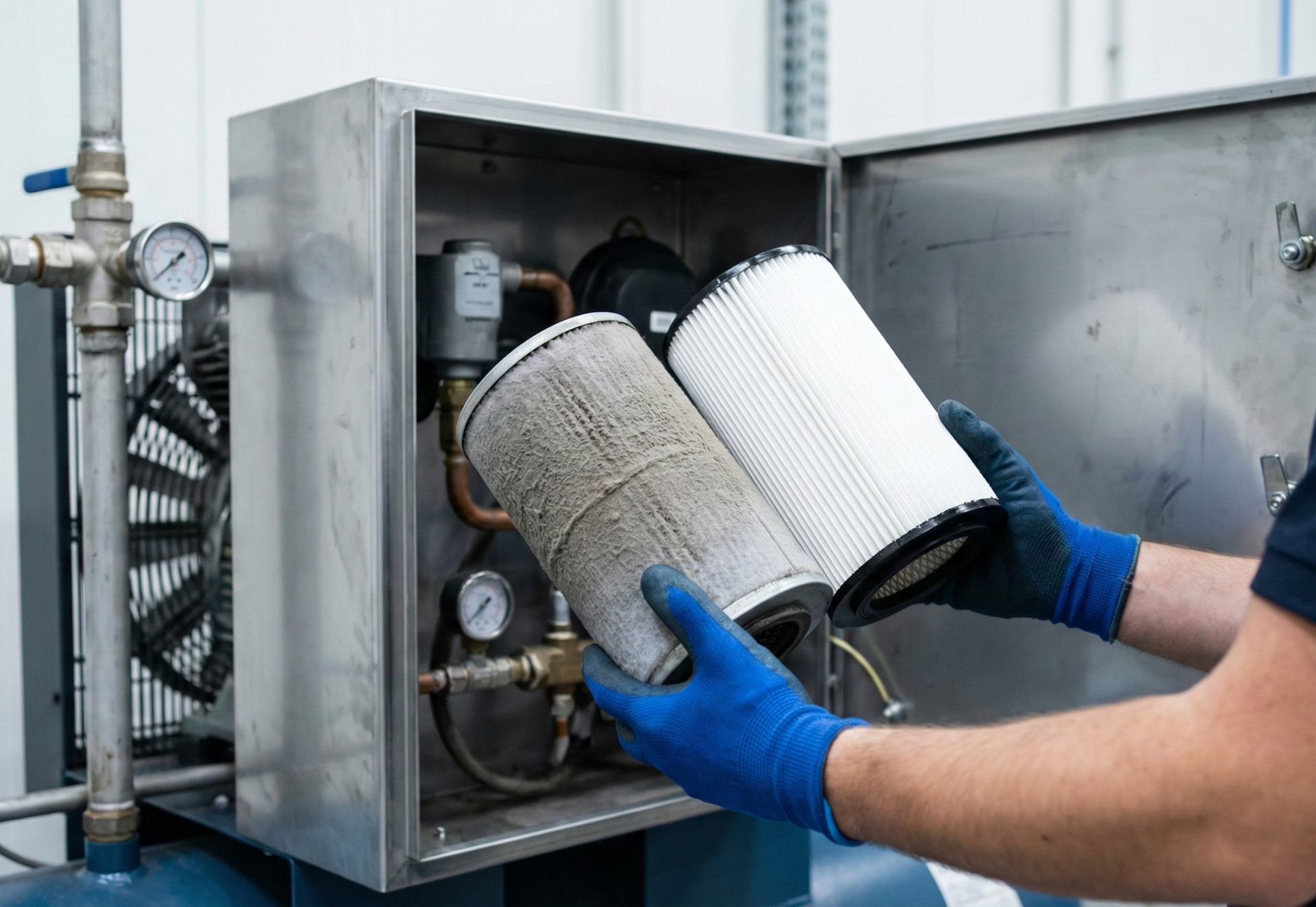
- Regular oil and filter changes
- Separator element inspection
- Oil quality monitoring
- Leak detection
- Temperature and pressure checks
Organizations like the Compressed Air Challenge emphasize that neglected maintenance leads to energy waste, oil carryover, and premature failures.
At IAS, we see most oil injected compressor issues traced back to missed service intervals or improper oil management, not design flaws.
Common Misconceptions About Oil-Injected Compressors
“Oil injected compressors contaminate everything.”
Modern separation systems remove the vast majority of oil before air reaches downstream equipment. When air quality requirements are understood and filtration is sized correctly, contamination risk is controlled.
“Oil-free is always better.”
Oil-free systems are necessary for certain industries—but they come with higher upfront costs and different maintenance considerations. Many facilities don’t need oil-free air and pay for capacity they never use.
“Maintenance is optional if the compressor runs fine.”
Most failures develop quietly. By the time performance drops, damage is already done.
Installation Matters More Than the Technology
Even the best oil-injected compressor will struggle if the installation is poor.
Common installation mistakes include:
- Inadequate ventilation
- Poor oil cooling
- Improper electrical supply
- Restrictive piping layouts
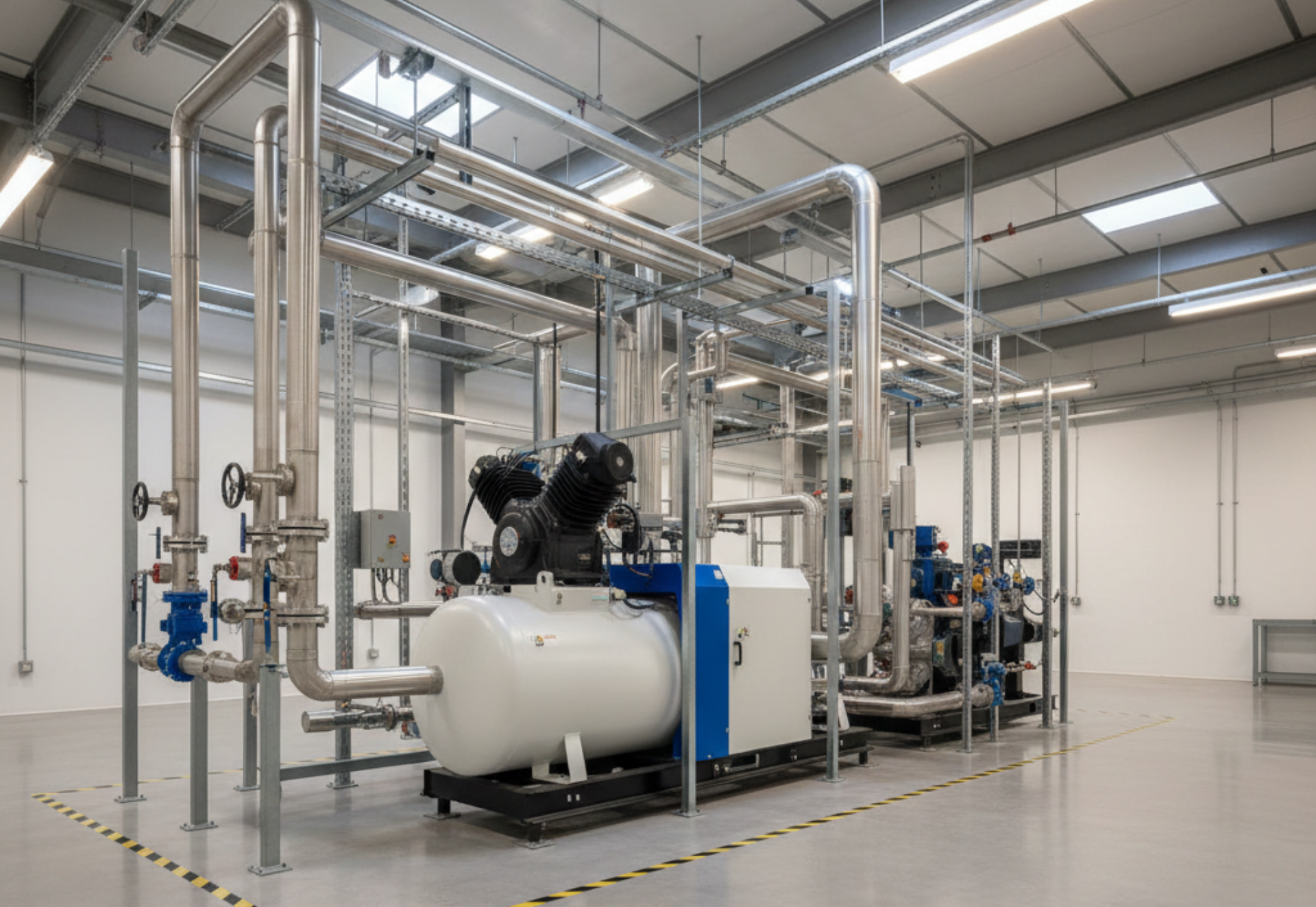
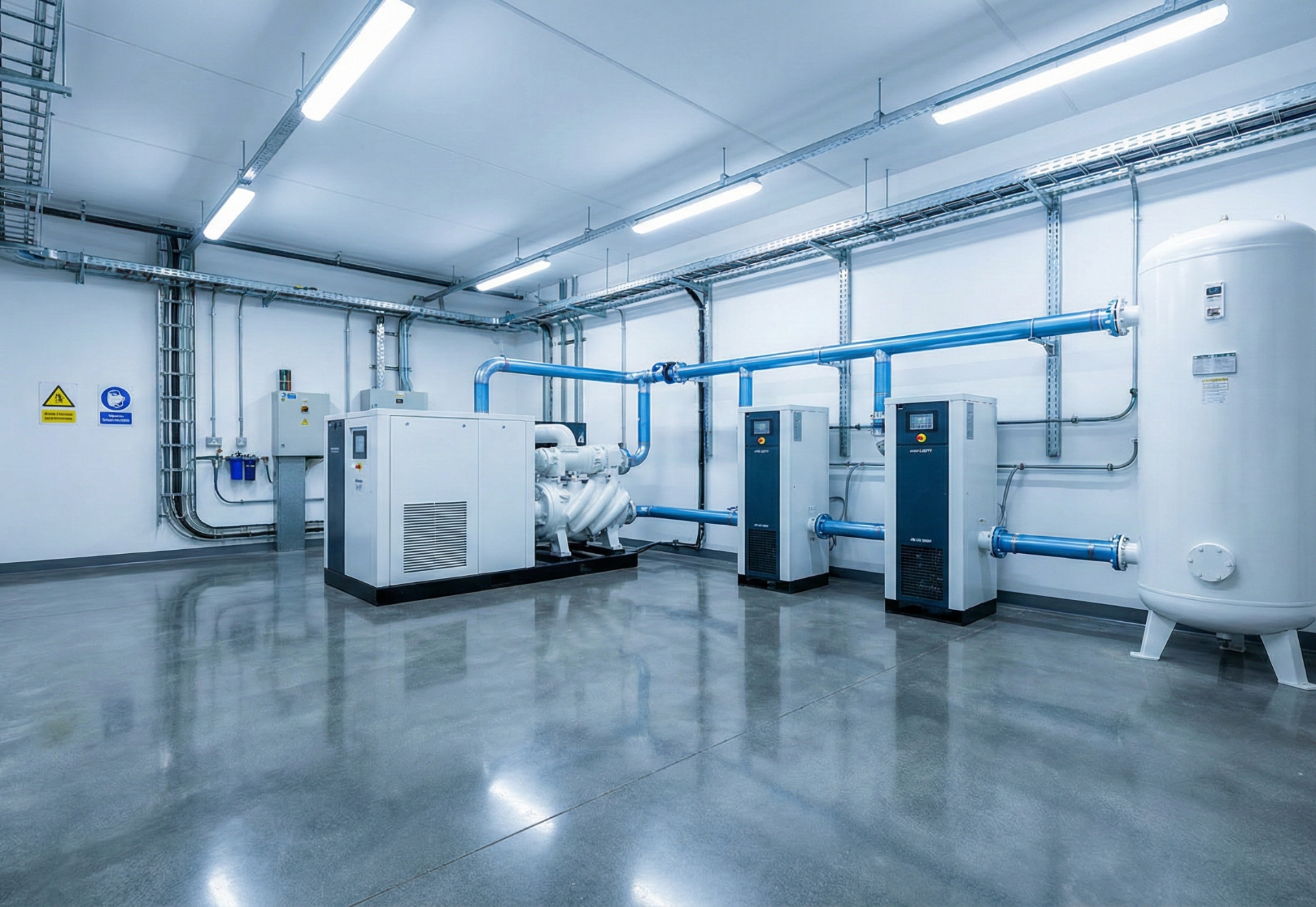
IAS installs oil-injected compressors as part of a complete system, airflow, cooling, electrical, and controls working together.
Typical Applications for Oil-Injected Compressors
Oil injected compressors are commonly used in:
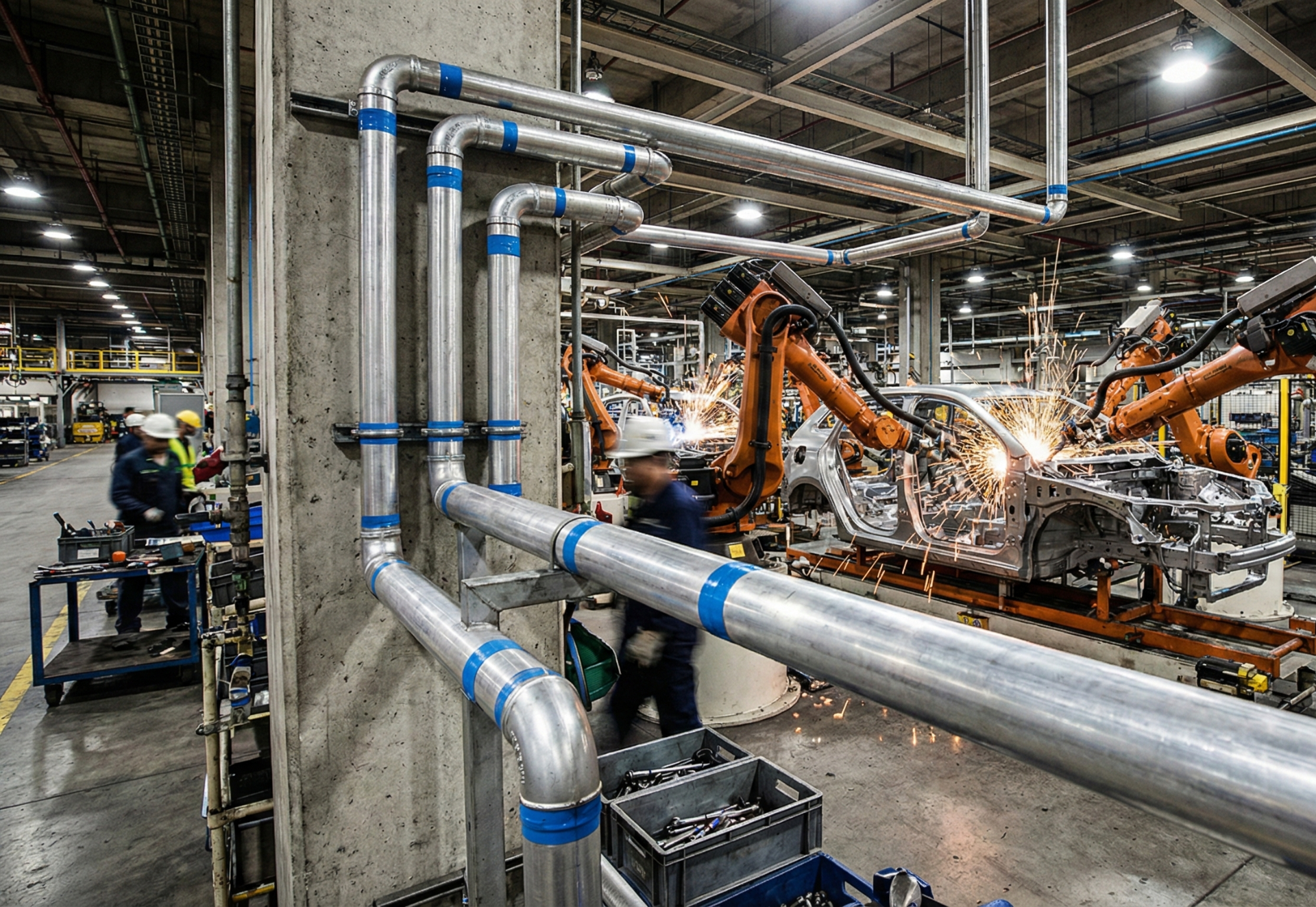
- Automotive manufacturing
- Metal fabrication
- Plastics processing
- Packaging and materials handling
- General industrial production
These environments share one requirement: reliable, continuous compressed air.
Why Industrial Air Services Is the Right Partner
Selecting an oil-injected compressor is only the first step.
Industrial Air Services supports facilities with:
- Compressor selection and system design
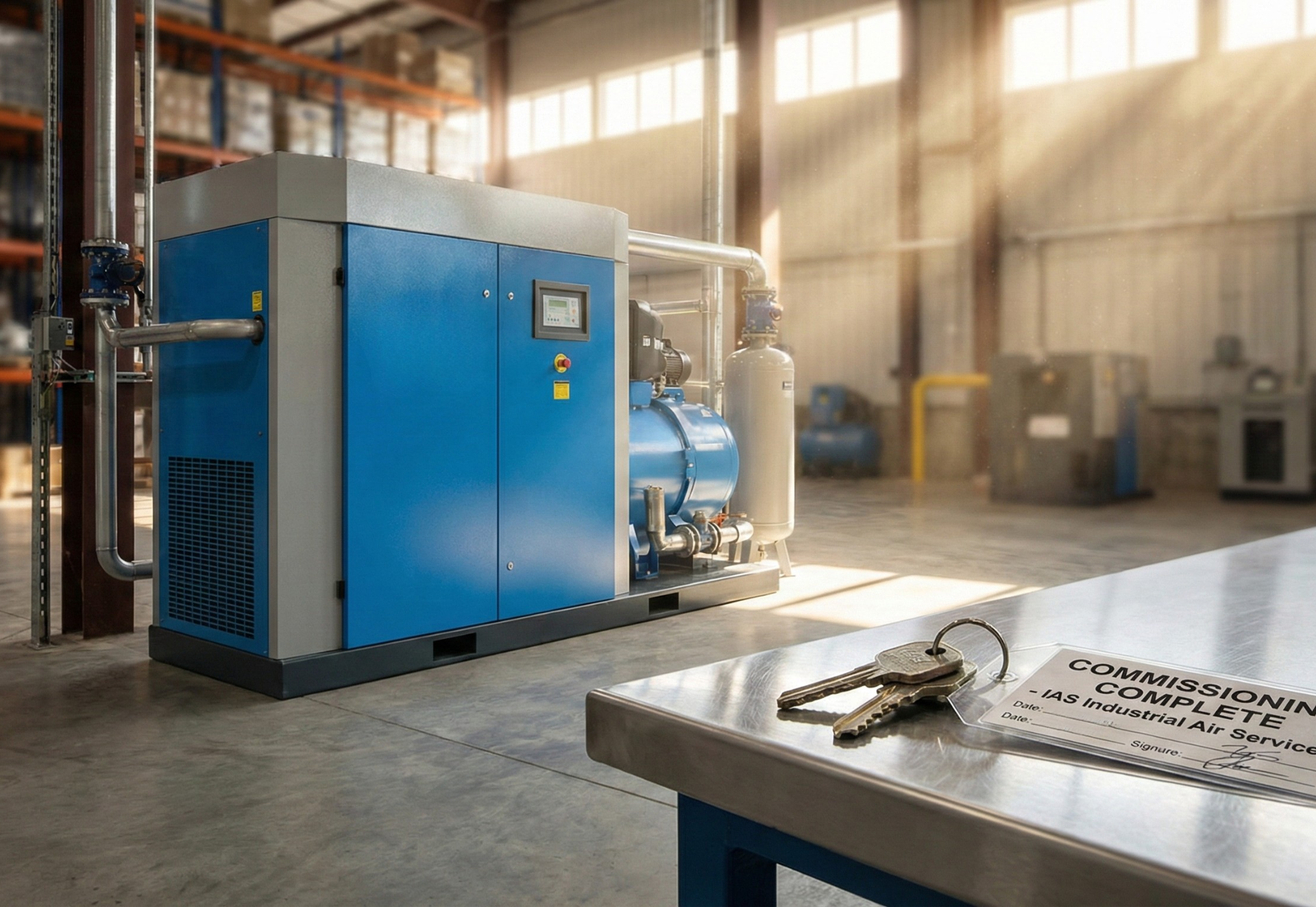
- Professional installation and commissioning
- Preventive maintenance programs
- Repair and troubleshooting support
- Long-term system optimization
We don’t push equipment, we design solutions that work under real operating conditions.

Frequently Asked Questions
1. Do oil injected compressors require more maintenance than oil-free?
They require different maintenance. Oil injected systems need oil management and separator servicing, while oil-free systems require tighter tolerances and different component care. Neither is “maintenance-free.”
2. Is oil injected air safe for industrial use?
Yes, when properly filtered and maintained. Most industrial applications operate well within acceptable air quality standards for oil injected systems.
3. How long do oil injected compressors last?
With proper installation and servicing, oil injected compressors commonly operate 15–20 years or more in industrial environments.
Choose the Right Compressor, And the Right Partner
If you’re evaluating an oil-injected compressor or questioning whether your current system is the right fit, don’t guess.
Industrial Air Services helps Texas facilities:
- Select the correct compressor technology
- Install systems that perform under load
- Maintain reliability year after year
- Reduce long-term operating costs
Contact IAS today to talk with experienced professionals who understand industrial compressed air beyond the brochure.