Industrial Air Compressors in San Antonio: Choosing the Right System for Long-Term Reliability
Industrial air compressors are not commodity equipment. They are production assets that directly impact uptime, energy consumption, and operational stability. In San Antonio, where facilities operate under high heat, extended duty cycles, and demanding industrial conditions, selecting the right industrial air compressor is a strategic decision, not a purchasing task.
This guide is designed for plant managers, operations leaders, and decision-makers evaluating industrial air compressors in San Antonio. It focuses on system reliability, lifecycle cost, and performance, not just horsepower and price tags.
Why Industrial Air Compressors Are Critical to San Antonio Operations
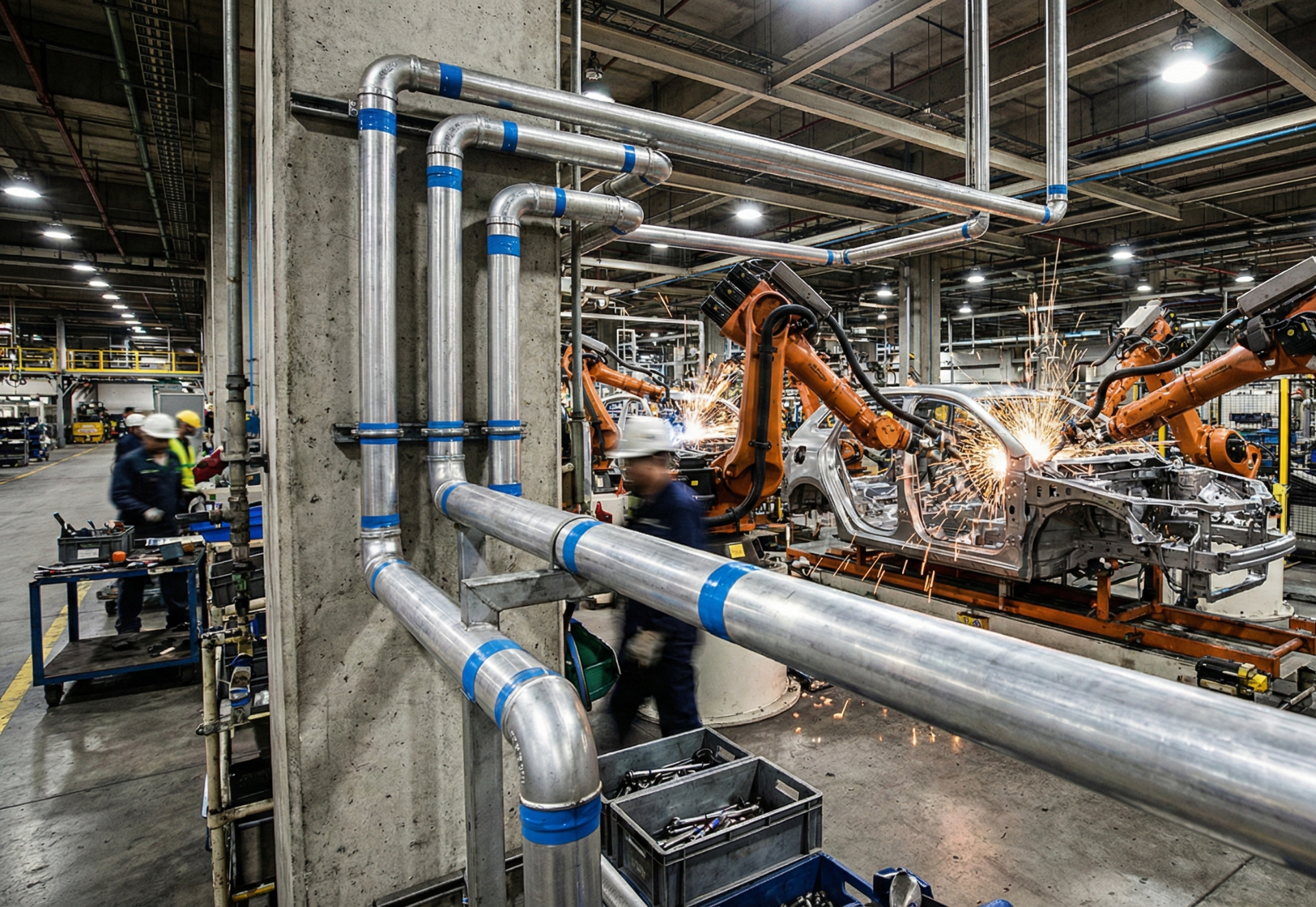
Industrial air compressors power core functions across manufacturing, fabrication, food processing, logistics, utilities, and construction support. They drive automation, pneumatic tooling, material handling, and control systems that keep facilities running safely and efficiently.
Unlike consumer or light commercial units, industrial compressors are designed for:
- Continuous or near-continuous operation
- Stable pressure under variable demand
- Integration into complex air systems
- Long service life with planned maintenance
In South Texas, environmental stressors such as heat and humidity magnify system weaknesses. Compressors that are undersized, poorly controlled, or improperly maintained often fail prematurely—leading to downtime that far outweighs the initial cost savings.
External reference (Section 1 of 3):
Understanding Industrial Air Compressor Types
Choosing the correct compressor begins with understanding how different designs perform under industrial loads.
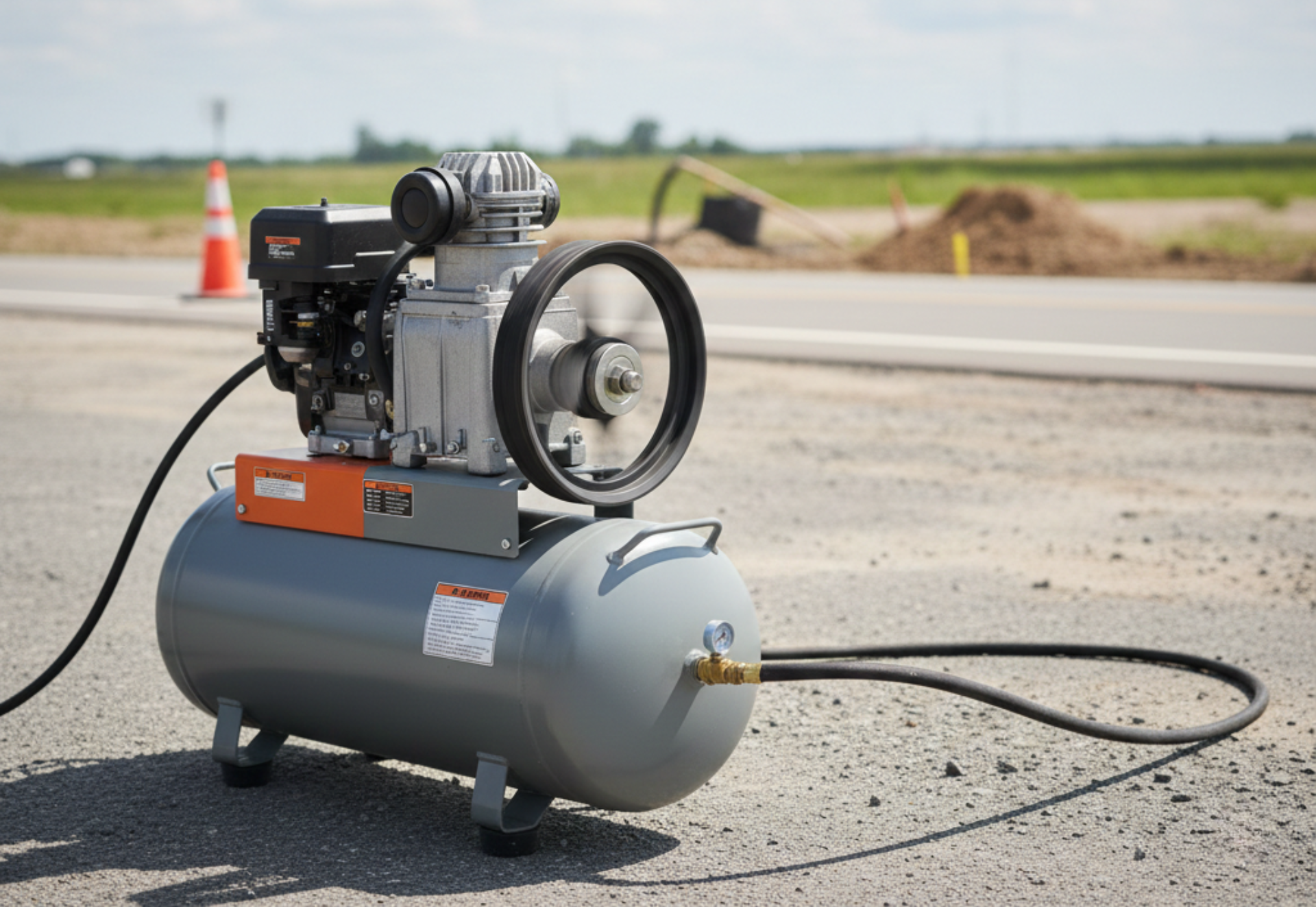
Reciprocating (Piston) Compressors
Best suited for intermittent use and lower duty cycles. While durable, they are less efficient for continuous industrial demand.
Rotary Screw Compressors
The most common choice for industrial facilities. These compressors deliver:
- Continuous airflow
- High efficiency
- Stable pressure output
- Lower operating temperatures
Oil-Flooded vs Oil-Free
- Oil-flooded compressors offer durability and cost efficiency for general industrial use.
- Oil-free compressors are critical in applications requiring contaminant-free air, such as food, pharmaceutical, and electronics manufacturing.
The wrong compressor type leads to excessive cycling, overheating, and early component failure, especially in high-demand environments like San Antonio.
Compressor Sizing: More Than Just CFM
One of the most costly mistakes in industrial compressed air systems is improper sizing.
Oversized Systems
- Waste energy
- Short-cycle excessively
- Increase maintenance costs
Undersized Systems
- Struggle to maintain pressure
- Cause production slowdowns
- Accelerated wear on equipment
Proper sizing considers:
- Peak vs average air demand
- Pressure stability requirements
- Future expansion
- Redundancy and backup needs
An industrial air compressor must be sized as part of a complete system, not as a standalone machine.
Energy Efficiency and Total Cost of Ownership
Energy is the largest operating cost associated with industrial air compressors, often exceeding the initial purchase price many times over during the system’s lifespan.
Energy losses stem from:
- Inefficient compressor controls
- Excessive system pressure
- Air leaks
- Poorly maintained filters and dryers
- Heat-related inefficiencies
In San Antonio, where compressors often operate year-round, even small inefficiencies translate into significant recurring costs.
Evaluating compressors based on total cost of ownership, not upfront price, leads to smarter long-term decisions and stronger ROI.
External reference (Section 2 of 3):
- https://www.energy.gov/eere/amo/compressed-air-systems
Environmental Factors Unique to San Antonio
Local conditions play a major role in compressor performance and longevity.
High Ambient Temperatures
Heat reduces cooling efficiency and increases oil breakdown, placing additional stress on compressors.
Humidity and Moisture
Moisture accumulation causes corrosion, contaminates air lines, and damages pneumatic equipment.
Dust and Particulates
Airborne contaminants accelerate filter loading and internal wear.
Industrial compressors installed in San Antonio must be configured with:
- Adequate ventilation
- Proper aftercooling
- Correct dryer selection
- Robust filtration systems
Local expertise ensures systems are designed for
real operating conditions, not ideal laboratory environments.
The Importance of Preventive Maintenance
Industrial air compressors are engineered for longevity—but only with disciplined maintenance.
Preventive maintenance includes:
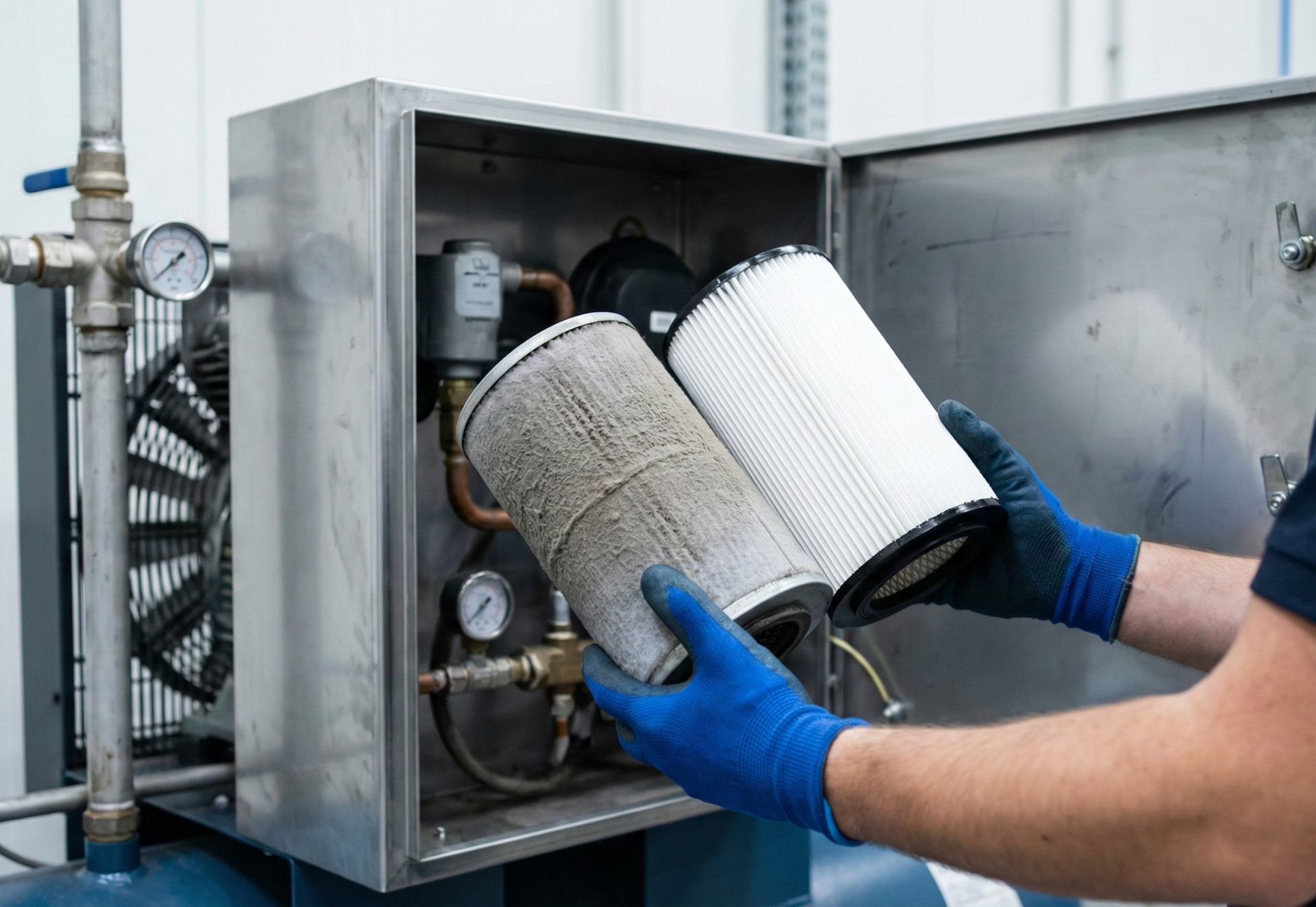
- Oil and filter changes
- Belt and coupling inspections
- Leak detection
- Dryer and condensate management
- Performance monitoring
Facilities relying on reactive repairs often experience:
- Unexpected downtime
- Emergency service costs
- Reduced equipment lifespan
Preventive maintenance stabilizes operations, protects capital investment, and ensures consistent air quality and pressure.
External reference (Section 3 of 3):
System Integration: Compressors Don’t Work Alone
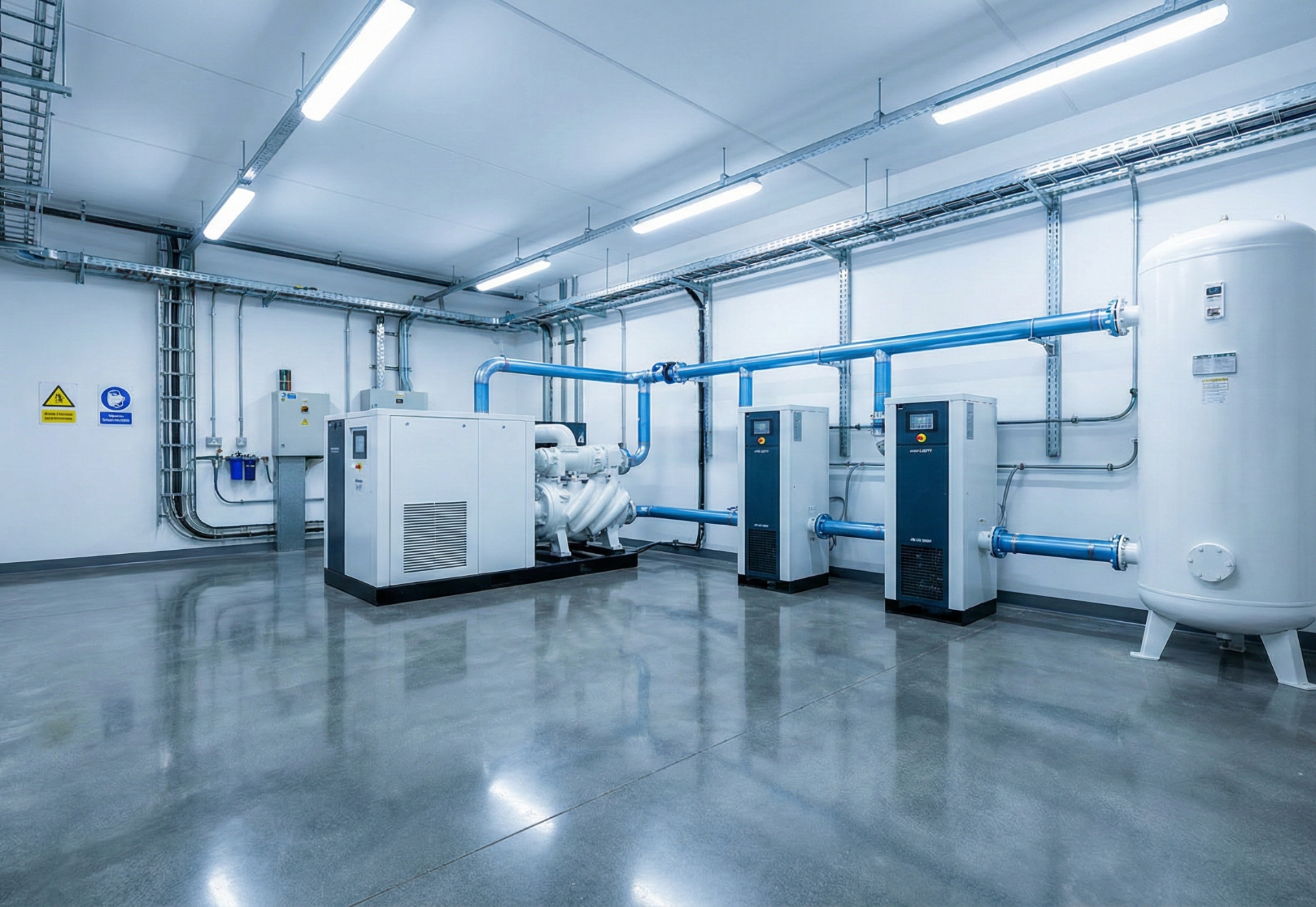
An industrial air compressor is only one component of a larger system that includes:
- Air receivers
- Distribution piping
- Dryers and filters
- Control systems
- End-use equipment
A high-performance compressor cannot compensate for undersized piping or unmanaged leaks. System-level integration ensures:
- Stable pressure at point of use
- Reduced energy waste
- Improved tool and equipment life
Industrial Air Services evaluates compressed air as an engineered system, not a single product.
When to Upgrade or Replace an Industrial Compressor
Many facilities operate aging compressors far beyond their optimal lifespan. Warning signs include:
- Rising energy costs
- Frequent breakdowns
- Inconsistent pressure
- Excessive noise or heat
- Limited parts availability
Upgrading doesn’t always mean replacing everything. In many cases, system optimization or control upgrades deliver significant improvements without full replacement.
Knowing when to repair, retrofit, or replace requires experience, not guesswork.
Why Industrial Air Services for Industrial Air Compressors in San Antonio
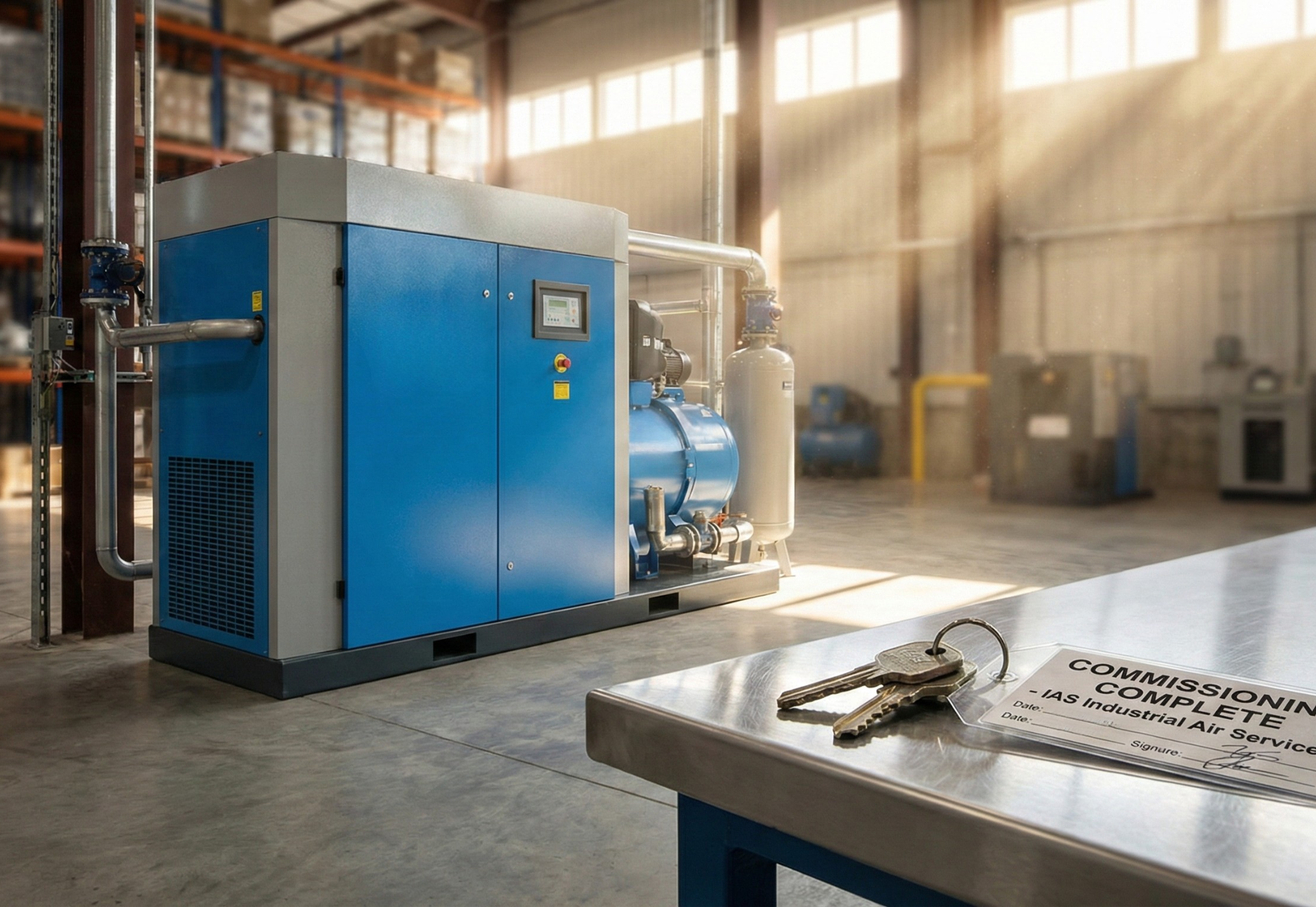
Industrial Air Services brings engineering insight, field experience, and local knowledge to every compressed air solution. We help facilities select, install, maintain, and optimize industrial air compressors built for long-term reliability, not short-term fixes.
Our approach focuses on:
- System performance
- Energy efficiency
- Uptime protection
- Lifecycle cost reduction
Your compressed air system should be an asset, not a risk.
If you’re evaluating an industrial air compressor in San Antonio, don’t make the decision alone.
Talk to Industrial Air Services for expert guidance, system evaluation, and long-term solutions.

Frequently Asked Questions
1. How long do industrial air compressors typically last?
With proper maintenance, many industrial compressors operate reliably for 10–20 years, depending on duty cycle and environment.
2. Is an oil-free compressor always better?
Not necessarily. Oil-free systems are essential for specific applications, but oil-flooded compressors often provide better efficiency and durability for general industrial use.
3. How can I reduce compressed air energy costs?
System audits, leak repair, pressure optimization, and modern compressor controls are among the most effective strategies.