Air Compressors in Texas: How to Choose the Right System for Your Industry and Environment
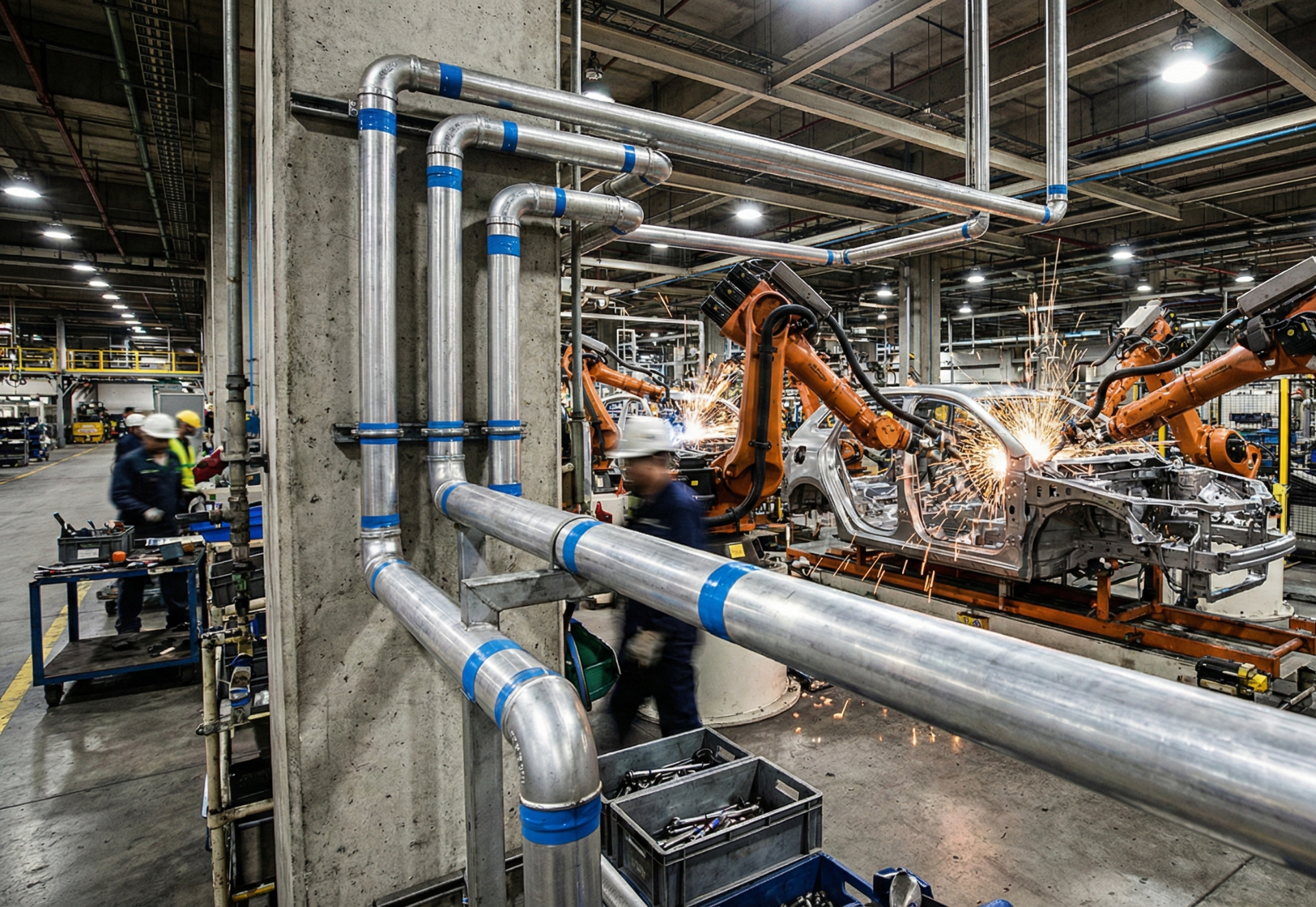
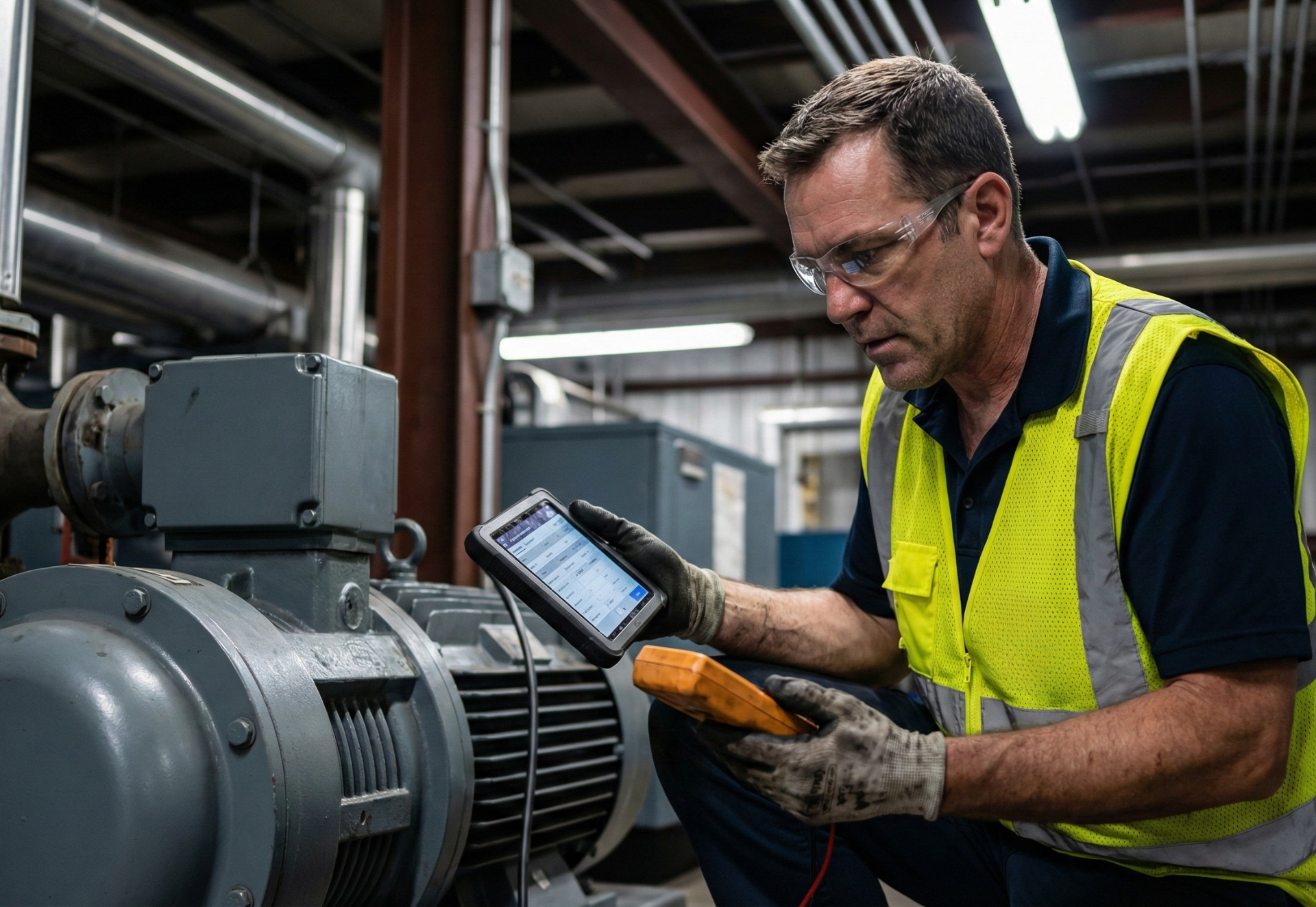
Texas, with its massive economy and diverse climate, stands as a critical hub for some of the most demanding industrial operations not just in the country, but globally. From the sprawling petrochemical plants along the Gulf Coast and the advanced manufacturing facilities in the Dallas-Fort Worth metroplex, to the vast construction projects and the complex logistics networks spanning the state, compressed air systems are not merely a convenience, they are a fundamental, backbone utility. These systems are constantly expected to deliver peak performance and run with unwavering reliability, often under extreme conditions characterized by searing heat, high ambient humidity, and relentless, high-duty cycles.
Choosing the right air compressor in Texas is a strategic business decision that extends far beyond simple price comparison or raw horsepower. It is not about hastily acquiring the biggest unit available or defaulting to the lowest initial cost. Instead, the process demands a deep, analytical approach: a perfect, tailored match between the compressed air system's capabilities and the unique demands of your specific industry, the challenges of the local environment, and your company's critical long-term operational and efficiency goals. This match is essential for ensuring productivity, minimizing costly downtime, and achieving true energy optimization across the Texas industrial landscape.
Why Texas Facilities Need Purpose-Built Air Compressor Systems
Texas operating conditions are tough on equipment. High ambient temperatures, continuous production schedules, and fluctuating demand place extra strain on compressed air systems.
Facilities that rely on generic or undersized compressors often experience:
- Pressure drops during peak demand
- Excessive heat-related wear
- Rising energy costs
- Frequent unplanned downtime
A properly selected and engineered air compressor system minimizes these risks while improving efficiency and reliability.
Understanding the Main Types of Industrial Air Compressors
Before choosing a system, it’s important to understand how different compressor types perform in industrial settings.
Rotary Screw Air Compressors
- Ideal for continuous operation
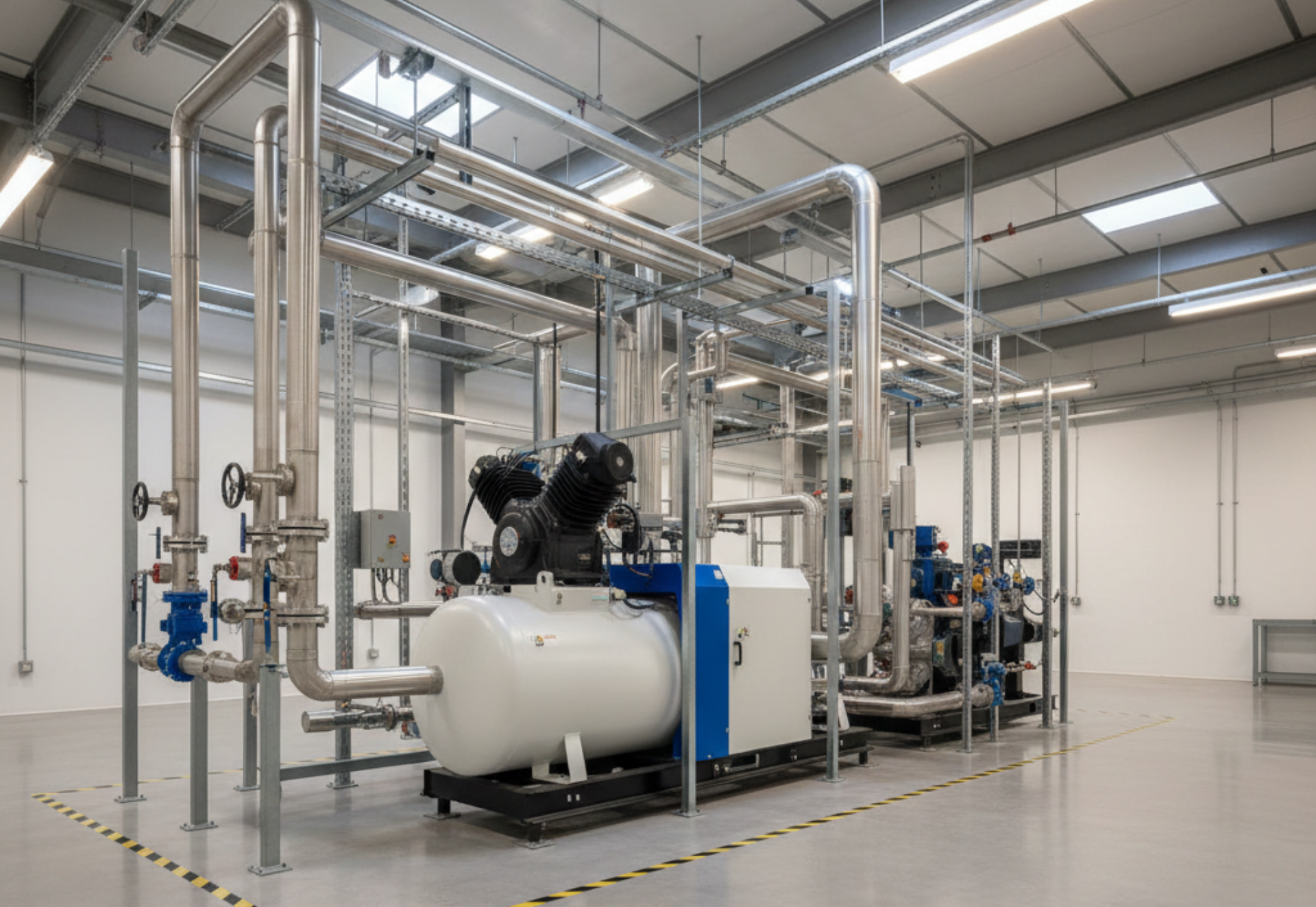
- High efficiency at steady loads
- Common in manufacturing and processing facilities
Reciprocating (Piston) Air Compressors
- Best for intermittent or low-duty applications
- Lower upfront cost
- Limited efficiency for continuous use
Electric vs Diesel Compressors
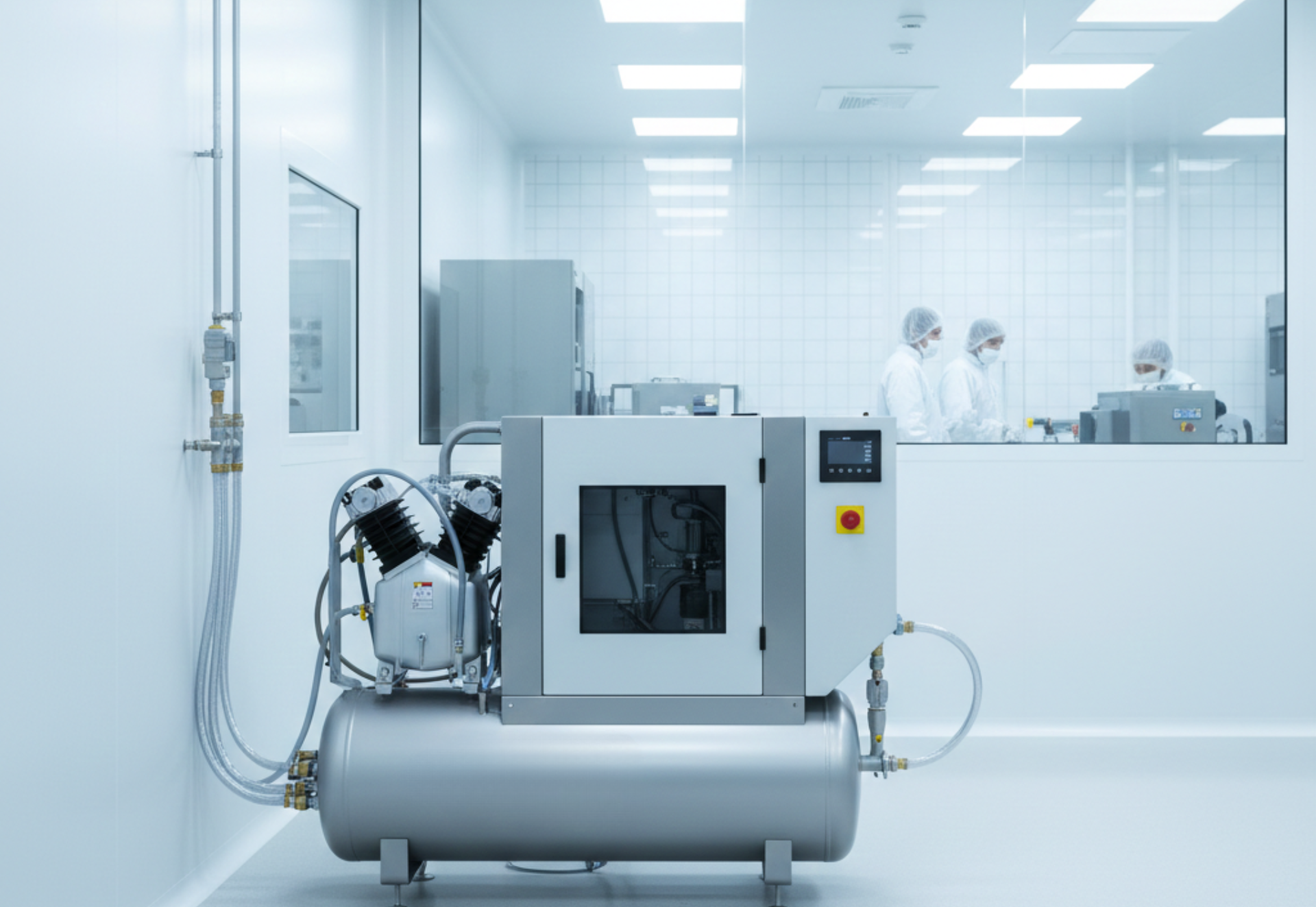
- Electric: Preferred for indoor and facility-based operations due to lower noise and zero emissions
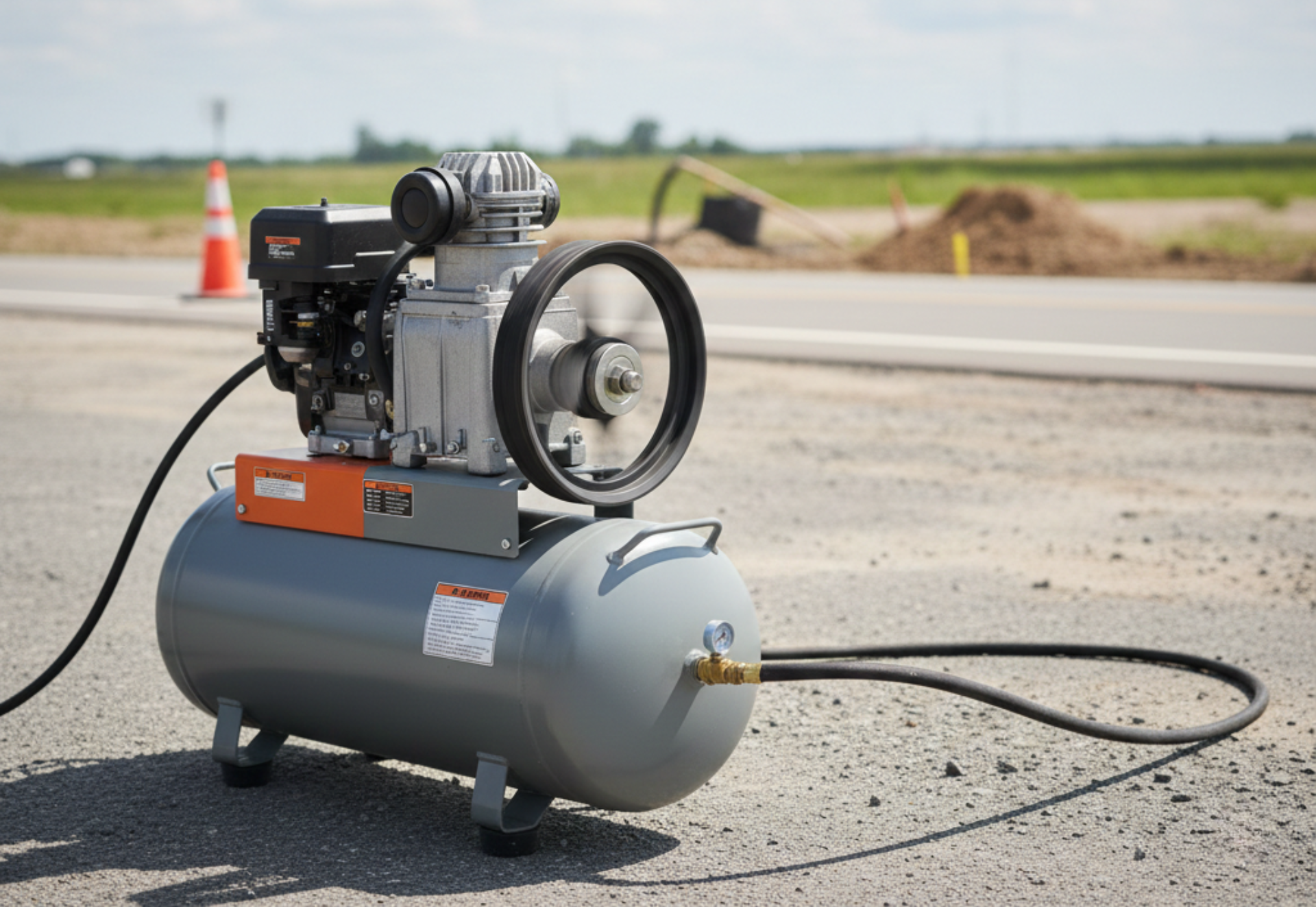
- Diesel: Typically used for outdoor or remote job sites
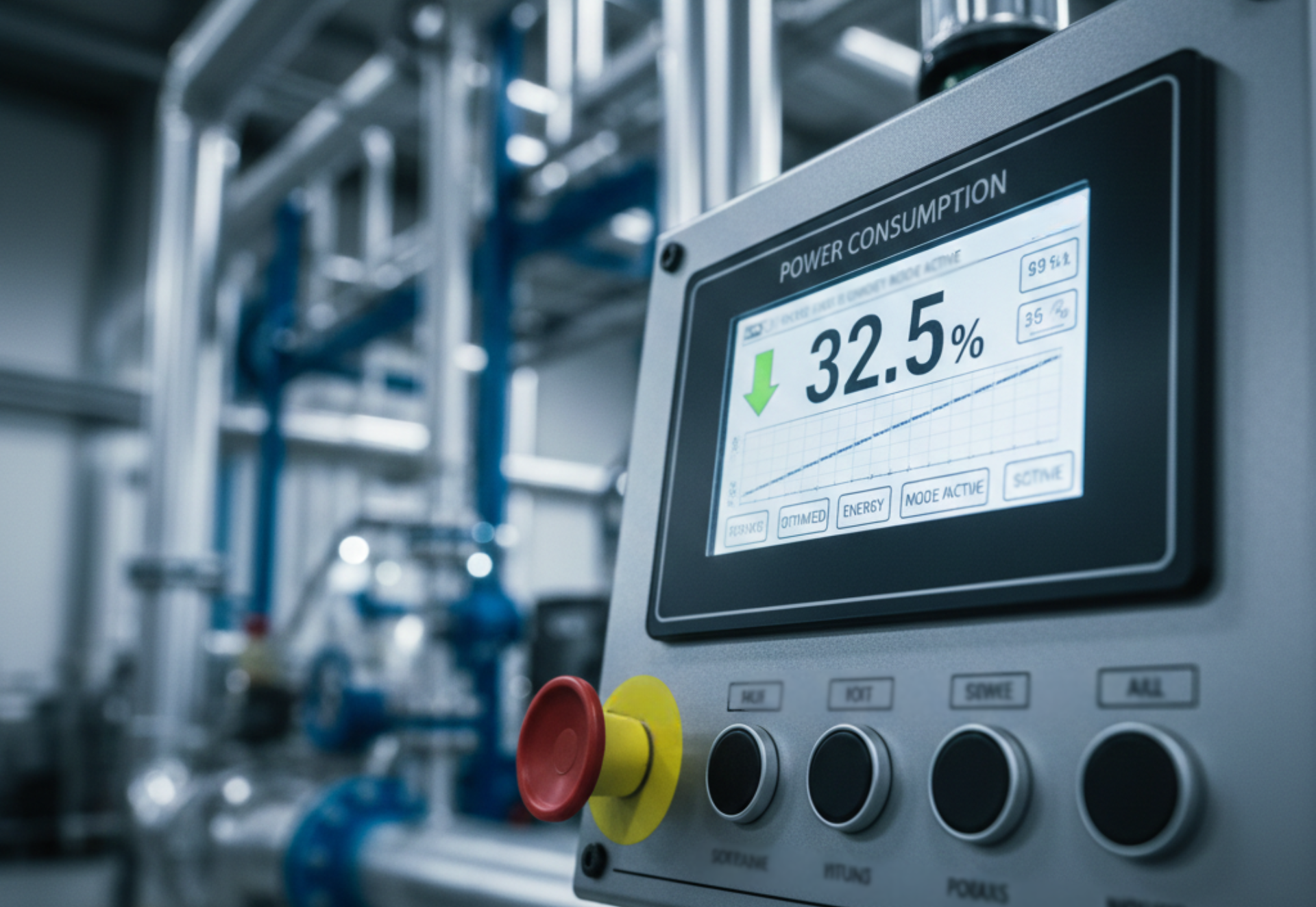
According to the U.S. Department of Energy, system selection and proper sizing can reduce compressed air energy costs by up to 30%.
Understanding the Main Types of Industrial Air Compressors
Before choosing an air compressor system for the demanding Texas industrial environment, it is critical to gain a comprehensive understanding of how different compressor technologies perform. Matching the compressor type to your specific application, duty cycle, and environmental constraints is the first and most crucial step toward optimizing efficiency and reliability.
Rotary Screw Air Compressors
Rotary screw compressors are the workhorses of modern industrial operations, particularly those requiring a constant, high-volume supply of compressed air.
- Ideal for Continuous Operation: Their design allows them to run 24/7 without the need for cool-down periods, making them indispensable for production lines, assembly plants, and large-scale manufacturing and processing facilities where downtime is costly.
- High Efficiency at Steady Loads: Screw compressors maintain exceptional energy efficiency when operating at or near their full-rated capacity, providing significant cost savings over time. Modern variable speed drive (VSD) models further enhance this efficiency by matching motor speed and power consumption precisely to the fluctuating air demand.
- Common in Manufacturing and Processing Facilities: Due to their reliability, low maintenance requirements, and capacity for consistent output, they are the standard choice across industries from automotive and aerospace to food and beverage production.
Reciprocating (Piston) Air Compressors
Piston compressors, one of the oldest and most familiar designs, remain an excellent choice for applications that do not require continuous, heavy use.
- Best for Intermittent or Low-Duty Applications: These compressors are designed to run in cycles, making them perfect for smaller shops, vehicle service bays, or applications where compressed air is needed sporadically throughout the day. Their efficiency drops dramatically when forced into continuous-duty cycles.
- Lower Upfront Cost: A significant advantage of reciprocating models is their comparatively low initial purchase price, offering a cost-effective solution for businesses with limited capital or less intensive air needs.
- Limited Efficiency for Continuous Use: Prolonged, non-stop operation leads to excessive heat generation, wear and tear on components (like rings and valves), and drastically reduced lifespan, negating the initial cost savings through higher maintenance and energy consumption.
Electric vs Diesel Compressors: Power Source Considerations
The choice of power source is dictated primarily by the location and mobility requirements of the air compressor system.
- Electric Compressors:
- Preferred for Indoor and Facility-Based Operations: Plugged directly into the facility's power grid, they are ideal for fixed installations.
- Lower Noise and Zero Emissions: This is a critical factor for indoor use, improving the work environment and ensuring compliance with occupational safety and environmental regulations. They also require less routine refueling and engine maintenance than their diesel counterparts.
- Diesel Compressors:
- Typically Used for Outdoor or Remote Job Sites: Diesel engines provide the necessary power for large-scale, portable units used in construction, roadwork, mining, and oil and gas field operations where grid power is unavailable or impractical.
- Superior Mobility and Power: Their self-contained power source allows them to be deployed anywhere, offering maximum flexibility for temporary or constantly moving work sites.
The Critical Role of System Selection and Sizing
Ignoring the technical specifications and operational requirements during the selection process is a common and costly mistake. Oversizing a compressor leads to inefficient short-cycling and wasted energy, while undersizing results in the machine constantly running at full capacity, leading to premature failure and inadequate air supply.
According to the U.S. Department of Energy, meticulous system selection and proper sizing, which includes assessing actual demand, factoring in storage, and optimizing the distribution network, can reduce compressed air energy costs by a staggering up to 30%. In the large-scale industrial sector of Texas, where energy consumption is high, this translates into substantial annual savings and a more sustainable operation.
External reference: https://www.energy.gov/eere/amo/compressed-air-systems
Industry-Specific Air Compressor Needs in Texas
Different industries place very different demands on compressed air systems.
Manufacturing & Fabrication
- Continuous-duty compressors
- Stable pressure for automated equipment
- Energy efficiency to control operating costs
Oil, Gas & Petrochemical
- High-capacity systems
- Rugged components for harsh environments
- Reliability under 24/7 operation
Construction & Infrastructure
- Portable or temporary compressors
- Flexibility for changing job sites
- Rapid deployment
Food & Beverage Processing
- Clean, dry, and contaminant-free air
- Compliance with safety and quality standards
The Compressed Air & Gas Institute (CAGI) emphasizes that system-level design—not just compressor output—is critical for industrial performance.
External reference: https://www.cagi.org
Environmental Factors That Matter in Texas
Texas heat isn’t just uncomfortable, it directly impacts air compressor performance.
Key environmental considerations include:
- Intake air temperature
- Cooling system capacity
- Ventilation and airflow
- Humidity and moisture management
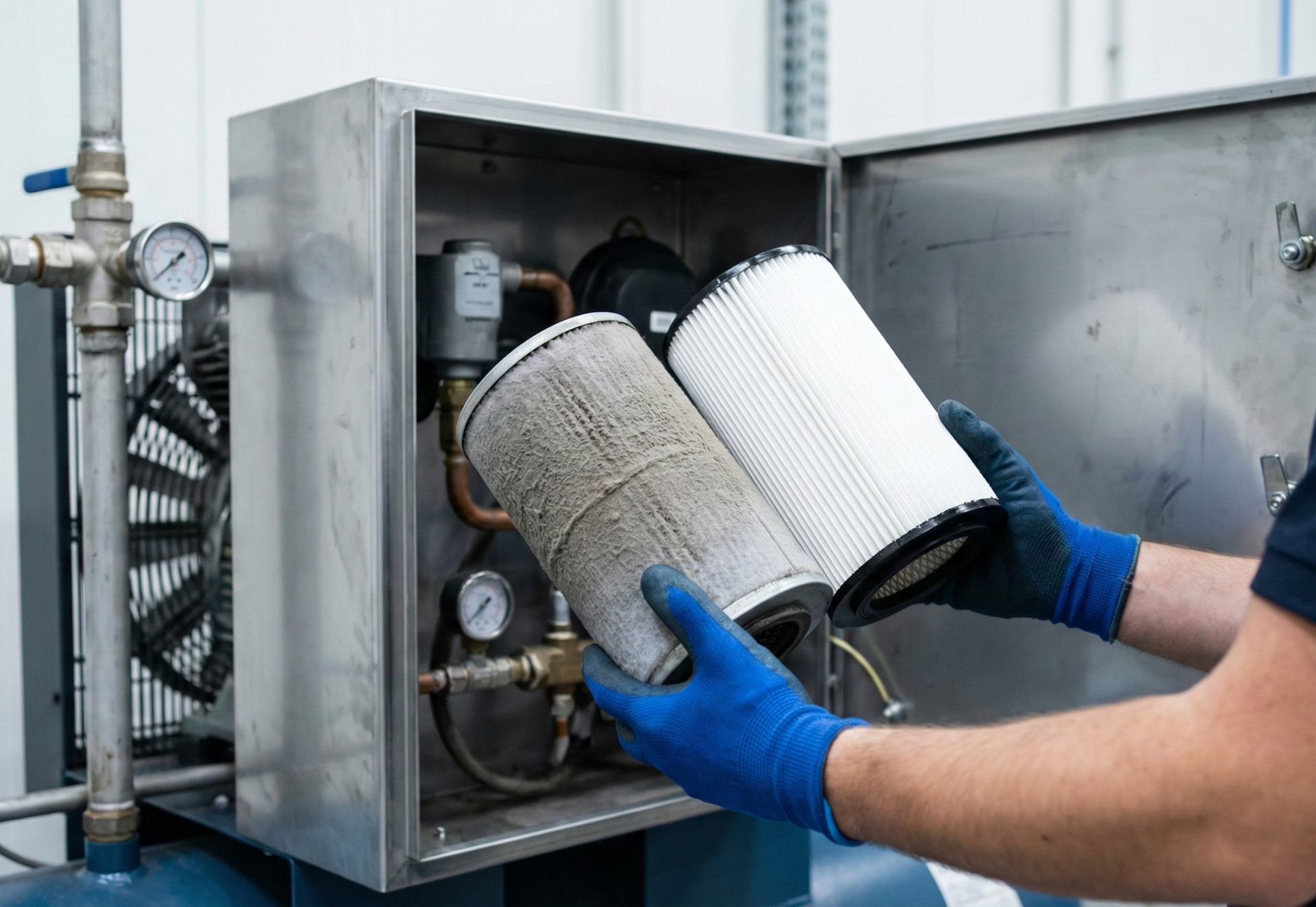
Ignoring these factors leads to reduced efficiency, higher maintenance costs, and shortened equipment life.
Harvard Business Review highlights that infrastructure designed for environmental realities consistently delivers stronger long-term returns.
External reference: https://hbr.org
Rental vs Purchase: Choosing the Right Path
Not every operation needs to purchase a compressor outright.
When Purchase Makes Sense
- Stable, long-term air demand
- Predictable production schedules
- Facilities planning multi-year operation
When Rental Is the Smarter Option
- Temporary or seasonal demand
- Maintenance shutdowns
- Emergency backup air
- Capacity testing before system upgrades
Many Texas facilities use a hybrid strategy, owning core systems while relying on rentals for flexibility and risk management.
How to Choose the Right Air Compressor in Texas

Before making a decision, facilities should evaluate:
- Required CFM and pressure
- Duty cycle and runtime
- Environmental conditions
- Expansion plans
- Service and support availability
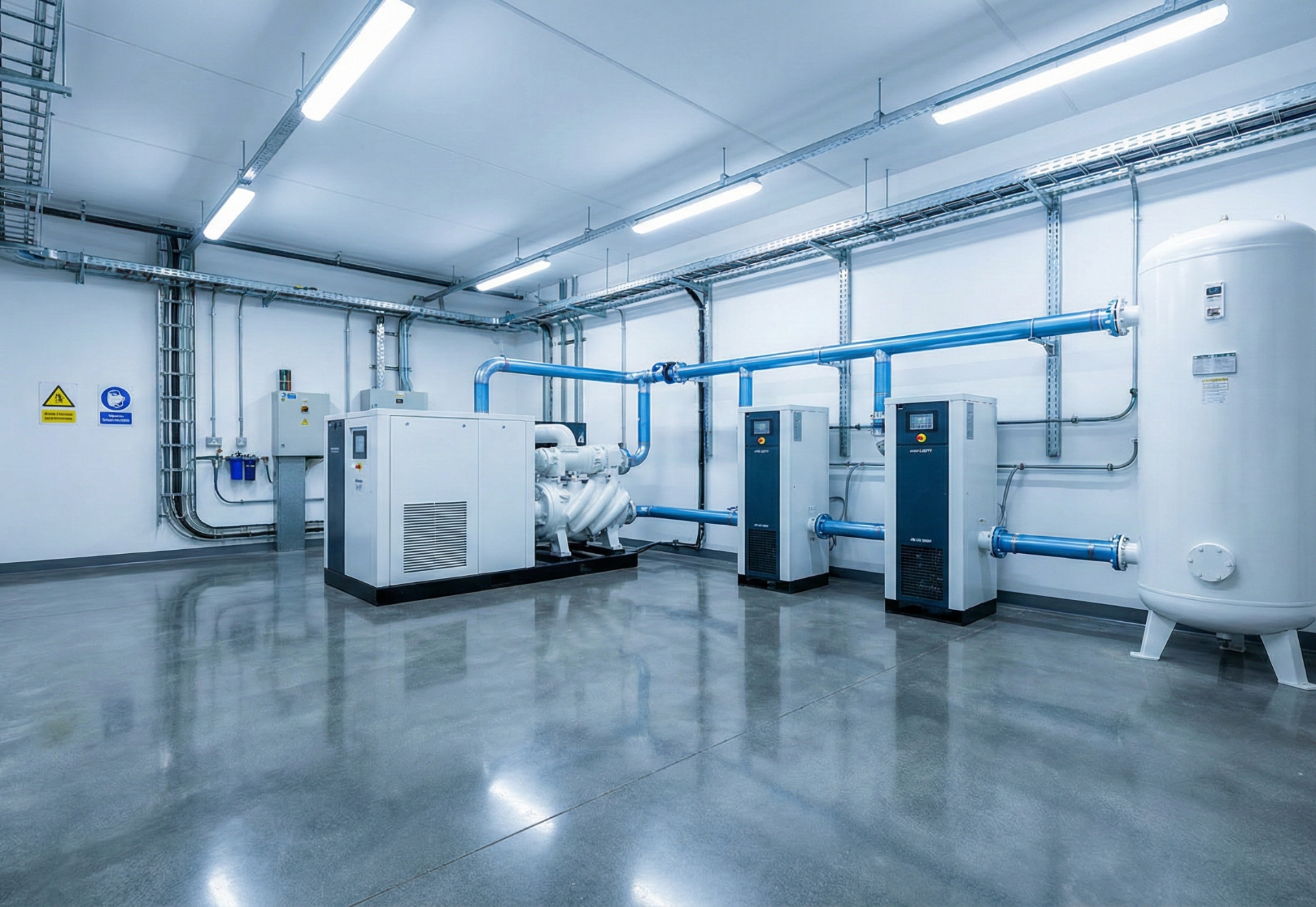
The right choice isn’t about equipment alone; it’s about system design, support, and long-term reliability.
Frequently Asked Questions (FAQs)
1. What type of air compressor is best for Texas heat?
Rotary screw electric compressors with proper cooling and ventilation are typically best suited for high-temperature, continuous-duty environments.
2. How do I know if my air compressor is properly sized?
Proper sizing requires evaluating actual air demand, pressure requirements, and peak usage, not just equipment ratings.
3. Is renting an air compressor common for Texas facilities?
Yes. Many facilities rent compressors for maintenance shutdowns, temporary projects, or emergency backup to avoid downtime.
Get the Right Air Compressor Solution for Your Texas Operation
Choosing the right air compressor in Texas is a strategic decision that impacts uptime, efficiency, and long-term operating costs.
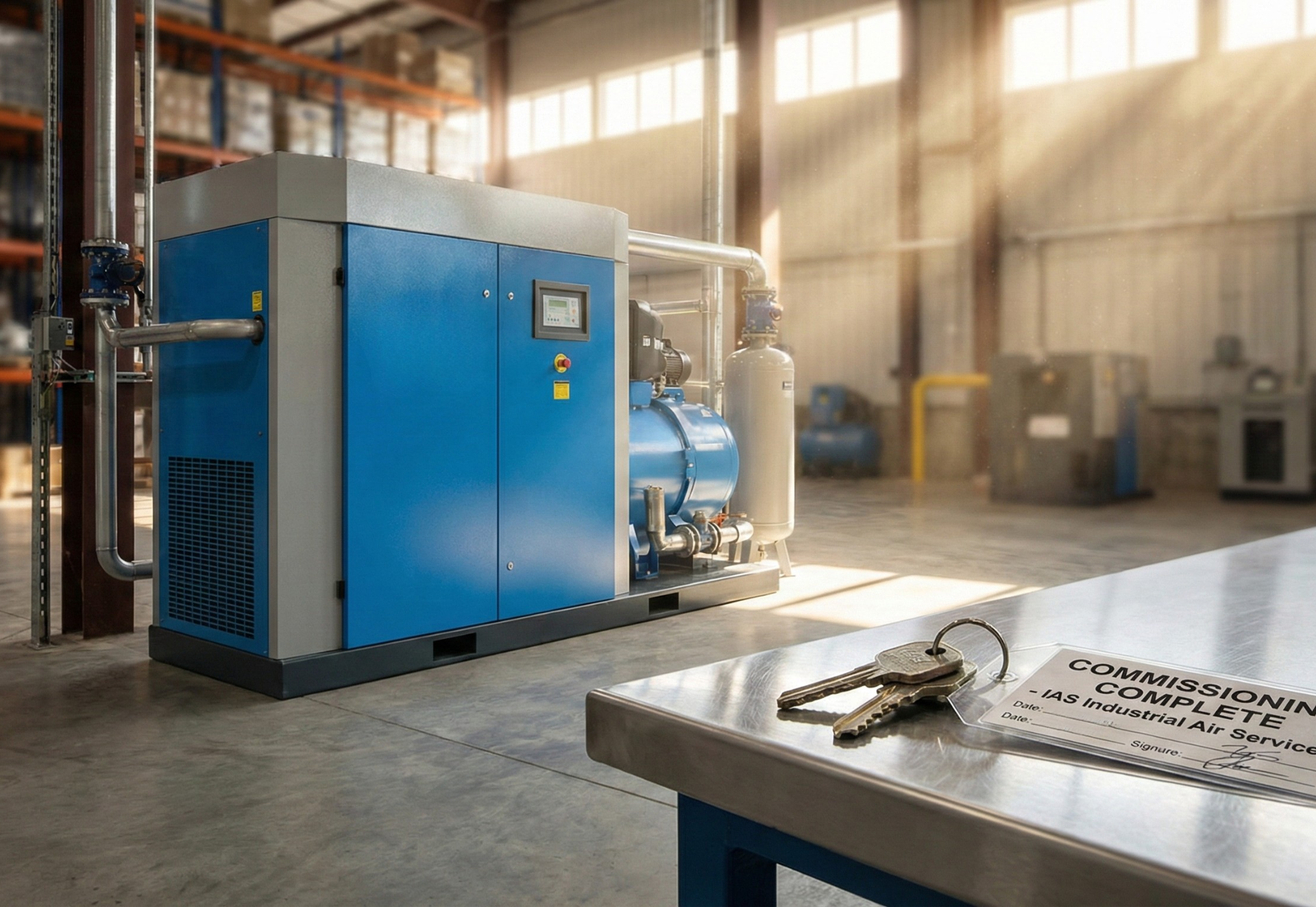
IAS helps Texas facilities evaluate, design, and support compressed air systems tailored to real-world operating conditions, not one-size-fits-all solutions.
Request a compressed air system evaluation
Explore rental, service, or custom-built options
Protect uptime with engineered air solutions