Industrial Air Compressor Repair Near Me: How Fast Local Service Restores Production and Prevents Costly Downtime
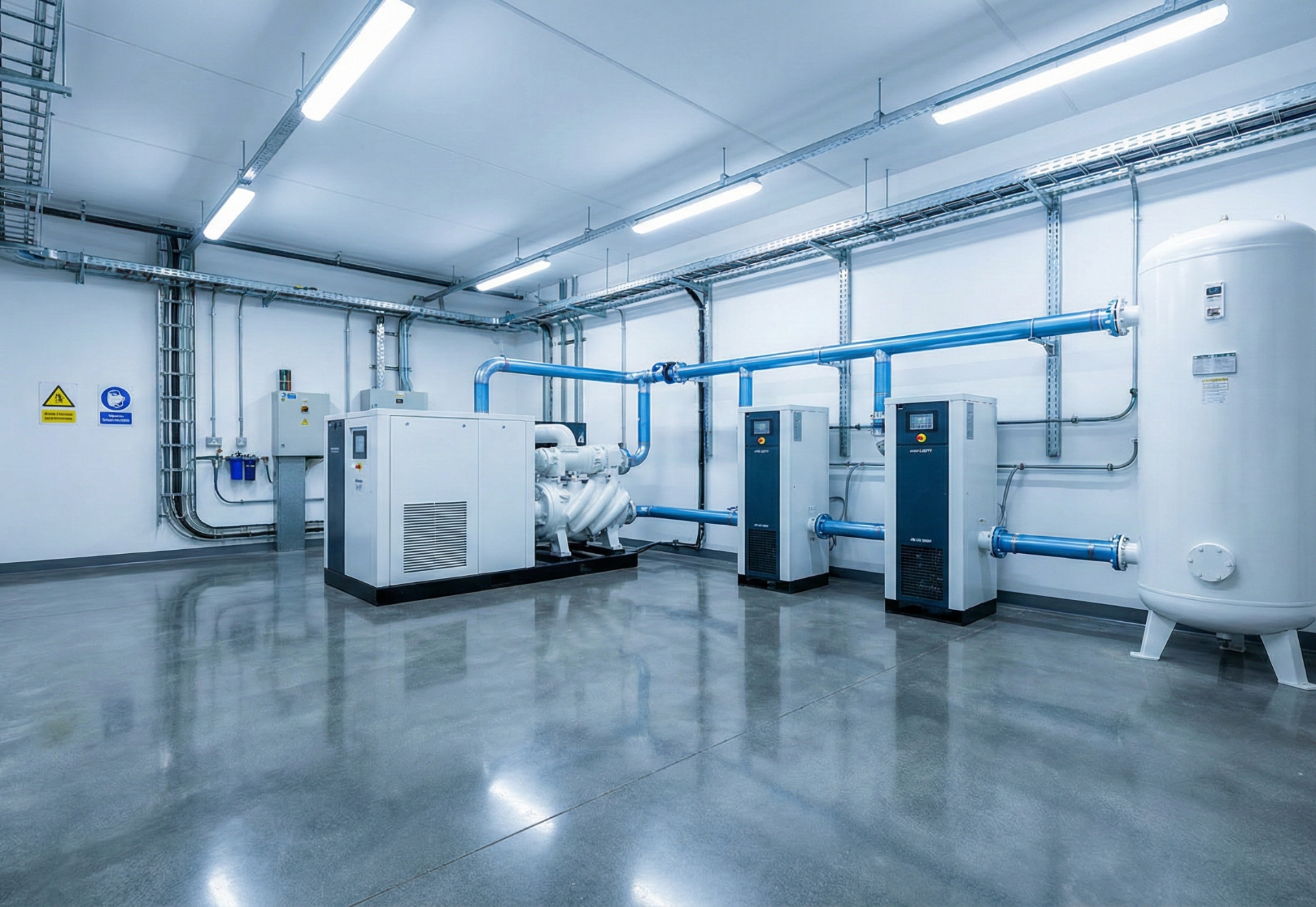
When an industrial air compressor goes down, production stops, simple as that. Whether you're running a fabrication shop, a food processing line, a manufacturing plant, or a large-scale distribution facility, compressed air is often the backbone of your operation. A sudden shutdown or performance failure impacts throughput, deadlines, labor allocation, and cost structure.
That’s why finding industrial air compressor repair near me isn’t just a matter of convenience; it's a critical uptime decision. Local service means faster response, shorter downtime, and a repair team that understands the unique environmental and operational demands of your region.
Industrial Air Services specializes in rapid-response, engineering-grade compressor repair designed to restore system reliability quickly and prevent repeat failures. This is not a patchwork repair; it’s a strategic, diagnostics-driven repair that enhances long-term performance.
Section 1: Why Local Industrial Compressor Repair Matters
Many facilities underestimate the true cost of downtime. According to a Deloitte study, unplanned downtime costs industrial manufacturers an estimated $50 billion annually, and compressed air failures are a top contributor.
A local repair provider offers advantages that national or delayed-response technicians simply cannot match:
1. Faster On-Site Response Time
When a compressor fails, hours matter, not days. A local team can be dispatched immediately, often same-day.
2. Familiarity with Regional Environmental Conditions
Dust load, humidity, temperature fluctuations, and air quality vary by location. A team servicing your area understands how these variables affect:
- lubrication breakdown
- cooling efficiency
- filter loading
- pressure regulation
3. Lower Travel Costs & Reduced Lead Times
Local doesn’t just mean fast; it means efficient and cost-effective.
4. Better Long-Term Service Relationships
Industrial Air Services builds partnerships, not just service tickets. Local clients get:
- Ongoing performance monitoring
- , proactive maintenance, recommendations
- faster diagnostics for recurring issues

Section 2: What Local Industrial Compressor Repair Should Include
When a facility searches for “industrial air compressor repair near me,” they’re often facing:
- complete compressor shutdown
- low pressure or inconsistent output
- overheating or alarm codes
- excessive moisture or oil carryover
- loud vibration or abnormal noise
A high-level repair provider must treat every failure as a system-level problem, not just a component failure.
Here’s what a proper industrial repair process looks like.
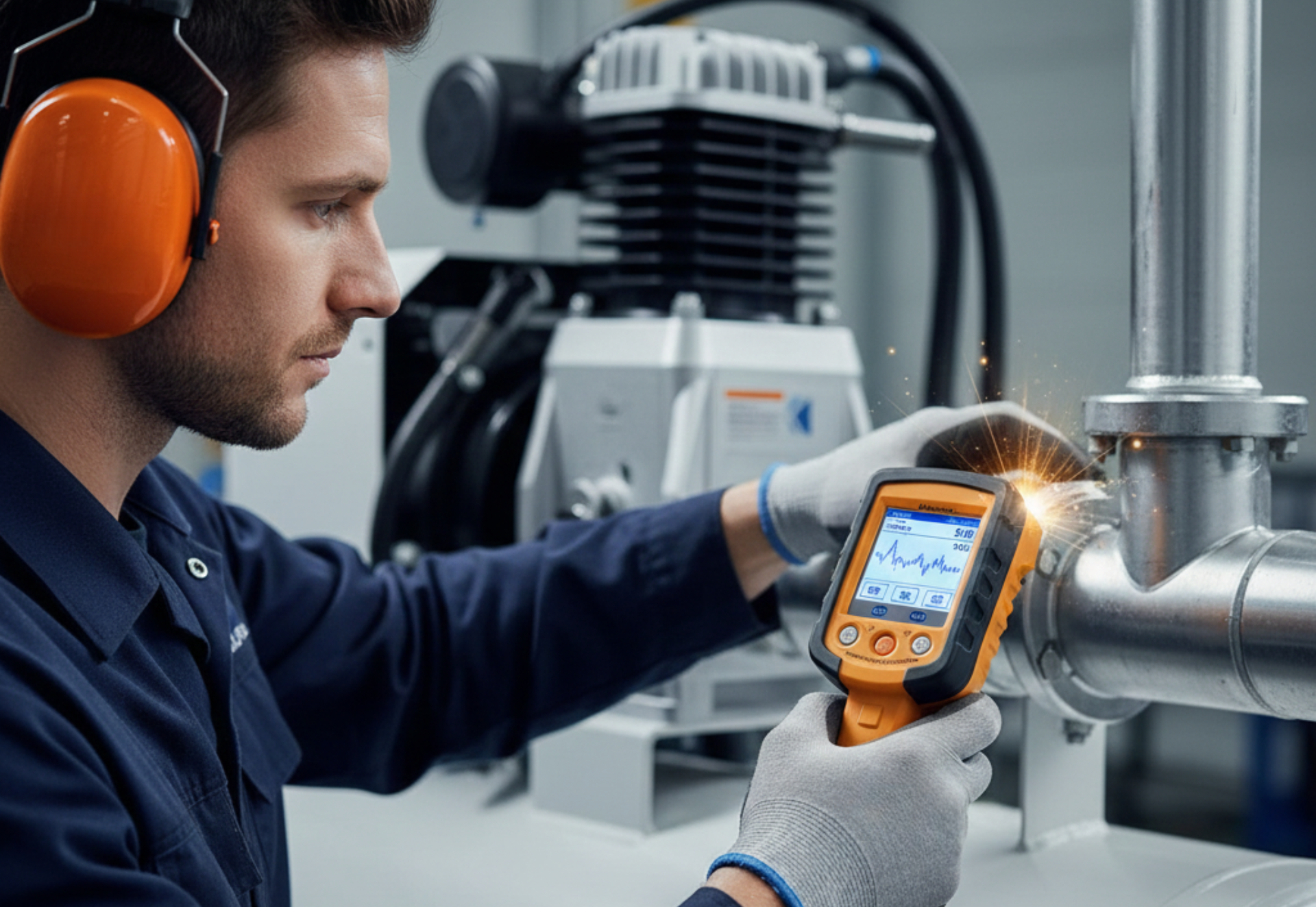
Step 1: Comprehensive System Diagnostics
Modern compressed air systems involve:
- electrical controls
- pneumatic flow pathways
- cooling circuits
- lubrication systems
- mechanical drive components
A surface-level repair misses the root cause.
Diagnostics should include:
- Pressure/temperature trend analysis
- Vibration and noise inspection
- Motor amp draw and load cycle review
- Lubricant sampling (when applicable)
- Leak detection tests
- Electrical continuity checks
The goal: Identify what failed, and why it failed, to prevent recurrence.
Step 2: Component-Level Repair and Replacement
Depending on the failure mode, repairs may include:
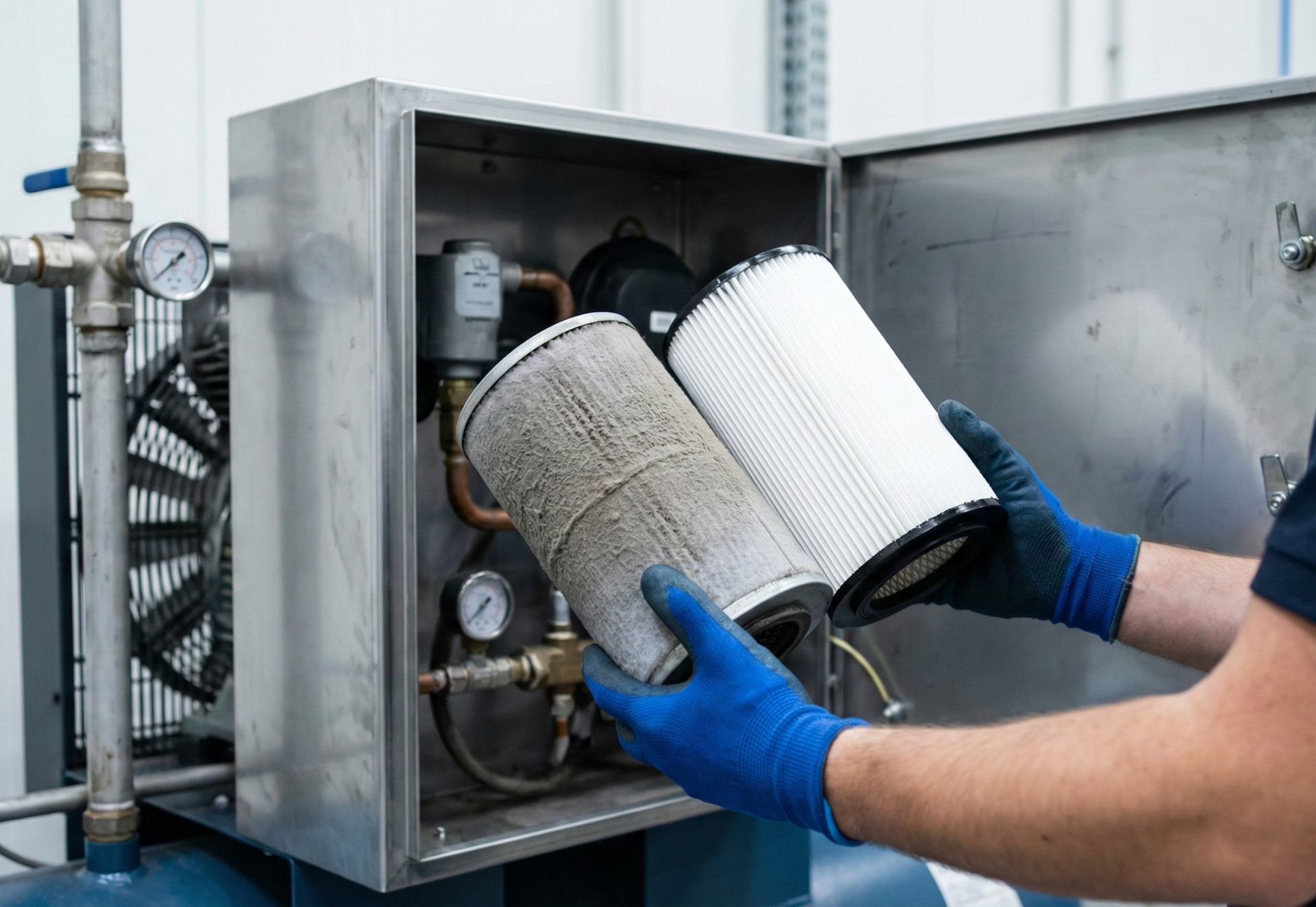
- separator, filter, or oil replacement
- thermostat or sensor repair
- motor or starter component repair
- valve and intake repair
- cooling system restoration
- gasket, seal, and o-ring replacement
Some repairs require precision calibration to meet OEM specifications, a step that inexperienced providers often skip.
Step 3: System Integrity & Performance Testing
After components are repaired, the entire system must be evaluated under load. This ensures:
- stable discharge pressure
- proper temperature regulation
- optimized load/unload cycling
- correct airflow and CFM output
- no leaks or restrictions
Testing prevents repeat breakdowns and confirms your compressor is operating within design parameters.
Section 3: The Hidden Costs of Delaying Compressor Repairs
While it may seem financially prudent to delay calling a repair technician, often with the hope that the system will "stabilize" on its own, this hesitation is a significant gamble with industrial productivity. This wait-and-see approach, in reality, almost always precipitates far more significant and costly problems. Research and guidelines from organizations such as the U.S. Department of Energy consistently emphasize a critical warning:
small performance deviations often precede major mechanical failures.
Ignoring early warning signs, such as unusual noises, slight pressure drops, increased vibration, or minor fluctuations in operating temperature, does not save money; it merely defers a larger, more expensive breakdown. These initial deviations are symptoms of underlying component wear or imbalance. Allowing the compressor to run in a compromised state accelerates wear on critical components like bearings, rotors, and seals. This process creates a destructive domino effect, transforming a minor, scheduled repair (e.g., a simple seal replacement or alignment) into a catastrophic failure that necessitates a full motor rebuild, air-end replacement, or even complete unit replacement. The true cost of this delay is calculated not just in parts and labor, but in:
- Massive Production Losses: When a compressor fails, production can come to a halt instantly. The cost per hour of lost manufacturing time typically dwarfs the cost of a preventive service call.
- Secondary Equipment Damage: An unstable air supply, fluctuating pressure or contamination can damage the sensitive pneumatic tools and machinery that rely on the compressor, leading to additional, unexpected repair costs downstream.
- Exorbitant Expedited Shipping and After-Hours Fees: Emergency breakdowns invariably require technicians to be dispatched immediately, often incurring premium after-hours rates. Furthermore, the critical components needed may require costly expedited shipping, which can increase the final repair bill exponentially.
In essence, delaying a repair transforms a predictable maintenance expenditure into an unpredictable and crippling emergency expense, significantly impacting a facility's bottom line and operational stability.
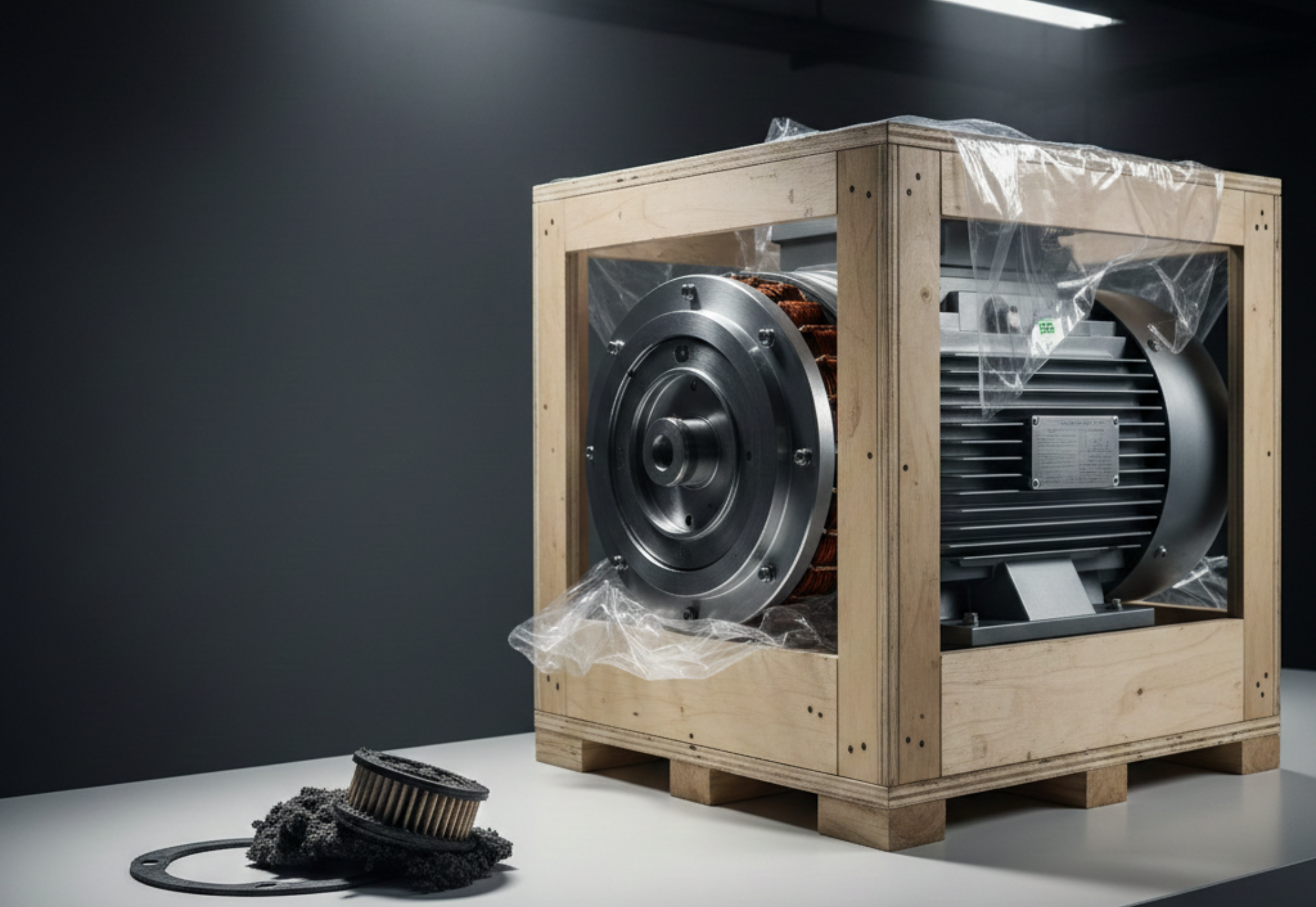
Here’s what delayed repair can cause:
1. Escalating Energy Costs
A compressor running out of spec consumes significantly more power, often 10–20% above normal.
2. Heat Damage & Lubrication Breakdown
Overheating quickly degrades lubricant, increasing internal wear.
3. Contamination of the Entire Air System
Oil carryover or moisture can affect:
- downstream tools
- dryers
- filters
- end products
4. Unexpected Shutdown Events
When the machine finally hits a safety threshold, it stops, and production stops with it.
5. Higher Long-Term Repair Costs
A minor issue left untreated becomes a major component replacement.
Section 4: Why Industrial Air Services Is the Right Local Repair Partner
Industrial Air Services doesn’t provide temporary fixes; we deliver engineering-grade reliability solutions.
Our repair advantage includes:
✔ Rapid-Response Technicians
Fast deployment minimizes downtime and restores operations quickly.
✔ Factory-Trained, Systems-Level Experts
Our technicians understand compressors from a mechanical, electrical, and pneumatic perspective.
✔ Root-Cause Failure Analysis
We don’t just replace parts, we identify the internal or environmental causes behind the failure.
✔ OEM-Compliant Repair Processes
Repairs follow manufacturer guidelines for maximum performance and lifespan.
✔ Long-Term Reliability Focus
Every repair includes recommendations to:
- reduce future failures
- increase energy efficiency
- stabilize pressure output
- protect critical components
✔ Support for All Major Industrial Compressor Brands
Including Ingersoll Rand, Atlas Copco, Kaeser, Quincy, Sullair, and more.
Section 5: When You Should Call for Immediate Repair
If your compressor displays any of the following signs, immediate repair is strongly recommended:
- sudden pressure loss
- repeated shutdown alarms
- high discharge temperature
- visible oil leaks or oil carryover
- loud knocking or vibration
- tripped breakers or electrical faults
- moisture in the air lines
Waiting increases risk, not just to equipment, but to production output.
Section 6: Repair vs. Replace, When Repair Is No Longer Enough
While most failures can be repaired, some conditions indicate that a compressor is nearing the end of its economic life:
- repeated motor failures
- severe rotor or air-end wear
- unrepairable control board damage
- consistently high energy draw
- repair costs exceeding asset value
During repair assessments, IAS provides unbiased recommendations on whether repair or replacement offers the better ROI.
When your production depends on compressed air, downtime isn’t an option. You need a repair partner who responds fast, understands industrial loads, and restores reliability, not just function.
Industrial Air Services delivers fast, local, engineering-driven repair designed to get your system back online, safely and efficiently.
Stay connected with IAS for engineering insights, uptime strategies, and maintenance best practices.
Call us, and we’re avaialble24/7.
Frequently Asked Questions (FAQs)
1. How to tell if an air compressor is bad?
An air compressor is likely failing if you notice warning signs such as:
- Low or inconsistent pressure
- Loud vibration or unusual noise
- Overheating or high-temperature shutdowns
- Excessive moisture or oil carryover
- Slow start-up or frequent tripping
- Air leaks or pressure drops during operation
These symptoms often indicate deeper mechanical, electrical, or lubrication issues—not just surface-level problems.
Industrial Air Services provides engineered diagnostics that pinpoint the exact cause of failure and restore your system to reliable performance. If your compressor shows any of these signs, contact IAS immediately for a professional on-site assessment.
2. Do air compressors expire?
Air compressors don’t “expire,” but they reach the end of their economic life after years of mechanical wear, heat exposure, and operating stress. Factors that shorten lifespan include:
- Poor maintenance practices
- Continuous high-load operation
- Dirty or harsh environments
- Infrequent filter or oil changes
- Repeated overheating events
With proper service, many compressors operate 10–15 years or more. Without it, lifespan can shrink dramatically.
Industrial Air Services helps facilities maximize compressor lifespan through preventive maintenance, performance audits, and timely repair strategies. If you want your compressor to operate safely and efficiently for as long as possible, partner with IAS for a long-term reliability plan.
3. What is the most common maintenance of an air compressor?
The most common and essential maintenance tasks include:
- Air, oil, and separator filter replacement
- Lubrication and oil change service
- Cooler cleaning to prevent overheating
- Belt, coupling, and drive inspection
- Leak detection and airflow verification
These tasks directly impact pressure stability, system efficiency, and overall uptime. Skipping even one can lead to avoidable breakdowns or rising energy costs.
Industrial Air Services delivers
OEM-compliant, reliability-centered maintenance designed to keep your compressor running at peak performance. For consistent uptime and long-term cost savings,
schedule your compressor maintenance with IAS.