Air Compressor Repairs That Protect Your Uptime: How to Diagnose Issues Early and Restore Peak Performance
In industrial environments, compressed air is far more than just a utility; it is the vital, pulsing backbone of modern manufacturing and production processes. When this essential energy source falters, the entire downstream operation is immediately compromised. A failure in an air compressor initiates a cascade of negative effects: production throughput grinds to a halt, unscheduled downtime drastically increases operational expenditure, system-wide energy costs spike due to inefficient operation, and skilled operators are forced to divert valuable time from production tasks to troubleshoot or manage the resulting chaos.
This is precisely why effective, proactive air compressor repairs transcend simple routine maintenance; they represent a fundamental strategic imperative for ensuring business continuity. Prioritizing timely and accurate repairs is the key to safeguarding maximum uptime, relentlessly optimizing system efficiency, and significantly extending the functional lifespan of your entire compressed air infrastructure.
At Industrial Air Services, our philosophy regarding compressed air reliability is anchored in the deep, technical understanding shared by seasoned mechanical and plant engineers. We operate on the principle that every component within the system, every measurable pressure drop, and every shift in operating temperature is a data point telling a critical story about the system's current state of health. Mastering the interpretation of these early warning signals is not just beneficial; it is crucial. It empowers plant management and maintenance teams to swiftly diagnose and resolve nascent issues
before they can escalate from minor operational hiccups into catastrophic, system-wide failures that mandate expensive, emergency shutdowns.
This comprehensive guide is designed to serve as your definitive resource. We meticulously break down the critical, observable signs and symptoms that unequivocally indicate your compressor requires immediate repair, delve into the fundamental root causes that drive chronic performance loss and inefficiency, and outline the most effective, long-term repair and refurbishment strategies necessary to fully restore system integrity, guarantee peak performance, and protect your profitability.
Why Air Compressor Repairs Should Never Be Reactive
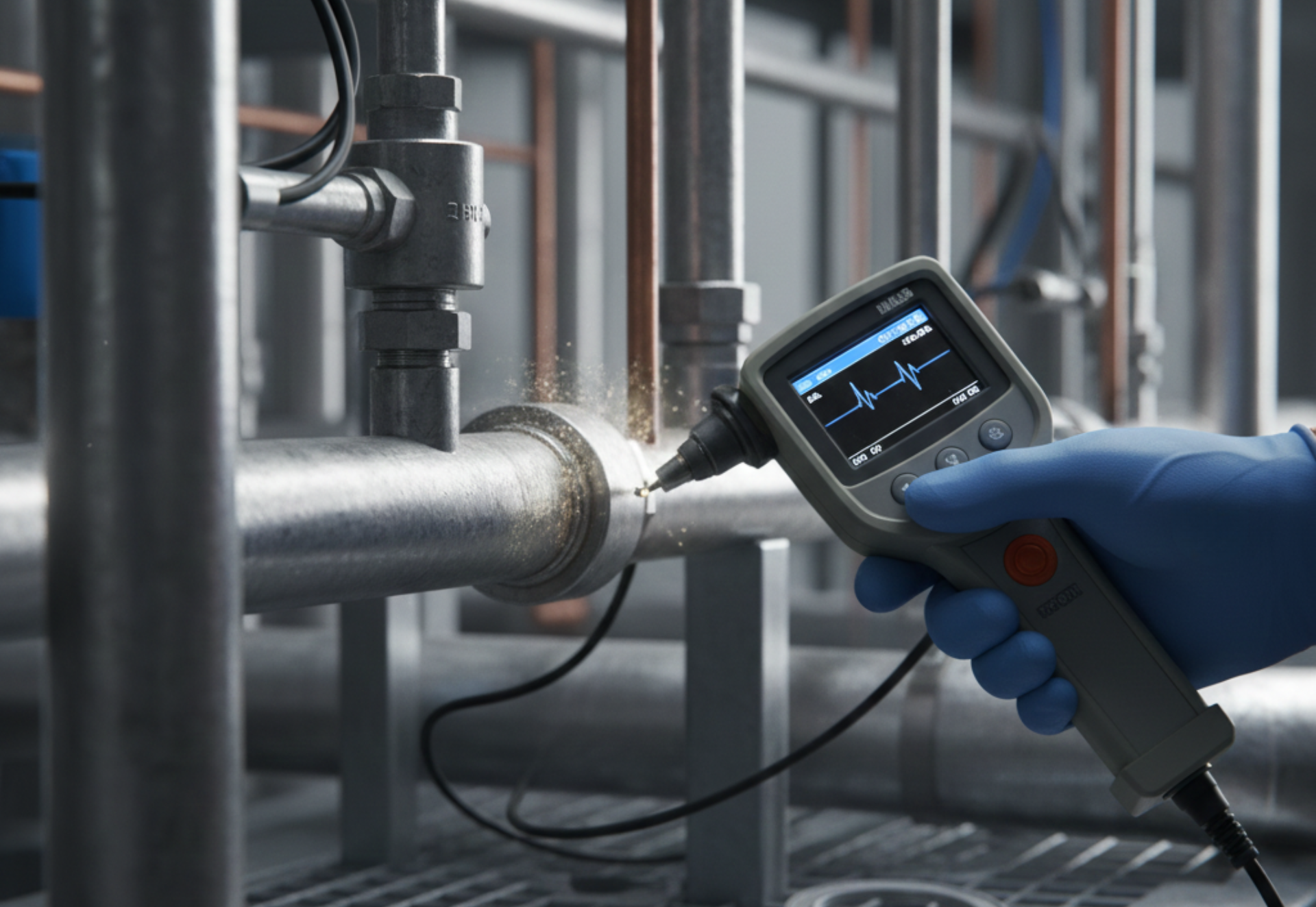
Across manufacturing, food processing, fabrication, energy, and automotive sectors, compressor downtime is one of the top contributors to unplanned production loss. According to the U.S. Department of Energy, compressed air leaks alone can waste 20–30% of a system’s output, and that doesn’t even account for mechanical failures or efficiency degradation.
Source: https://www.energy.gov/eere/amo/compressed-air-systems
When facilities delay repairs, the following operational risks increase:
- Unstable system pressure that disrupts equipment calibration
- Overheating that leads to costly rotor or motor damage
- Oil carryover that contaminates downstream tools and products
- Energy inefficiency sometimes doubles the cost of air generation
- Unexpected shutdowns, often during peak production demand
Reactive repair always costs more, financially and operationally, than addressing small issues at the earliest sign of failure.
Section 1: The Most Common Warning Signs Your Air Compressor Needs Repair
Maintaining consistent, reliable air pressure is non-negotiable for industrial uptime. Air compressors, whether they are rotary screw, reciprocating piston, or centrifugal models, are the heartbeat of many operations. Ignoring the early warning signs of a malfunction can quickly escalate a minor service call into a catastrophic, costly system failure and prolonged shutdown. While every compressor model and manufacturer has unique operational nuances, the following indicators are universal and should prompt immediate diagnostic action and repair scheduling across all industrial-grade systems. Recognizing these symptoms is the first and most critical step in a proactive maintenance strategy designed to protect your process and restore peak performance.
1. Sudden Drop in Air Pressure
A drop in PSI typically signals:
- Restricted filters
- Leaks in piping or fittings
- Faulty pressure relief valves
- Internal component wear
Prolonged low pressure forces the compressor to run harder and longer, accelerating heat and mechanical fatigue.
2. Excessive Heat or High Discharge Temperature
Overheating can indicate:
- Cooling system failures
- Low lubricant levels
- Clogged intercoolers or aftercoolers
- Faulty thermostatic valves
High discharge temperature is a direct threat to compressor life and can lead to catastrophic failure if ignored.
For reference, the Compressed Air & Gas Institute (CAGI) warns that elevated discharge temperatures dramatically reduce lubricant viscosity, increasing wear.
3. Increased Noise or Vibration
Unusual vibration often points to:
- Misalignment
- Worn bearings
- Loose mounts
- Imbalanced components
Noise isn’t an annoyance; it’s a measurable performance deviation.
4. Oil Carryover or Excessive Moisture
Oil where it shouldn’t be means:
- Separator element failure
- Incorrect oil grade
- Oversaturated filtration
- Malfunctioning drains
Oil contamination affects everything from pneumatic tool life to air quality compliance.
5. Rising Energy Consumption
If your utility bill climbs but production hasn’t, the compressor may be compensating for:
- Leaks
- Internal wear
- Unregulated demand
- Failing controls
According to DOE studies, the operational energy consumption of an air compressor is the single largest expense, representing a staggering
70% of the compressor’s total life-cycle cost. This critical data point underscores why even a small degradation in performance or efficiency can rapidly translate into exorbitant operating costs. The immediate financial impact of performance loss, through increased power consumption to maintain the same output, makes proactive maintenance and swift, accurate repairs essential not just for system reliability, but for robust fiscal management. Allowing a compressor to operate below its peak efficiency is, therefore, a costly oversight that directly erodes a company's bottom line.
Section 2: Core Repair Procedures That Restore System Reliability
Air compressor repairs aren’t just about swapping parts; they require diagnostic reasoning, system-level understanding, and precision. Here’s what high-quality repair work looks like.
1. System Diagnostics & Root-Cause Analysis
An experienced technician evaluates:
- Temperature readings
- Pressure fluctuations
- Amp draw
- Load/unload cycles
- Lubricant condition
- Thermal behavior
Fast repairs matter, but accurate repairs prevent recurrence.
2. Component-Level Repairs
Depending on the model, this may include:
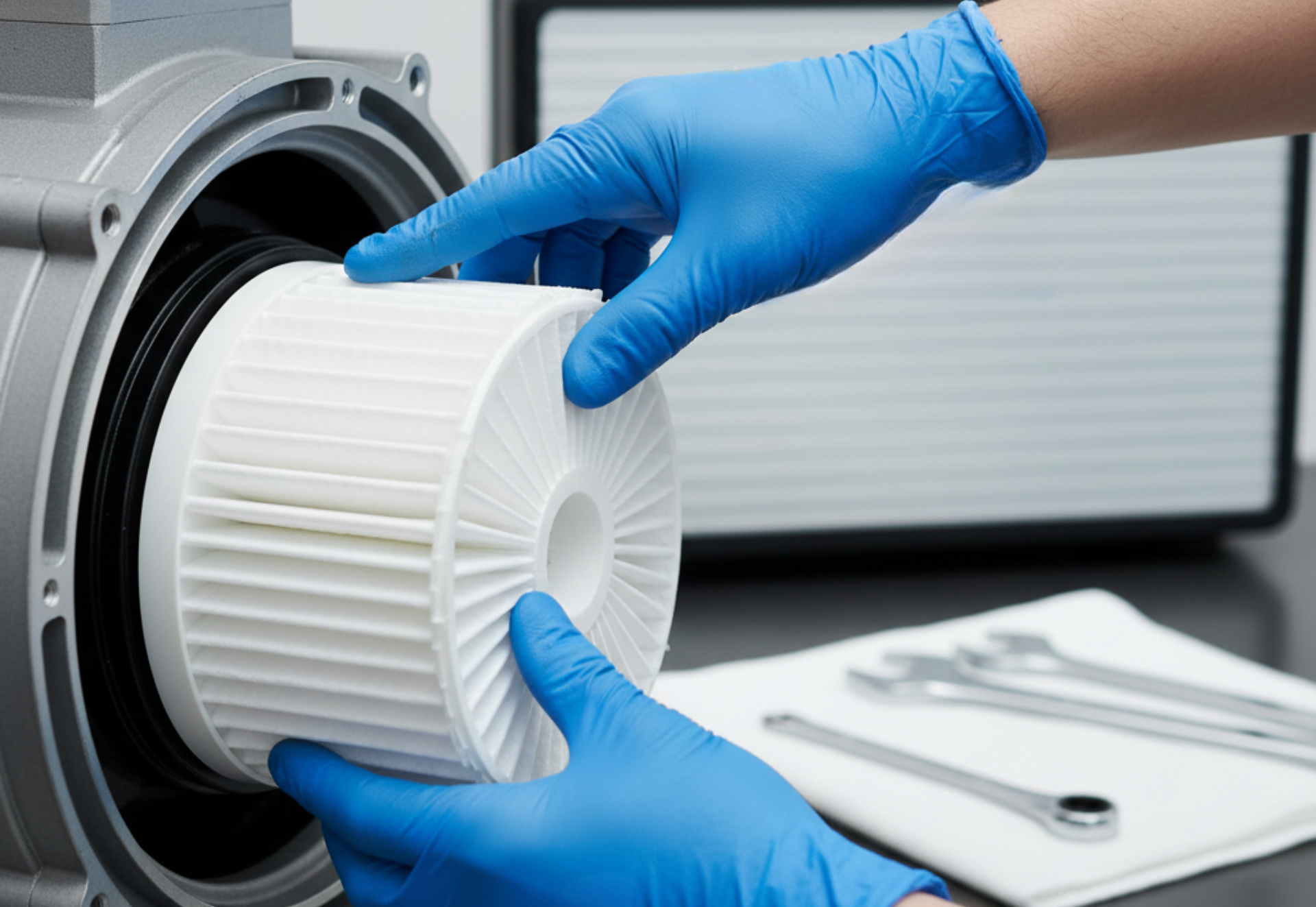
✔ Separator & Filter Replacement
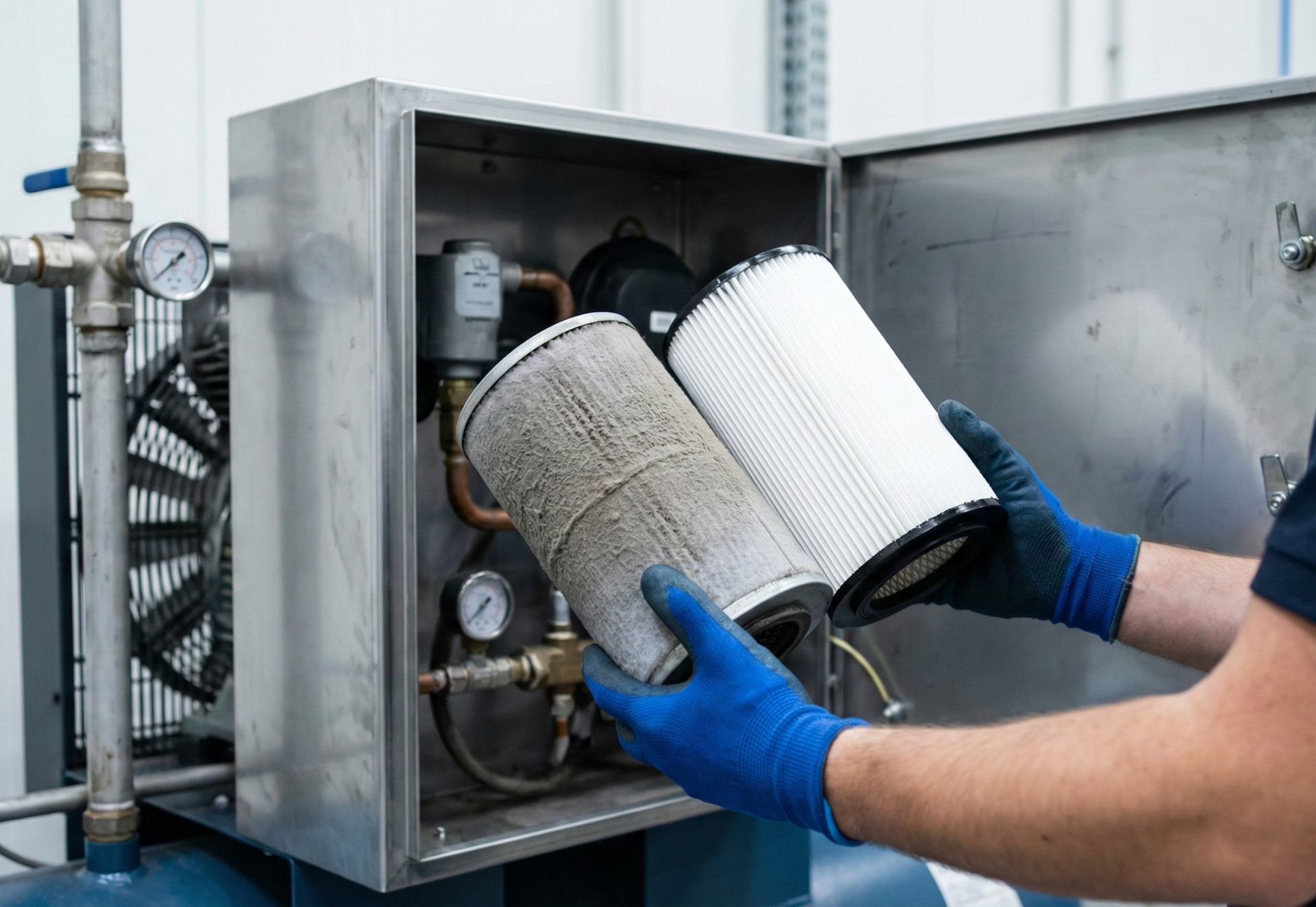
Restores pressure, eliminates restrictions, and reduces oil carryover.
✔ Valve Repair or Calibration
Addresses flow inconsistencies and improves stability.
✔ Motor or Drive Repair
Corrects electrical or mechanical irregularities impacting performance.
✔ Leak Detection & Seal Replacement
Even a 1/8-inch leak can cost a facility
over $1,200 per year in wasted energy
Source: U.S. DOE Industrial Technologies Program.
✔ Cooling System Restoration
Critical for maintaining discharge temperature and protecting internal components.
3. Lubrication System Repair
Lubricant issues are, in fact, the dominant contributor to mechanical deterioration in rotary screw compressors. Research indicates that up to 80% of all mechanical wear can be directly attributed to problems with the lubricant. This alarming statistic, reported by the Machinery Lubrication Journal and the Noria Corporation, underscores the critical importance of proper lubrication management.
The lubricant in a rotary screw compressor serves several vital functions beyond just reducing friction. It acts as a coolant, carrying heat away from the compression chamber. It forms a seal to maintain volumetric efficiency, and it protects internal components from corrosion. When the lubricant degrades or is compromised, its ability to perform these functions is severely impaired, leading to a cascade of problems:
- Degraded Viscosity: If the oil's viscosity changes due to overheating, contamination, or shear, the protective film thickness is reduced, leading to metal-to-metal contact and rapid wear on rotors, bearings, and gears.
- Contamination: Particulate matter (dirt, rust, wear debris), water, and process gasses can enter the lubricant. These contaminants act as abrasives, accelerating wear, or they can react with the oil's additives, causing sludge and varnish formation that restrict flow and insulate components, leading to overheating.
- Additive Depletion: Lubricants contain specialized additives (anti-wear, anti-oxidant, anti-foam, rust inhibitors) that deplete over time or prematurely due to excessive thermal stress. Once these additives are gone, the base oil is unable to protect the machinery effectively.
- Improper Selection: Using the wrong type of lubricant (incorrect base stock or viscosity grade) for the operating conditions will inevitably result in inadequate protection and premature component failure.
Given that lubrication failure accounts for such a substantial percentage of mechanical wear, a proactive approach to oil analysis and maintenance is not merely advisable—it is essential for protecting uptime and minimizing costly, unscheduled repairs. Regular lubricant analysis provides early warning signs of these issues, allowing for corrective action before minor wear escalates into catastrophic failure.
Repairs may include:
- Oil filter replacement
- Correcting oil type
- Resolving contamination sources
- Restoring proper flow and pressure
4. Controls, Sensors & Electrical Repair
Modern compressors rely heavily on integrated electronics. Repairs often address:
- Faulty pressure sensors
- Failing temperature probes
- PLC/control board errors
- Starter issues
- VFD malfunctions
A compressor can be mechanically flawless but still fail due to sensor drift.
Section 3: Why Early Repair Protects Long-Term Uptime
Industrial Air Services IAS recommends addressing repair needs at the earliest sign of deviation, because speed protects three things:
1. Machine Lifespan
A compressor running out-of-spec ages at 2–3x the normal rate.
2. Energy Efficiency
A poorly performing compressor can waste thousands in unnecessary electrical load.
3. Production Uptime
Repairs done early prevent cascading failures that lead to shutdown events.
When your compressor runs reliably, operators spend more time producing, and less time troubleshooting.
Section 4: When You Need Emergency Air Compressor Repairs
Unscheduled failures happen, and when they do, every minute counts. Emergency repair is necessary when you observe:
- Complete loss of pressure
- High-temperature shutdown
- Repeated tripping
- Abnormal smoke or odor
- Sudden mechanical noise
Industrial Air Services dispatches technicians for urgent breakdown repair, because downtime isn’t just costly, it disrupts contracts, customer expectations, and production goals.
Section 5: How Industrial Air Services Restores Your System to Peak Condition
Industrial Air Services isn’t a repair team, we’re engineered problem-solvers.
Our repair process is built around:
✔ Certified, factory-trained technicians
✔ Precision diagnostics and root-cause reporting
✔ Repairs that address underlying issues, not just symptoms
✔ On-site service with minimal operational disruption
✔ Long-term reliability and performance optimization
Our commitment is simple: Get your compressor running. Keep it running. Improve its efficiency.
If your compressor is showing signs of wear, performance loss, or unexpected noise, don’t wait for a shutdown event.
Restore your compressed air reliability today.
Contact Industrial Air Services for expert diagnostics, rapid repairs, and uptime-focused solutions designed for industrial environments.
Stay connected with our engineering insights and reliability strategies:
Frequently Asked Questions (FAQs)
1. What is the most common compressor failure?
One of the most common compressor failures is
overheating, usually caused by restricted airflow, degraded lubricant, or clogged filters. When heat rises beyond design limits, internal components wear rapidly, and the system becomes unstable.
The good news: overheating is
fully preventable with proper diagnostics and timely maintenance.
Industrial Air Services specializes in identifying the early thermal and mechanical indicators that lead to failure, before they shut your system down. If your compressor is running hot or showing temperature alarms, schedule an on-site assessment with IAS to protect your uptime.
2. How do I reset an air compressor?
Most compressors have a reset button on the motor or control panel, but resetting the machine without understanding why it tripped can lead to repeated shutdowns or even more serious damage.
A reset is only safe when:
- Temperatures have normalized
- Pressure levels are stable
- Electrical load is within spec
- No mechanical blockage or failure exists
If your compressor requires frequent resets, that’s a clear sign of a deeper issue, such as electrical imbalance, sensor failure, overheating, or lubrication problems.
Industrial Air Services performs full diagnostic resets, identifying the root cause of the trip and restoring your system to stable operation. Before repeatedly resetting your machine, contact IAS for a reliability-focused evaluation.
3. Why would a compressor stop working?
A compressor can stop working due to a range of issues, overheating, electrical faults, pressure overloads, motor problems, leaks, or lubrication failure. In many cases, the shutdown is a protective response triggered by a sensor to prevent catastrophic damage.
The key is not just restarting the unit, but determining why it stopped.
IAS technicians are trained to pinpoint the exact failure mode and correct it at the source, ensuring the system returns to service with full reliability, not just temporary operation. If your compressor has stopped unexpectedly, Industrial Air Services can restore performance quickly and prevent the issue from escalating.
Need reliable repair or diagnostics? Industrial Air Services delivers engineered solutions that restore uptime and extend compressor life.
Connect with us on LinkedIn for expert insights