Hot Air in Industrial Systems: What It Means, Why It Happens, and How to Control It for Maximum Uptime

Andrew Harris • November 25, 2025

In industrial operations, hot air isn’t just an environmental concern; it’s a mechanical, electrical, and financial threat. Excess heat circulating through your compressed air system, compressor room, or general equipment environment directly impacts reliability, energy efficiency, product quality, and unplanned downtime. This pervasive issue acts as a slow but destructive force against critical infrastructure. The Silent Threat of Thermal Stress


For many plant managers and reliability engineers, heat buildup is the silent failure mode that creeps in slowly: a few degrees here, a slight pressure drop there, a dryer cycling harder than usual. The effects are cumulative. Operating at elevated temperatures diminishes the lifespan of almost every component, from the smallest electronic sensor to the main compressor motor bearings. This thermal stress accelerates the breakdown of lubricants, compromises the integrity of electrical insulation, and forces cooling systems to work harder, consuming more power.


But left unmanaged, this persistent hot air can lead to catastrophic equipment shutdowns, shortened component life, and operational instability that halts production entirely. It is a fundamental bottleneck to achieving maximum throughput and efficiency. Deconstructing the Impact of Hot Air


The presence of unmanaged hot air manifests in three key areas of industrial operations:

  1. Reduced Compressed Air System Efficiency:
  • Increased Energy Consumption: Higher intake air temperatures force the compressor to work significantly harder (and thus consume more electricity) to achieve the same pressure ratio. The cost per CFM dramatically increases.
  • Strain on Air Treatment Equipment: Elevated temperatures overload air dryers (refrigerant and desiccant), making them less effective at removing moisture. This leads to higher pressure dew points, risking liquid water condensation downstream.
  • Pressure Drops: Hot, less dense air requires higher discharge pressure from the compressor to compensate, which further increases energy use and strain on the entire system.
  1. Premature Equipment Failure and Maintenance Costs:
  • Lubricant Degradation: The service life of compressor lubricants is often halved for every 18°F (10°C) increase above the designed operating temperature. Varnish and sludge buildup quickly lead to bearing failures and reduced heat transfer efficiency in coolers.
  • Electrical and Electronic Failure: Heat is the number one enemy of electrical components. High ambient temperatures degrade insulation, cause thermal expansion stress on circuit boards, and significantly shorten the life of variable speed drives (VSDs), PLCs, and other control electronics.
  • Mechanical Wear: Overheated bearings, belts, and seals wear out faster, necessitating more frequent and costly preventative maintenance or leading to emergency repairs.
  1. Compromised Product Quality:
  • In industries like food and beverage, pharmaceuticals, and electronics, the presence of excessive heat can contribute to the thermal breakdown of sensitive materials or coatings, jeopardizing final product integrity and compliance standards.
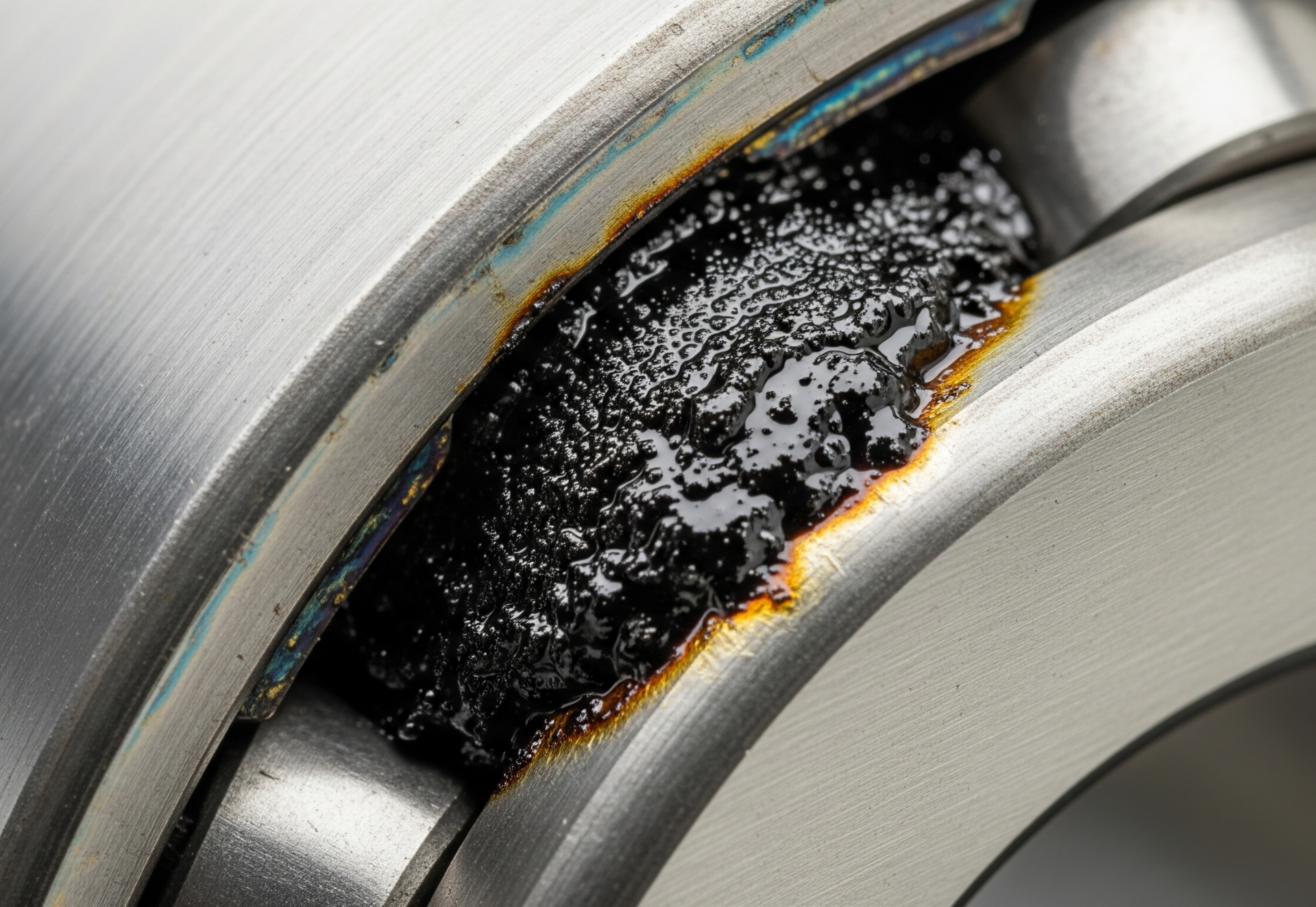
Close-up of a damaged ball bearing with deteriorated, black grease. Metal is visible around the grease.

The IAS Approach: Controlling Heat for Operational Excellence


This guide breaks down the root causes of hot air in industrial systems, explains precisely how it affects your critical equipment, details the early warning signs to watch for, and outlines the high-ROI fixes that Industrial Air Services (IAS) provides. By addressing the root cause of heat generation and containment, IAS helps plant managers and reliability engineers protect uptime, ensure peak performance, and realize significant, long-term energy savings.


1. Hot Air Is More Than a Temperature Issue: It’s an Operational Risk

Industrial compressors, dryers, blowers, and cooling systems are engineered to operate within a specific thermal envelope. Once your environment exceeds that limit, often 95°F+, you begin seeing:

  • Rising discharge temperatures
  • Oil oxidation
  • Overloading motors
  • Higher moisture load on dryers
  • Reduced air quality
  • Increased energy consumption

Heat is an efficiency killer. According to the U.S. Department of Energy, even moderate increases in temperature can drive 10–15% higher power consumption in compressed air systems due to increased workload and reduced thermal efficiency.

When heat accumulates inside a compressor room or enclosure, the system has to work harder just to maintain baseline performance. That unnecessary strain leads to a higher cost of ownership and premature equipment failure.

2. Root Causes of Hot Air in Industrial Systems

Hot air forms in your system for several reasons:


2.1 Poor Ventilation and Airflow

Many compressor rooms are small, sealed, or poorly ventilated. Without engineered airflow, heat continuously recirculates and compounds.


2.2 Undersized or Blocked Ducting

If hot air cannot be expelled efficiently, temperatures rise dramatically. This is common in older buildings or retrofitted compressor rooms.


2.3 High Ambient Temperatures

In Texas and other high-heat regions, summer temperatures can push compressor rooms beyond design limits. A 10°F increase in ambient temperature can cause a 2–3% efficiency loss.


2.4 Cooler or Heat Exchanger Fouling

Dust, oils, and particulates reduce cooling efficiency and trap heat inside the compressor.


2.5 Improper Equipment Placement

Compressors placed in tight corners, unventilated rooms, or areas with radiant heat sources compound thermal load.


2.6 Oversized or Overworked Equipment

A compressor running at or above 100% duty cycle generates excessive heat, often enough to overwhelm cooling systems.


3. How Hot Air Damages Compressors and Production

Heat doesn’t just cause discomfort; it directly threatens system stability and plant output.


3.1 Reduced Lubricant Life

High temperatures oxidize compressor oil faster, reducing film strength and increasing metal-on-metal wear.

Lubricant manufacturers note that oxidation doubles for every 18°F increase in oil temperature.


3.2 Increased Moisture Load on Dryers

Hot intake air holds more moisture. When your system runs hotter than designed, refrigerated and desiccant dryers are forced to work harder, often beyond capacity. You begin seeing:

  • Moisture in the air lines
  • Corrosion
  • Reduced product quality
  • Instrumentation failure

3.3 Higher Energy Consumption

Heat reduces overall compression efficiency. The hotter the air, the more energy your system consumes to deliver the same output.


3.4 Pressure Drop Issues

Thermal expansion and overworked equipment introduce pressure instability and fluctuations that damage tools and processes.


3.5 Frequent Shutdowns

High-temp alarms, VFD derating, and thermal overloads begin to appear. These shutdowns are safety measures, but they cost production hours.


3.6 Shortened Equipment Life

According to CAGI (Compressed Air & Gas Institute), elevated heat reduces compressor lifespan significantly.
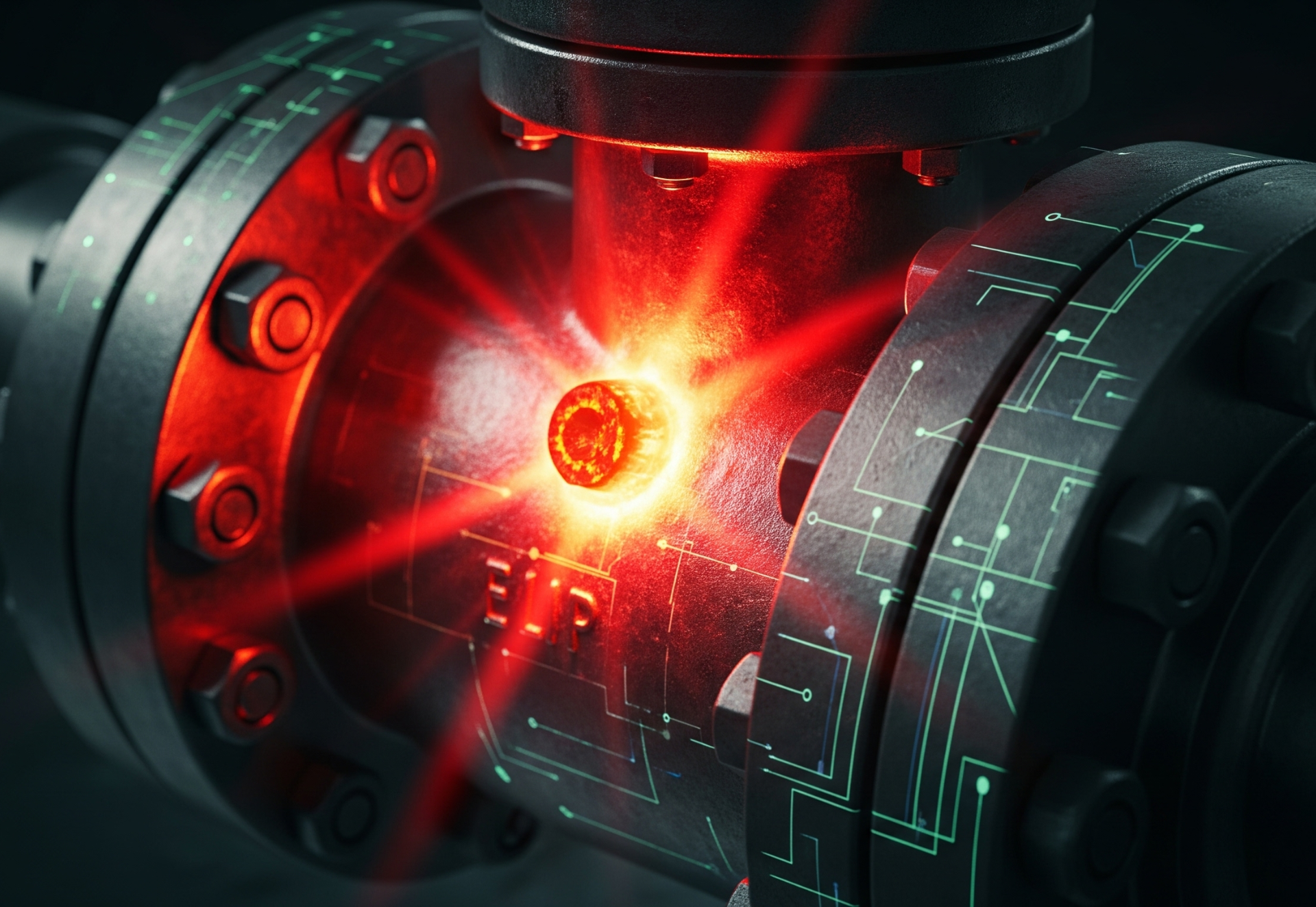
Close-up of industrial equipment with glowing red light emanating from the center. Digital lines overlay the structure.

4. Warning Signs of Heat Buildup in Your Compressor Room

If you notice any of the following, it’s time to schedule an assessment:

  • Discharge temperatures consistently above 200–220°F
  • Oil discoloration
  • Dryer high-temp alarms
  • Moisture carryover
  • Elevated energy bills
  • Strong, warm airflow from machines
  • Increasing pressure drops
  • VFDs derating
  • Compressor cycling rapidly

These are all precursors to significant system failure.


5. How to Reduce Hot Air in Your Compressed Air System

Addressing and mitigating excessive heat within a compressed air system is paramount for optimizing efficiency, extending equipment lifespan, and ensuring maximum operational uptime. This is not a simple task but requires a well-thought-out, strategic, and engineered approach that tackles the root causes of the heat buildup. High operating temperatures are not merely an inconvenience; they can lead to premature component failure, degraded lubricant quality, and diminished air quality due to moisture and vapor saturation.


Below are proven, high-Return on Investment (ROI) solutions that Industrial Air Systems (IAS) designs, integrates, and installs, specifically engineered to manage and control thermal load within your industrial compressed air infrastructure:


5.1. Optimize Ventilation and Cooling Air Management


The most direct solution is to improve the environment around the compressor.


  • Ducting and Heat Exhaust: Install and properly size ducting to capture the hot air discharge from the compressor and vent it directly outside the building or to an area where the heat can be repurposed (e.g., for space heating in winter). This prevents the hot air from being re-ingested by the compressor's intake, which dramatically reduces the discharge temperature.
  • Ambient Air Intake: Ensure the compressor draws in the coolest possible ambient air. Moving the intake point to an external, shaded area or installing a dedicated fresh air intake can significantly lower the initial compression temperature, as every 5°F reduction in intake temperature can lead to a 1% reduction in energy consumption.
  • Louvers and Fans: Install thermostatically controlled louvers and high-capacity exhaust fans in the compressor room to maintain a consistently cool ambient temperature, preventing heat stratification and stagnant hot air pockets.


5.2. Enhance Aftercooling and Intercooling


The core function of these components is heat removal after compression.


  • Maintain Cooler Efficiency: Regularly clean and inspect the intercooler (between compression stages) and the aftercooler (post-compression). Fouling from oil, dust, or mineral deposits on the heat exchange surfaces drastically reduces thermal transfer efficiency.
  • Cooling Medium Quality:
  • Air-Cooled Systems: Ensure the cooling fan is operating correctly and the cooling fins are free of dust and debris.
  • Water-Cooled Systems: Monitor the quality and temperature of the cooling water. Hard water can lead to scale buildup (fouling), and warm cooling water can reduce the aftercooler's ability to lower the air temperature to the required dew point. Consider installing a dedicated closed-loop chiller system or a filtration system to maintain water quality.

5.3. Implement Heat Recovery Systems (HRS)


Turning a heat problem into an energy solution offers the highest ROI.

  • Air-to-Air or Air-to-Water Exchange: Utilize a heat recovery ventilation system to capture the waste heat from the compressor. This heat—which can account for 80-95% of the total electrical energy input—can be used to pre-heat boiler feedwater, supply hot water for wash-down stations, or provide supplemental space heating for the facility during colder months.


5.4. Ensure Proper Lubricant Management


Lubricant breakdown is both a symptom and a cause of overheating.


  • Use High-Quality Synthetic Lubricants: Synthetic oils maintain stability and lubricating properties at higher temperatures than mineral-based oils. Using the manufacturer-specified, high-performance synthetic fluid is critical for proper cooling and protection.
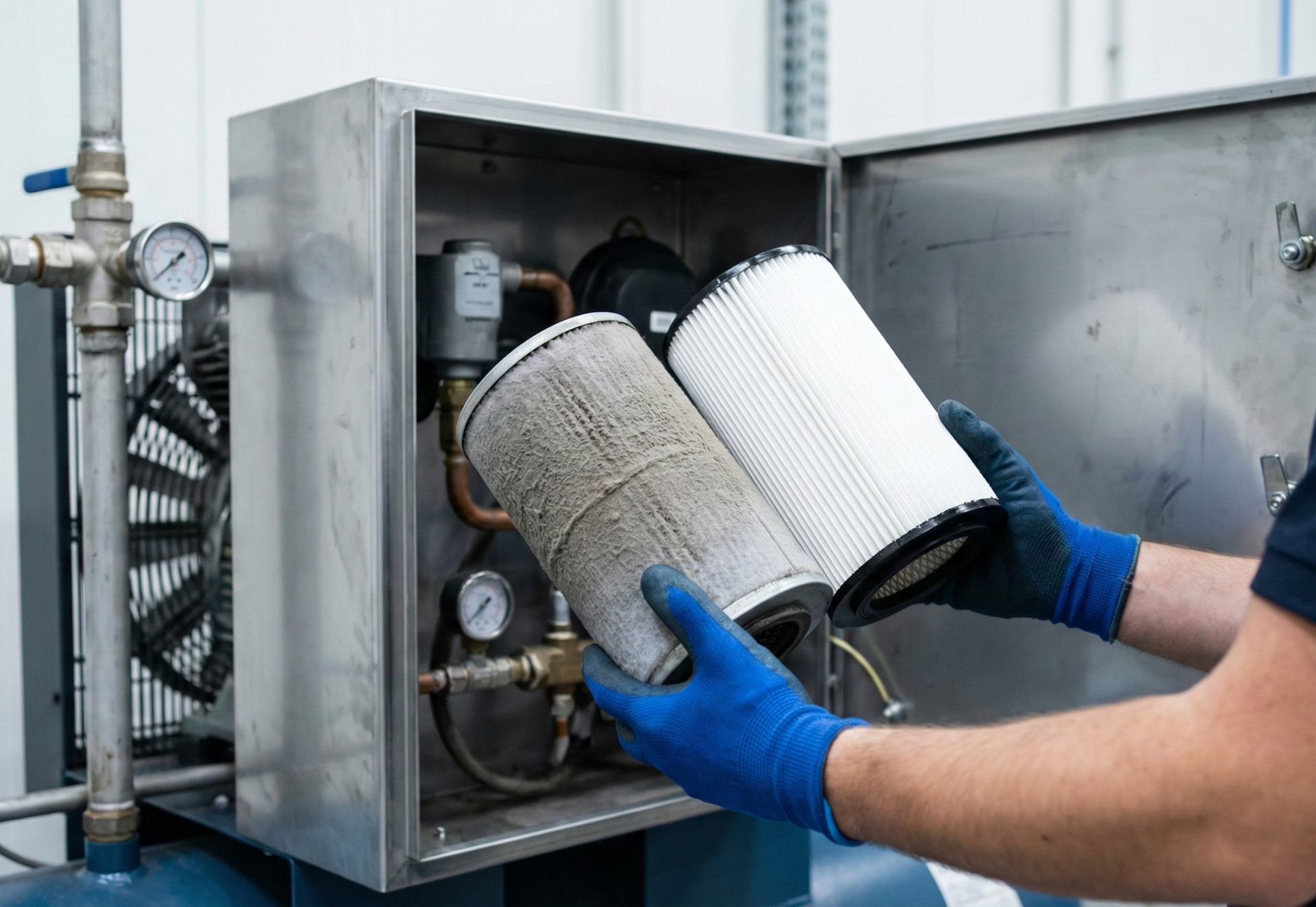
  • Regular Oil Changes and Filter Maintenance: Aged, oxidized oil loses its ability to dissipate heat effectively. Regularly scheduled oil and oil filter changes are essential to remove contaminants and maintain the fluid's thermal properties.


5.5. Control and Monitoring


Advanced monitoring allows for proactive intervention rather than reactive repair.


  • Temperature and Pressure Monitoring: Install digital sensors and a supervisory control system to continuously track discharge temperature, intercooler temperature, and ambient room temperature.
  • Alarm Settings: Configure the system to trigger alarms when temperatures approach critical limits, allowing operators to investigate and correct ventilation or cooling issues before a thermal shutdown occurs. This proactive approach significantly enhances system reliability and maximizes uptime.


5.6 Improve Ventilation and Airflow

Engineered ventilation ensures cool intake air and efficient hot air removal. This may include:


  • Fresh air intake ducting
  • Exhaust ducting
  • Louvers and dampers
  • Wall-mounted ventilation fans
  • Temperature-controlled exhaust systems

Proper design prevents hot air recirculation, the most common cause of overheating.


5.2 Upgrade Cooling Systems

IAS provides:

  • Enhanced aftercoolers
  • High-efficiency coolers
  • Duct-mounted exhaust fans
  • Air-to-air heat exchangers

These upgrades reduce discharge temperature and stabilize compressor performance.


5.3 Install Heat Recovery Systems

Redirecting compressor exhaust heat can:

  • Warm warehouse spaces
  • Preheat process water
  • Reduce facility heating costs

This converts unwanted heat into usable energy, improving ROI.


5.4 Clean and Maintain Coolers

Regular cooler cleaning ensures maximum thermal exchange. Fouled coolers increase temperatures by up to 20–30°F, accelerating compressor stress.


5.5 Upgrade Dryers and Filtration

High ambient temperatures require:


  • Oversized dryers
  • High-temp compatible refrigerants
  • Desiccant dryers with aftercoolers
  • Proper filtration sequences

IAS evaluates your air quality needs and configures the right system.


5.6 Conduct a Thermal Load Assessment

This identifies:

  • Heat sources
  • Recirculation paths
  • Ventilation inefficiencies
  • Ducting restrictions
  • Cooling capacity gaps

IAS provides on-site diagnostics backed by technical heat mapping.
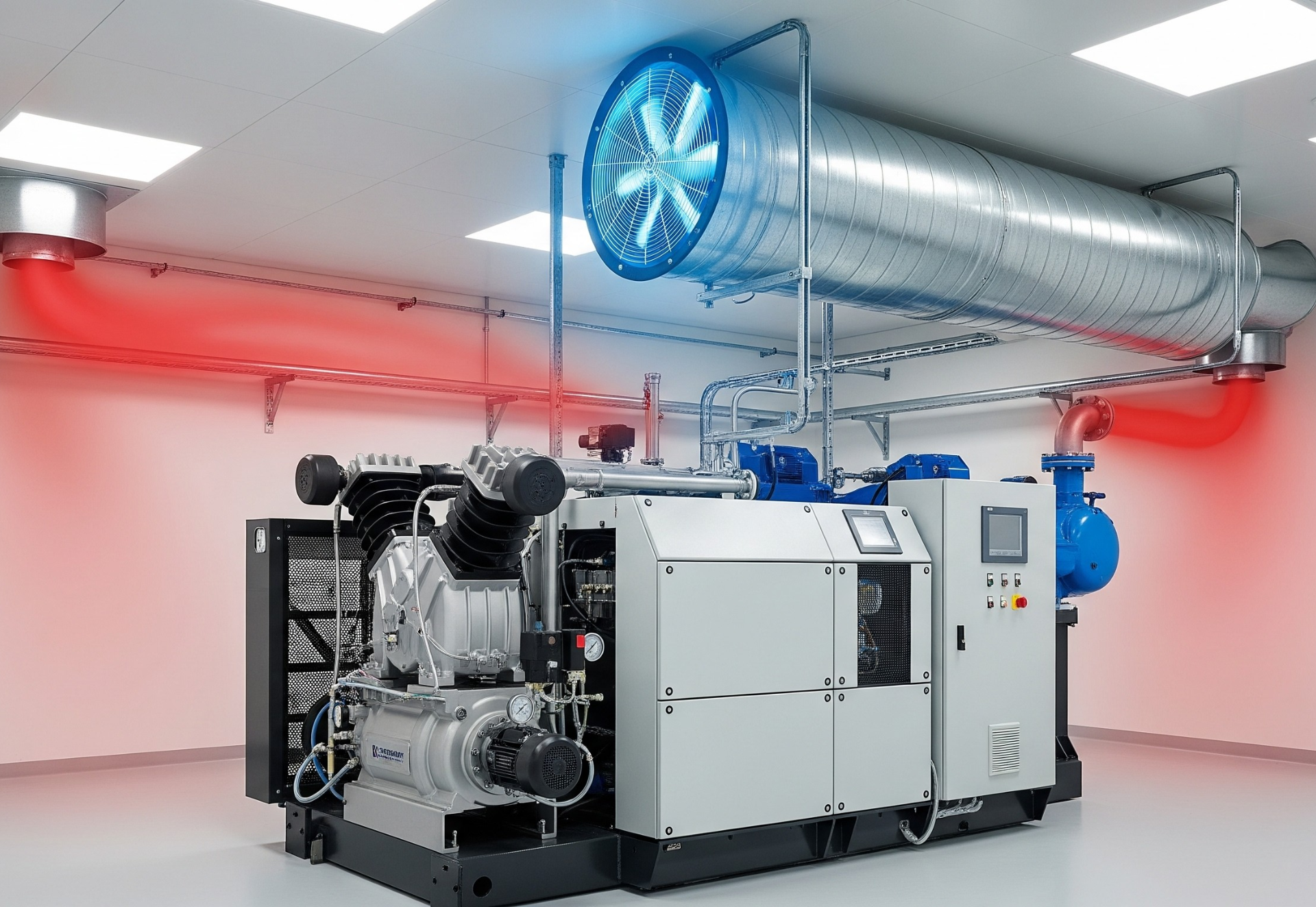
Industrial machine with a ventilation system; red and blue airflow, metallic ductwork.

6. IAS Heat Management Services: Your Long-Term Reliability Partner

Industrial Air Services supports your plant with engineered solutions that protect equipment, reduce energy waste, and maximise uptime.


IAS Capabilities Include:


  • Compressor room ventilation design
  • Hot air ducting installation
  • Thermal load analysis
  • Dryer and filtration upgrades
  • Full air system engineering
  • Preventive maintenance programs
  • Emergency service and repair
  • Heat recovery system installation

Every solution is customised to your facility, not generic, not guesswork, just engineered reliability.


7. When to Call IAS


If your facility experiences:


  • High-temp alarms
  • Rapid cycling
  • Moisture in lines
  • Pressure instability
  • Frequent service shutdowns

  • Rising energy consumption
  • Hot compressor room environments

Then your system is no longer operating within safe or efficient parameters.

This is the point where IAS steps in, conducts a full assessment, and implements a long-term cooling and airflow solution that protects your production.


Protect Your Equipment. Improve Your Efficiency. Contact IAS Today.


For engineered ventilation, upgraded cooling solutions, and reliable compressed air performance, connect with Industrial Air Services.


Explore our services: https://iastx.com/
Reque
st a system assessment: https://iastx.com/
Talk to a specialist:
https://iastx.com/


IAS supports manufacturing, food and beverage, automotive, plastics, aerospace, and commercial facilities across Texas with engineered air solutions that put uptime first.


Frequently Asked Questions


1. What is the function of hot air?

Hot air plays a functional role in industrial systems by helping move heat away from high-load equipment like compressors, motors, and dryers. However, when hot air isn’t properly ventilated or managed, it becomes a performance risk, causing overheating, moisture problems, and unexpected shutdowns. This is why engineered airflow is critical.
Industrial Air Services (IAS) provides professional ventilation design, hot-air ducting, and cooling solutions to help facilities control heat, stabilise performance, and prevent equipment failure.


Learn more:
https://www.iastx.com/

2. How does hot air flow?

Hot air naturally rises because it is less dense than cooler air. In an industrial setting, the flow path of hot air depends on ventilation design, ductwork, room layout, and equipment placement. If hot air recirculates, meaning it cannot escape, it gets trapped inside the compressor room and pushes temperatures beyond safe operating limits.
IAS engineers airflow paths using proper intake and exhaust ducting, fresh air solutions, and temperature-controlled ventilation systems to ensure hot air is removed efficiently and never recirculates into your equipment.


Get assistance:
https://www.iastx.com/

3. Is hot air heavy or light?

Hot air is lighter than cool air because heat reduces air density. This is why hot air rises and accumulates near ceiling levels or inside poorly ventilated rooms. In compressor rooms, rising hot air that isn’t exhausted properly leads to the heat stacking effect, raising ambient temperatures and stressing equipment.
IAS solves this problem by designing ventilation systems that capture rising heat, remove it from the room, and maintain safe temperature levels for compressors, dryers, and air systems.


Protect your equipment:
https://www.iastx.com/

By Andrew Harris December 4, 2025
In industrial environments, every component in an air or vacuum system, no matter how small, has a direct impact on performance, efficiency, energy consumption, and long-term reliability. While compressors and vacuum pumps often get the spotlight, the real secret to system uptime lies in the accessories supporting them. Filters, regulators, hoses, fittings, gauges, dryers, and valves serve as the backbone that keeps operations running smoothly.  When accessories are low-quality, mismatched, or poorly maintained, businesses experience symptoms like pressure drops, excess moisture, contamination, inconsistent vacuum levels, and premature equipment failure. But when properly selected and maintained, the right accessories can extend equipment lifespan by years, reduce energy waste, and improve overall system stability. In this guide, we break down the essential industrial accessories every operation should consider, why they matter, and how choosing the right ones positions your equipment for maximum uptime and ROI.
By Andrew Harris December 4, 2025
Medical equipment is the backbone of modern healthcare. From diagnostic imaging machines to medical air compressors powering life-support tools, every device plays a critical role in protecting patient safety and supporting clinical efficiency. When equipment fails, the cost isn’t just operational; it affects care quality, compliance, and ultimately, lives. For hospitals, clinics, laboratories, and surgical centers, choosing the right medical equipment and ensuring that the supporting systems are maintained to regulatory standards isn’t optional. It’s a fundamental requirement for patient outcomes, regulatory compliance, and uptime. In this guide, we break down the major categories of medical equipment, the essential standards facilities must meet, and why reliable medical air and vacuum systems are central to a safe healthcare environment. What Counts as Medical Equipment? A Breakdown of the Core Categories Healthcare facilities use hundreds of specialized tools, but all devices fall into several major categories. Understanding these helps administrators and clinical engineers build a more resilient equipment strategy. 1. Diagnostic Equipment Diagnostic tools help clinicians identify diseases and conditions quickly and accurately. Examples: X-ray machines MRI and CT scanners Ultrasound systems Electrocardiograms (ECG) Medical laboratory analyzers Reference: Cleveland Clinic overview of diagnostic technology These tools depend heavily on consistent power, stable air supply, and tightly controlled environmental conditions. 2. Therapeutic Equipment Devices that support treatment or recovery. Examples: Infusion pumps Dialysis machines Nebulizers Physical therapy devices Ventilators Ventilators and respiratory therapy machines rely on clean, dry, medical-grade air , a core system where facility infrastructure matters. 3. Monitoring Equipment These devices provide continuous visibility into a patient’s condition. Examples: Patient monitors (ECG, SpO2, BP) Fetal monitoring systems ICU vital signs monitors Wearable medical monitoring devices In critical care, monitoring accuracy can determine life-or-death decisions; reliable power and medical gas support are essential. 4. Life-Support Equipment Devices that sustain essential bodily functions. Examples: Anesthesia machines Ventilators Cardiac life-support devices Medical air and oxygen delivery systems These systems rely on uninterrupted airflow, fault-free vacuum performance, and redundancy , areas where Industrial Air Services provides critical support. 5. Surgical & Procedural Equipment Includes general and minimally invasive surgical instruments, operating tables, and sterilization systems. Sterile processing equipment, such as autoclaves, depends on proper vacuum and pressure systems for effective sterilization. Reference: CDC sterile processing guidelines
By Andrew Harris December 4, 2025
Vacuum pumps are the unsung workhorses behind modern manufacturing. Whether you’re pulling air out of a sealed environment, supporting pneumatic conveying, powering material handling, or ensuring clean, dependable vacuum in specialty applications, the right vacuum system keeps operations moving, and the wrong one becomes a primary source of downtime, inefficiency, and lost revenue. In a world where production schedules are tight and uptime is non-negotiable, engineers and facility managers are now more critical than ever about selecting vacuum pumps built for long-term performance. This guide breaks down the fundamentals of vacuum systems, the key specs that matter, and the engineering-level considerations behind choosing a pump that fits your workflow, not just for today, but for the next decade of operation. What Exactly Is a Vacuum Pump? A Quick Technical Breakdown 
Industrial equipment with a screen displaying a real-time power demand graph. The equipment is blue and silver.
By Andrew Harris November 25, 2025
A clear guide to air compressors, types, uses, sizing, and maintenance. Learn how IAS helps you choose, install, and maintain the best compressed air system for your facility.
Man in gray work clothes repairs machinery in a factory. He wears gloves and uses a tool.
By Andrew Harris November 25, 2025
Learn what to look for in an industrial equipment sales and service provider. From product selection to lifecycle support, IAS delivers reliable solutions engineered for performance and long-term value.
By Andrew Harris November 19, 2025
Houston isn’t just another industrial city; it’s the beating heart of American manufacturing, petrochemical processing, energy production, and large-scale fabrication. Every day, thousands of facilities across Houston rely on industrial air compressors to keep production lines running, power pneumatic systems, support automation, and ensure safe operations. But despite their importance, many decision-makers still treat compressors like interchangeable equipment. They look at horsepower, CFM, or price, and assume that’s enough to choose a system that will support long-term uptime. At Industrial Air Services IAS, after years of servicing compressed air systems across Texas, we’ve learned one truth: In Houston’s harsh, high-demand environment, the right compressor is engineered, not simply purchased. Heat, humidity, long duty cycles, and high dust loads push compressors harder here than in most parts of the U.S. Choosing the wrong manufacturer or failing to engineer the system properly leads to: overheating premature bearing failure moisture flooding oil contamination capacity loss skyrocketing energy consumption and catastrophic downtime This blog breaks down what Houston facilities should look for when choosing an industrial air compressor manufacturer, backed by engineering insights, research, and real field experience.
By Andrew Harris November 19, 2025
Walk into any industrial facility and you’ll see compressed air everywhere, powering tools, driving automation, cleaning product lines, supporting packaging equipment, or keeping pneumatic systems moving with precision. But what makes compressed air usable isn’t the compressor. And it isn’t the storage tank. It’s something far more overlooked: The air dryer. In Texas facilities, especially those operating in high-humidity or heat-heavy environments, moisture becomes a silent saboteur. If not removed properly, water vapor infiltrates every corner of the compressed air system, corroding piping, ruining valves, sticking actuators, contaminating products, and forcing compressors to work harder than designed. That’s why partnering with a certified Zeks air dryer distributor isn’t just about product availability. It’s about protecting uptime, extending equipment life, and ensuring your compressed air system meets the quality standards your facility depends on. At IndustrialAir Services IAS, we see the consequences of improper drying every week. Flooded lines. Failed pneumatic actuators. Saturated filters. Rust-filled piping. And behind almost every failure is the same root cause: an air dryer system that wasn’t sized correctly, maintained properly, or designed with real-world Texas conditions in mind. This blog cuts through the noise and gives you a clear, engineering-backed guide to Zek's air dryers and why working with a certified distributor makes the difference between a reliable air system and one constantly fighting moisture-related downtime.
By Andrew Harris November 19, 2025
Walk into any industrial facility in Texas, from the vast petrochemical complexes lining the Houston Ship Channel to the high-speed food processors and pharmaceutical manufacturers in San Antonio and Dallas, and you’ll hear it long before you see it: the steady, powerful hum of machinery that keeps the entire plant breathing, productive, and safe. But behind that constant, reassuring sound is an unsung, mission-critical workhorse. It is not the headline-grabbing compressors that pressurize the systems. It is not the massive pumps that move fluids. It is the industrial blower . The industrial blower is the quiet engine of air movement and process stability. Its function is far more vital than simply "moving air." It is the system responsible for creating necessary vacuums, providing combustion air to burners, conveying lightweight materials, regulating critical process temperatures, removing hazardous fumes and volatile organic compounds (VOCs), stabilizing pressure, and filtering out abrasive dust and particulate matter. In essence, it is the environmental and operational regulator, ensuring the bigger, more complex machines can run continuously without overheating, choking on contaminants, or failing due to an imbalance in air flow or pressure. And nowhere is this role more crucial than in a state like Texas. Here, the unique confluence of high ambient temperatures, relentless dust storms, proximity to the coast (bringing humidity and corrosive elements), and the demanding, 24/7 production schedules of energy and manufacturing sectors can punish equipment mercilessly. In this environment, your blower isn’t just a component in a larger system; it is the guardian of uptime. A failure in this single piece of machinery can trigger a cascading shutdown, impacting everything from safety compliance to production quotas. At TNT Industrial, we've accumulated decades of field experience observing the consequences of poorly managed air systems. We’ve seen firsthand what happens when a blower is undersized for a high-temperature application, installed with inadequate vibration isolation, or pushed beyond its defined performance envelope in a corrosive atmosphere. The immediate and long-term cost is astronomical: it’s not just a few hours of downtime, but significant lost output, catastrophic damage to expensive ancillary equipment (like motors and filtration units), and safety risks, including the potential for combustible dust ignition, that ripple through the entire facility’s risk profile. This blog is designed to be a grounded, engineering-backed resource for Texas facilities managers and engineers. It offers a comprehensive guide to selecting, sizing, and maintaining the right industrial blower system, be it a centrifugal, positive displacement, or regenerative model. This advice is built on practical insights derived from rigorous industry research, successful installations across the state, and, perhaps most importantly, real-world equipment failures that taught us the most valuable, and often painful, lessons about efficiency, power, and long-term reliability.
By Andrew Harris November 10, 2025
Why Texas Industries Depends on Reliable Air Compressors  From the vast oil fields spanning West Texas to the bustling factories of Houston, the intricate auto shops in Dallas, and the critical food processing facilities throughout the state, compressed air is the hidden force that keeps Texas industries running. It's an indispensable utility, often overlooked but absolutely vital to the productivity and efficiency of countless operations. A single, well-maintained air compressor can be the backbone of an entire manufacturing line, powering advanced assembly lines, automating a wide array of tools from pneumatic wrenches to paint sprayers, and significantly improving overall energy efficiency by optimizing various industrial processes. However, the moment an air compressor fails, the ripple effect can be catastrophic. Productivity grinds to a halt, deadlines are missed, and financial losses mount. This makes working with a trusted Texas air compressor company not just a convenience, but a critical strategic imperative for any business relying on compressed air. At Industrial Air of South Texas or Industrial Air Services , we understand the unique and demanding requirements of Texas industries. We are dedicated to providing comprehensive and robust solutions, offering custom air compressor systems, proactive maintenance programs, and cutting-edge energy-efficient solutions specifically engineered and built to withstand the rigorous demands of the Texas industrial landscape. Our expertise ensures that your operations remain powered, productive, and profitable, day in and day out.
By Andrew Harris November 10, 2025
The Logo That Stands for Legacy In the industrial world, a logo isn’t just a design; it’s a promise. The Bauer Compressor logo represents more than seven decades of German engineering, quality, and reliability. For professionals in Texas and beyond , seeing the Bauer logo means one thing: uncompromising air power built to perform under pressure. The Power Behind the Bauer Compressor Logo: A Symbol of Innovation, Precision, and Trust Logo That Stands for Legacy In the industrial world, a logo isn’t just a design; it’s a promise. The Bauer Compressor logo represents more than seven decades of German engineering, quality, and reliability . This iconic emblem has become synonymous with a commitment to excellence, a testament to the brand's enduring legacy in the demanding field of compressed air technology. For professionals in Texas and beyond , seeing the Bauer logo means one thing: uncompromising air power built to perform under pressure. It signifies a product crafted with meticulous attention to detail, utilizing advanced German engineering principles that have been refined and perfected over generations. This isn't just about delivering compressed air; it's about delivering a solution that professionals can depend on, day in and day out, in the most challenging environments. The trust placed in the Bauer Compressor logo stems from a long history of innovation. From its humble beginnings, the company has consistently pushed the boundaries of what's possible in compressor technology, introducing advancements that have set industry standards. This dedication to continuous improvement ensures that every Bauer compressor, emblazoned with its distinctive logo, embodies the latest in technological prowess and operational efficiency. Furthermore, the Bauer logo is a symbol of precision. Each component, from the smallest valve to the most robust housing, is engineered and manufactured to exacting tolerances. This precision is not merely a manufacturing ideal; it translates directly into the reliability and longevity of every Bauer unit. When faced with critical applications where failure is not an option, the Bauer logo assures users of equipment designed to perform flawlessly. In essence, the Bauer Compressor logo is far more than a simple brand mark. It encapsulates a rich heritage of engineering excellence, a steadfast commitment to quality, and an unwavering promise of reliability. It's a beacon for professionals seeking the best in compressed air solutions, signaling a product that is not just built, but meticulously crafted to deliver innovation, precision, and trust. Explore Bauer Compressor systems available in Texas A Brief History of Bauer Compressors Founded in 1946 in Munich, Germany, Bauer Compressors quickly became a world leader in high-pressure air and gas systems. Their products are trusted globally by:  Fire departments and first responders Commercial diving operations Industrial manufacturing facilities Defense and aerospace organizations Bauer’s U.S. division, Bauer Compressors Inc. , is headquartered in Virginia and serves as a hub for North American distribution, quality control, and engineering innovation.